Foz do Iguaçu: Educational Tourism Options for Families
Foz do Iguaçu, located in the Brazilian state of Paraná, offers a diverse range of educational tourism experiences for families, blending nature, science, technology, and culture. Beyond the iconic Iguaçu Falls, the city provides access to parks, reserves, and one of the world's largest hydroelectric power plants, all designed for family learning. Situated in the tri-national region bordering Brazil, Paraguay, and Argentina, Foz do Iguaçu concentrates attractions focused on environmental conservation, clean energy generation, aquatic biodiversity, and wildlife within a small geographic area. This allows for itineraries where each visit explores a different theme through guided tours, nature trails, and interactive exhibits.
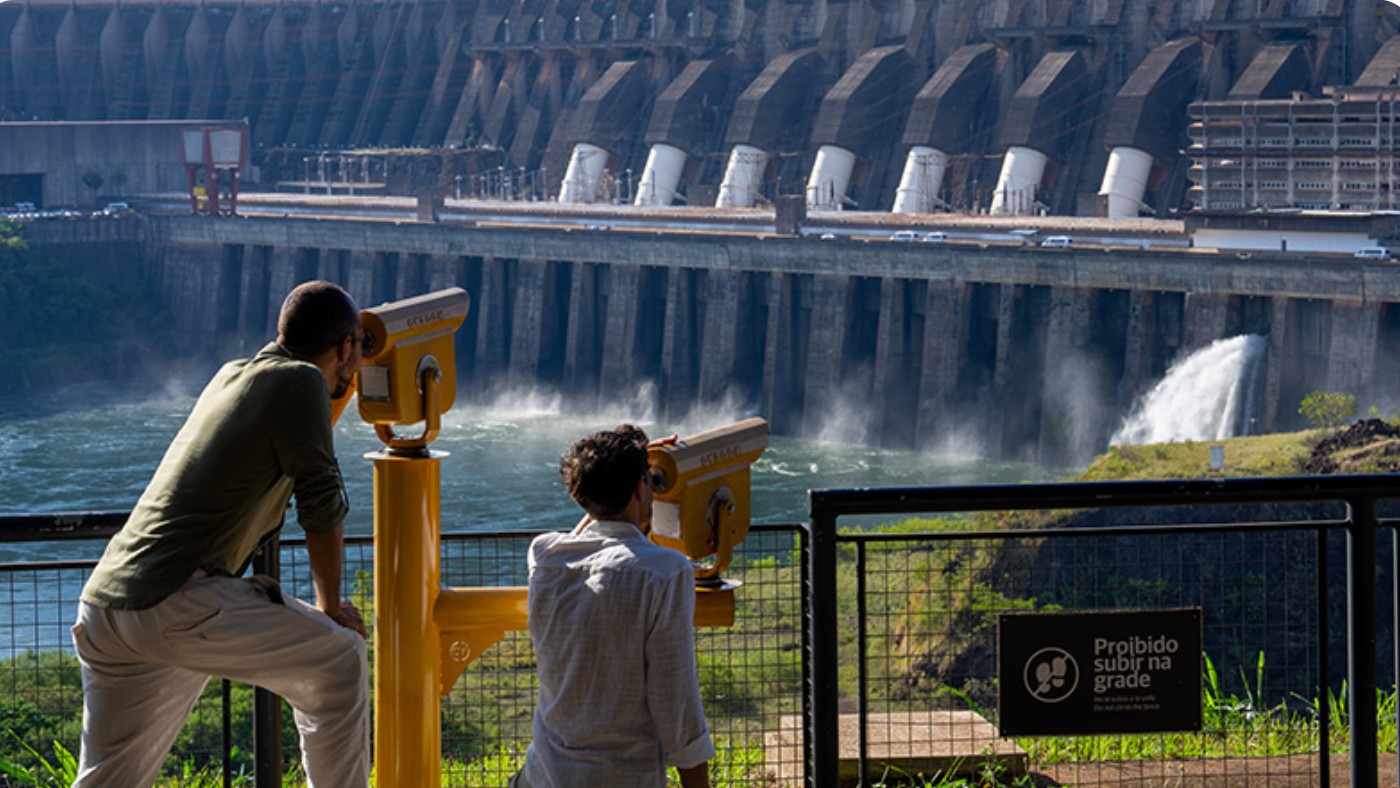
The Parque das Aves (Bird Park) serves as a cornerstone of educational tourism, featuring immersive aviaries that recreate the Atlantic Forest habitat, enabling close observation of species like toucans and macaws. The park also runs environmental education programs for children and participates in species reproduction and reintroduction projects. Itaipu Binacional, a massive hydroelectric complex, offers multiple educational experiences: the Bela Vista Biological Refuge for guided nature walks and fauna/flora conservation projects, the Ecomuseum detailing the plant's construction and regional archaeology, and a Panoramic Visit explaining the engineering behind electricity generation. AquaFoz, an aquarium, showcases biodiversity from the Iguaçu and Paraná rivers, highlighting the impact of human actions on aquatic ecosystems. Zoo Park Foz combines entertainment with learning about fauna, including a meliponary focused on native bees, a mini-farm, primate exhibits, and bird of prey presentations. Finally, the Marco das Três Fronteiras (Three Borders Landmark) explores the region's geography and culture, marking the meeting point of Brazil, Paraguay, and Argentina, and often featuring cultural performances that illustrate regional integration and diversity. A minimum of five days is recommended for a comprehensive visit, though shorter trips are possible with careful planning.
Foz do Iguaçu's strategy to promote educational tourism leverages its unique geographical and infrastructural assets, transforming natural wonders and large-scale engineering projects into learning opportunities. By integrating conservation initiatives, scientific explanations of energy production, and cultural exchanges, the destination aims to attract families seeking enriching experiences beyond typical leisure travel. This approach taps into growing parental interest in experiential learning and environmental awareness, positioning the city as a hub for both entertainment and education. The success of this model relies on sustained investment in interactive exhibits, expert-led tours, and ongoing conservation efforts, ensuring that the educational content remains relevant and engaging amidst evolving curricula and technological advancements. The destination's multi-faceted appeal, from biodiversity to engineering marvels, offers a robust framework for diversified tourism revenue and reinforces its significance as a regional educational resource.
AI-generated to prompt reflection — not editorial opinion, not advice, not a statement of fact. How this works.