Foz do Iguaçu Hit by Flooding and Fallen Tree After Intense Rainfall
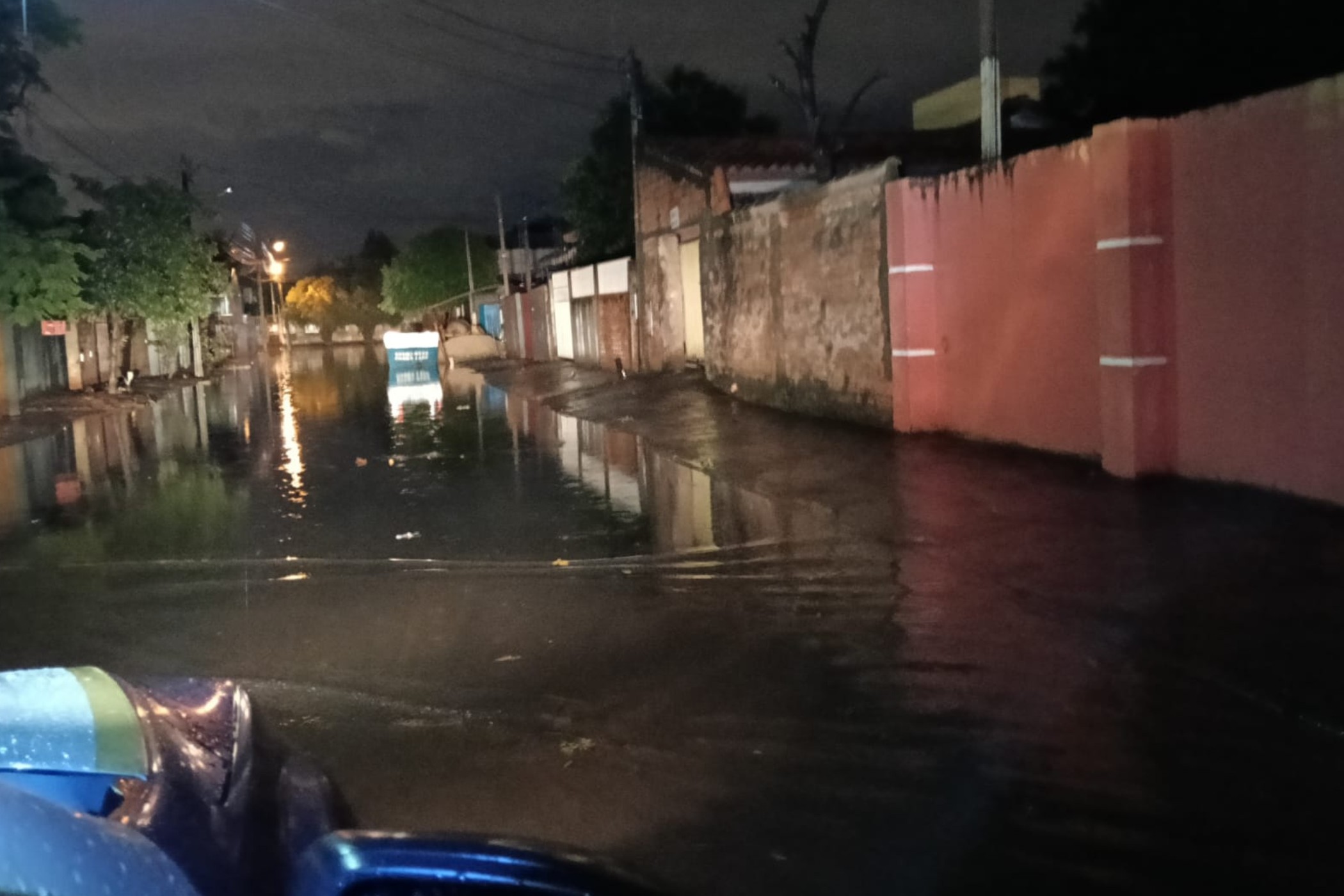
Intense rainfall between Tuesday night, March 21st, and Wednesday morning, March 22nd, caused widespread flooding and damage in Foz do Iguaçu, located in the western Paraná state of Brazil. The Civil Defense reported significant rainfall accumulations, with the northern region receiving up to 108 millimeters, the eastern region 85 mm, and the southern region 62 mm, according to data from Cemaden's automatic rain gauges. A notable incident involved a tree falling on Avenida Brasil, blocking the road and damaging a kiosk's roof. Emergency services cut down the tree and reopened the street. Fortunately, no residents were displaced or left homeless. The Civil Defense confirmed that floodwaters receded in critical areas by Wednesday morning. Flooding was observed in several locations, including Rua Profeta Elias, Jardim Evangélico; Av. Fiorino Brol x Rua Santa Catarina; Av. Irio Manganelli, Jardim Ipanema; Av. Silvio Américo Sasdelli, Jardim Lancaster; Rua Rio Claro x Rua Canasvieiras; and Av. Araucária, Vila Brás. Looking ahead, a cold front moving through Paraná is expected to lower temperatures and bring storms across the state on Wednesday, March 22nd. The System for Environmental Technology and Monitoring (Simepar) and the National Institute of Meteorology (Inmet) issued warnings for dangerous storms, predicting rainfall between 30-60 mm/h or 50-100 mm/day, strong winds of 60-100 km/h, and potential hail. Meteorologist Leonardo Furlan anticipates substantial rainfall throughout Paraná, possibly exceeding 80 mm in some inland areas due to predicted thunderstorms. Temperatures are expected to remain milder on Thursday, March 23rd, and Friday, March 24th, particularly in the mornings, with more pleasant afternoons but without the high temperatures seen recently.
The recent heavy rainfall and subsequent flooding in Foz do Iguaçu highlight the ongoing challenges of urban infrastructure resilience in the face of increasingly unpredictable weather patterns. While emergency services responded effectively to clear debris and manage immediate impacts, the recurring nature of such events suggests a need for proactive, long-term urban planning strategies. These strategies should consider enhanced drainage systems, green infrastructure integration, and updated building codes to mitigate risks associated with extreme weather. Furthermore, the meteorological warnings underscore the importance of robust early warning systems and public communication protocols to ensure community preparedness. As climate change intensifies, cities must invest in adaptive measures to safeguard populations and infrastructure against future hydrological extremes, balancing immediate response with strategic, forward-looking development.
AI-generated to prompt reflection — not editorial opinion, not advice, not a statement of fact. How this works.