Frédéric Dard's Daughter Kidnapped, Mirroring His Fictional Nightmare
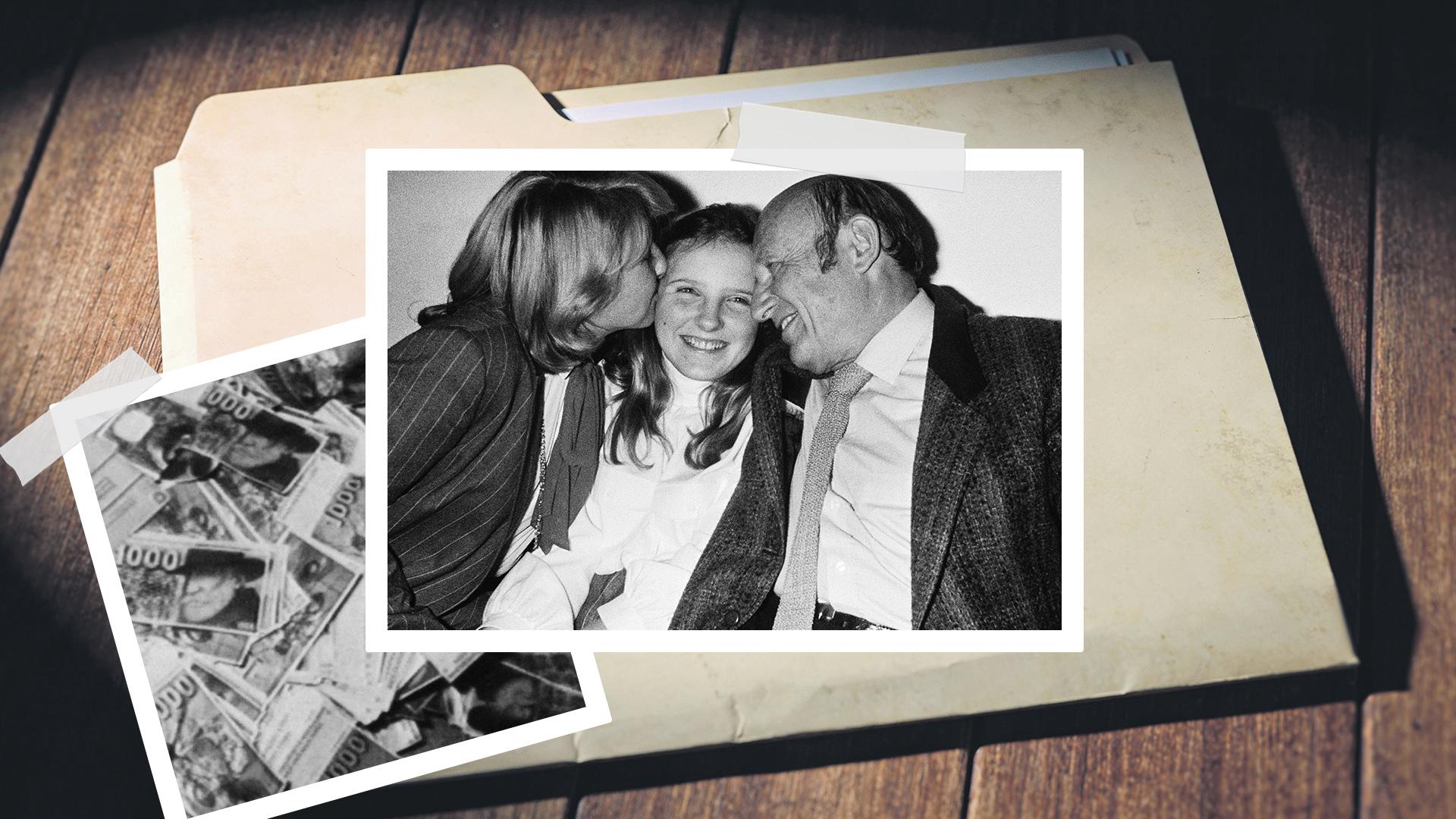
In March 1983, French author Frédéric Dard, known for his "San-Antonio" series, wrote a novel about the kidnapping of a teenage girl. Tragically, just days after completing this manuscript, his own 13-year-old daughter was abducted from her bedroom in Geneva. The event blurred the lines between Dard's fictional world and his personal reality, turning his literary creation into a terrifying lived experience. This incident marked a dark period for the celebrated crime writer, forcing him to confront a nightmare he had only previously imagined on paper. The story highlights a chilling convergence of fiction and reality, where the author's own narrative seemingly manifested in his life. The abduction of his daughter remains a stark reminder of how art can sometimes intersect with life in the most unexpected and devastating ways. This event deeply impacted Dard, forever linking his famous character's fictional struggles with his own personal tragedy.
This event presents a profound intersection of creative work and personal life, where a fictional narrative appears to have mirrored a real-life tragedy. While the coincidence is striking, it's crucial to analyze the psychological impact on the author and the public perception of such an event. The narrative framing emphasizes a 'nightmare' coming to life, which can be emotionally charged. Objectively, the situation underscores the potential for creative exploration of dark themes to resonate deeply, but it does not imply any causal link between writing about a subject and its occurrence. From a systemic perspective, it raises questions about how society processes and sensationalizes coincidences involving public figures and traumatic events. In the coming decade, as AI becomes more adept at generating and analyzing narratives, understanding the boundary between fictional representation and lived reality will become increasingly important for maintaining objective discourse and avoiding undue emotional influence.
AI-generated to prompt reflection — not editorial opinion, not advice, not a statement of fact. How this works.