Fragmented Majorities Hamper Governance Across the West
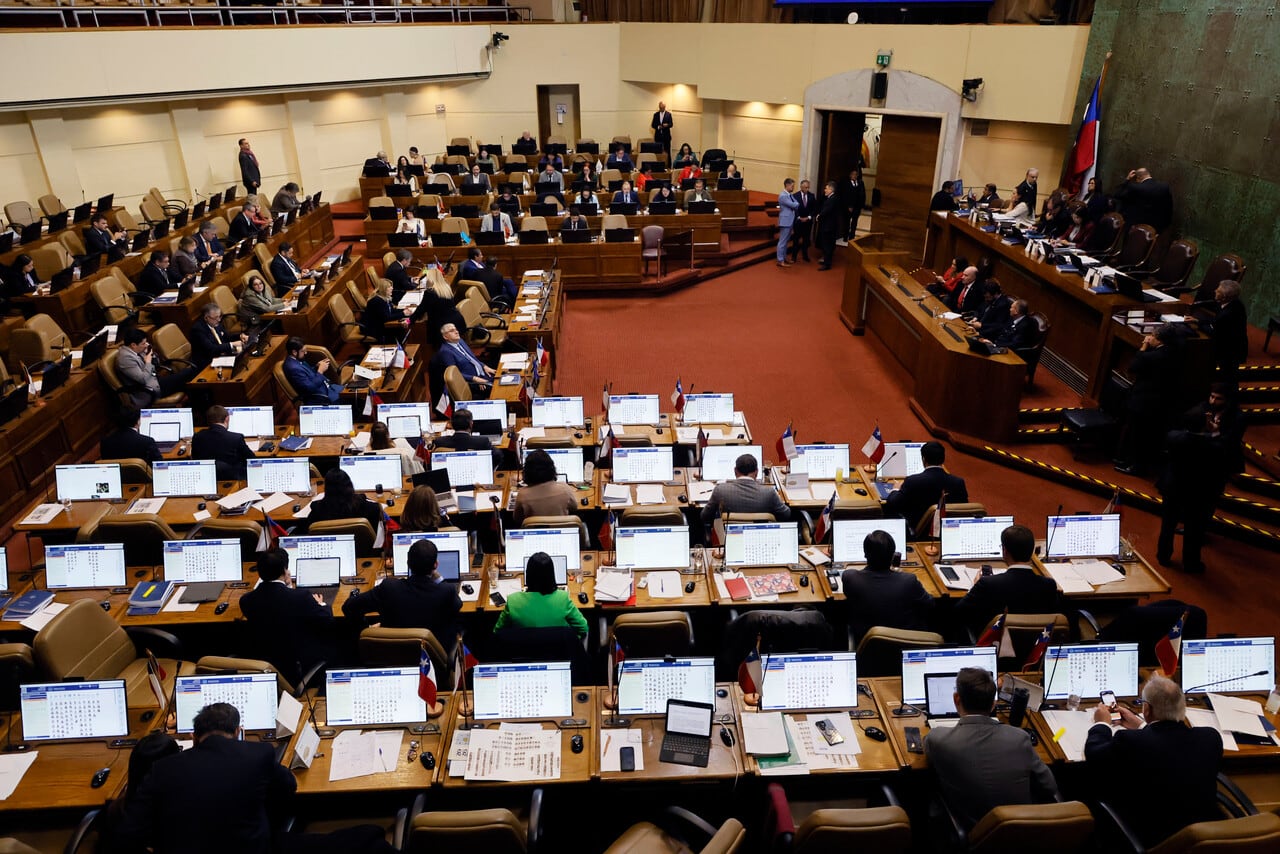
The challenge of translating electoral victories into governing majorities is a growing problem not only in Chile but across much of the Western world, where power fragmentation hinders effective governance. Political forces can achieve significant public support yet struggle to translate this into legislative power. This difficulty is compounded by the internal divisions within governing parties, a phenomenon observed during former Chilean President Piñera's second term when some pro-government parliamentarians supported pension withdrawals, despite their negative economic consequences. Governments often opt for narrow decision-making circles, with some leaders prioritizing maintaining a moderate approval rating for a potential return to power over building stable, broad coalitions. The art of negotiation has declined among many elites, raising questions about the sustainability of this approach and the urgency of addressing Chile's structural political issues. Electoral reforms to combat party fragmentation and an outdated administrative system are long overdue. Parliamentarians have limited incentives to enact reforms that would raise entry and permanence requirements for Congress, while governments, constrained by four-year terms, are tempted to expedite their agendas quickly. This short-term focus, described as 'bread for today, hunger for tomorrow,' can lead to strategic defeats stemming from tactical victories. Effective governance requires managing inherent tensions, balancing present needs with future implications, challenging one's own political base, designing institutions that consider the possibility of an adversary winning, and reconciling short-term and long-term objectives. Recognizing that differing viewpoints do not equate to enmity is crucial. Strengthening institutions that reward cooperation over fragmentation is essential to differentiate between electoral success and the actual capacity to govern, a distinction that leaders must grasp.
The article highlights a systemic challenge in contemporary democracies: the disconnect between popular electoral mandates and the ability to enact policy, exacerbated by political fragmentation. This phenomenon suggests that electoral systems and party structures may be misaligned with the demands of effective governance in an era of diverse public opinion. The author implicitly critiques a political incentive structure where short-term electoral gains or maintaining a base may be prioritized over long-term coalition building and compromise. Looking ahead, the increasing influence of digital platforms could further atomize political discourse, potentially intensifying this governance deficit unless institutional reforms are proactively pursued. The core issue appears to be a failure to adapt governance frameworks to evolving societal and political dynamics, necessitating a re-evaluation of electoral rules and parliamentary incentives to foster cooperation and stability.
AI-generated to prompt reflection — not editorial opinion, not advice, not a statement of fact. How this works.