François Hollande Reportedly Preparing for 2027 French Presidential Election
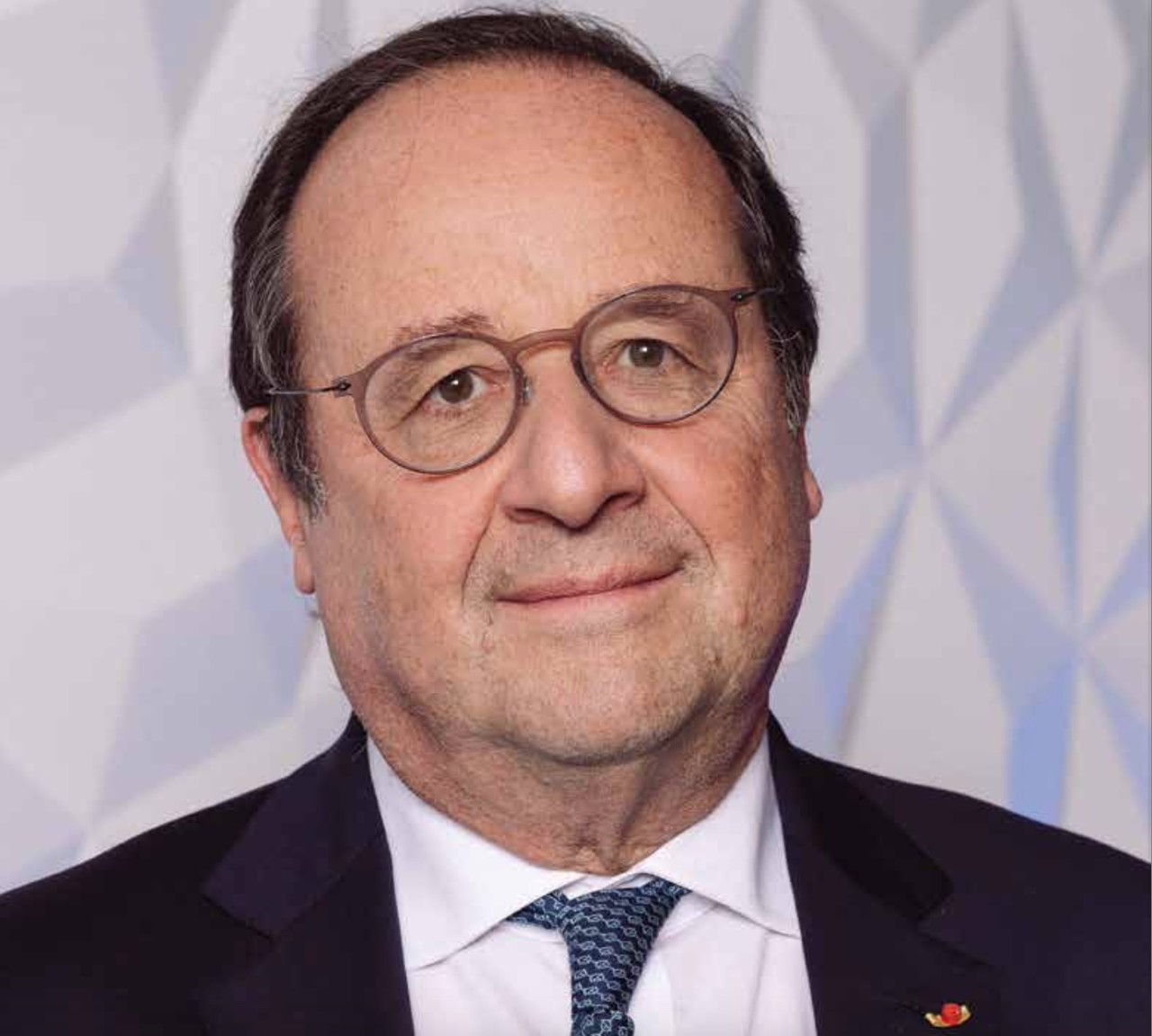
Former French President François Hollande is reportedly making methodical preparations for a potential candidacy in the 2027 presidential election. While he has not officially announced his intentions, his actions suggest a deliberate move towards re-entering the political arena. Hollande's potential bid comes at a time of significant political flux in France, with established parties facing challenges and new political dynamics emerging. His previous presidency, from 2012 to 2017, was marked by economic reforms and responses to international crises. The current political landscape in France is complex, with various factions and potential candidates vying for attention ahead of the next electoral cycle. Hollande's potential return could reshape the existing political alignments and introduce a new dimension to the upcoming presidential race. His supporters might see this as an opportunity to bring back experienced leadership, while critics may question the timing and relevance of his potential candidacy given the evolving political environment. The discreet nature of his preparations indicates a strategic approach to building support and navigating the early stages of a potential campaign.
François Hollande's reported preparations for the 2027 French presidential election highlight the enduring influence of established political figures in dynamic democratic systems. This situation presents a systemic tension between the desire for continuity and experience, and the demand for fresh perspectives and generational change. From a governance perspective, the potential re-emergence of a former head of state raises questions about party renewal and the adaptability of political structures to evolving societal expectations. The strategic discretion surrounding his potential bid suggests an awareness of the complex incentive structures within French politics, where early declarations can be both advantageous and detrimental. Evaluating such moves requires considering the long-term implications for political discourse and the potential impact on voter engagement in an era increasingly shaped by digital communication and shifting ideological landscapes.
AI-generated to prompt reflection — not editorial opinion, not advice, not a statement of fact. How this works.