France 2's Electric Car Report Criticized for Flaws
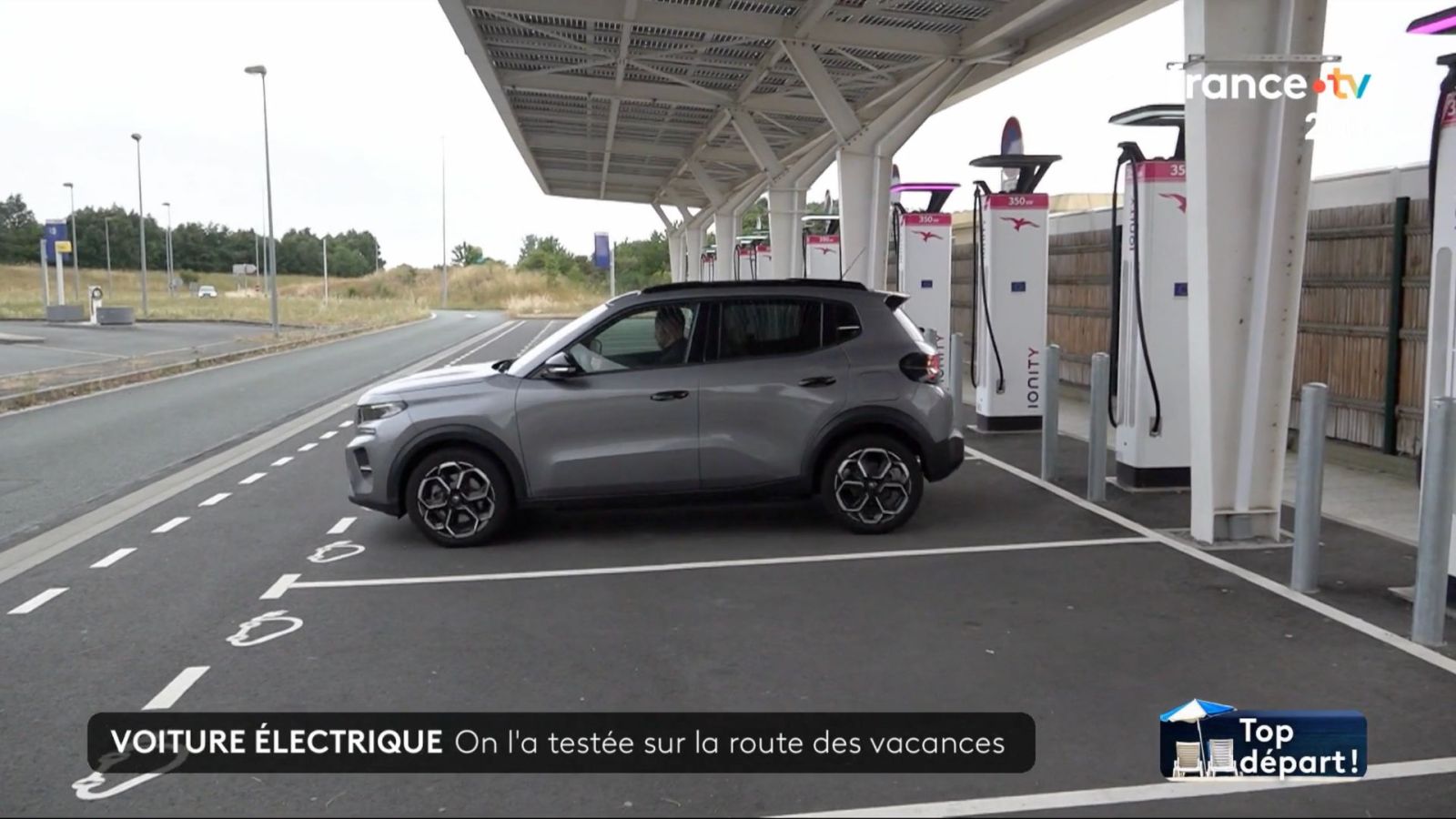
A report aired on France 2's 8 PM news program aimed to assess the economic viability of electric cars for vacation travel. While the objective was commendable, the execution of the report has been heavily criticized as flawed. The analysis suggests that the report's methodology or presentation failed to adequately address the complexities of electric vehicle usage for extended trips. This has led to a debate about the accuracy and fairness of the information presented to the public regarding the cost-effectiveness of electric vehicles. The report's shortcomings have raised questions about the journalistic standards applied in covering emerging technologies and their practical applications for consumers. Further scrutiny is needed to understand the specific errors and their potential impact on public perception of electric cars. The incident highlights the challenges in producing balanced and informative reporting on rapidly evolving technological and economic trends.
The critique of the France 2 report on electric vehicles for vacation travel points to potential challenges in translating complex technological and economic data into accessible journalistic content. When evaluating new technologies, particularly those with significant infrastructure and cost considerations like electric vehicles, journalistic efforts must ensure a comprehensive approach. This includes accounting for variables such as charging availability, time costs, electricity prices, and vehicle depreciation, which can significantly impact the overall economic equation. A balanced report would explore these factors transparently, allowing viewers to make informed judgments rather than presenting a potentially oversimplified or misleading narrative. The incident underscores the importance of rigorous fact-checking and nuanced analysis in reporting on subjects that influence consumer behavior and public policy, especially as the transition to sustainable transportation accelerates.
AI-generated to prompt reflection — not editorial opinion, not advice, not a statement of fact. How this works.