France and Italy Blocked EU Sanctions Against Russian Fighters in Ukraine
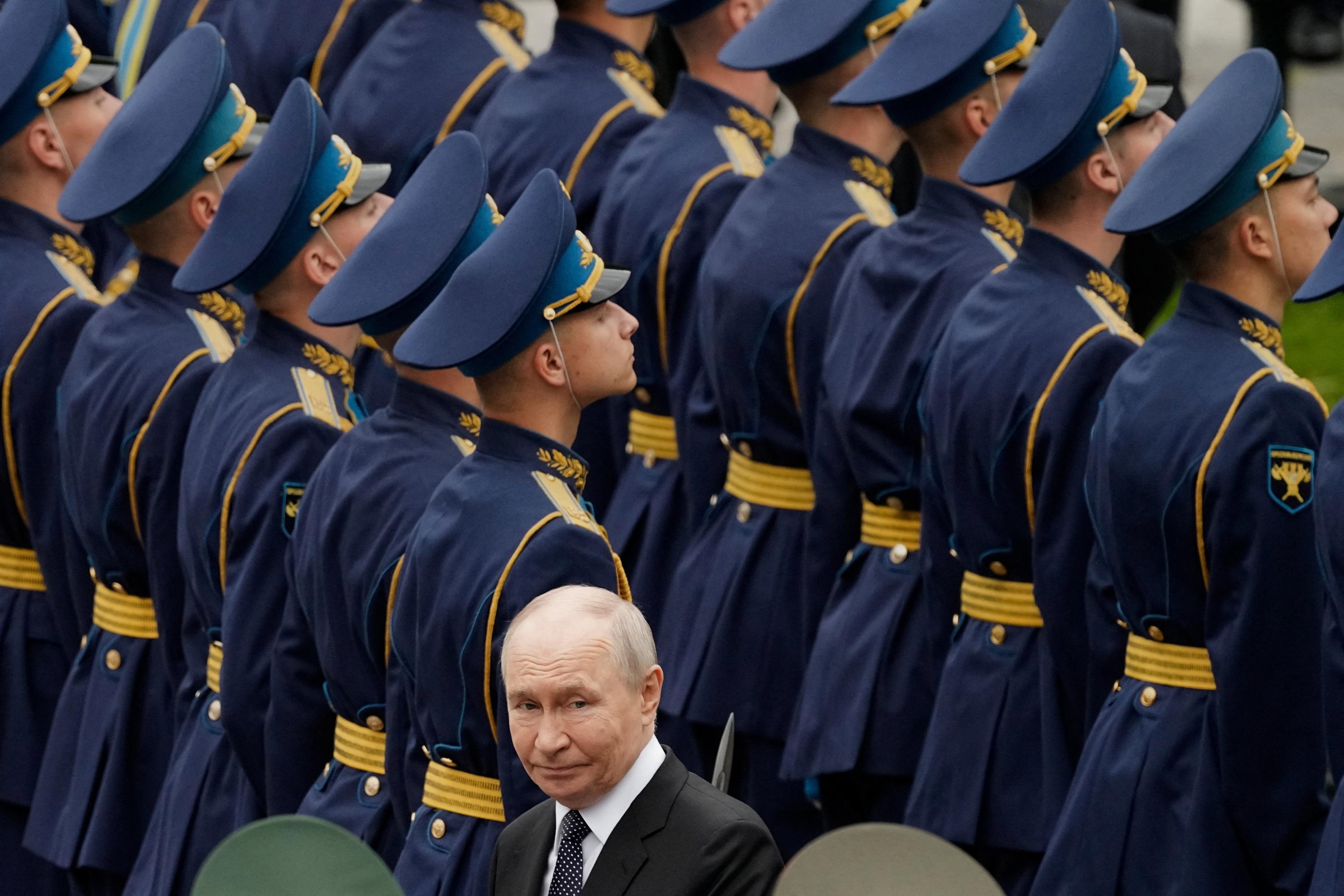
A proposed European Union measure to ban Russian fighters from entering EU territory has been postponed. The ban, which was requested by about ten EU member states, was reportedly blocked by France and Italy. This decision effectively torpedoed the sanctions initiative, preventing its immediate implementation. The postponement means that Russian combatants will not face immediate travel restrictions across the European Union as a result of this specific measure. The exact reasons for France and Italy's opposition were not detailed in the report, but their stance was sufficient to halt the proposed sanctions. The initiative aimed to increase pressure on Russia by restricting the movement of its military personnel within the EU. The delay suggests a lack of consensus among EU members on how to effectively penalize Russian actions in Ukraine through such measures. Further discussions are expected to take place regarding the future of these sanctions.
The reported blocking of EU sanctions against Russian fighters by France and Italy highlights the complex geopolitical considerations and divergent national interests that can impede unified bloc action. This event underscores the challenges in achieving consensus on punitive measures, particularly when they involve significant economic or diplomatic trade-offs. The decision to postpone the sanctions may reflect differing strategic assessments of their potential impact versus the risks of escalation or economic repercussions. Future attempts to implement similar measures will likely require addressing these underlying concerns and potentially finding alternative approaches that garner broader support among member states. The situation also prompts reflection on the effectiveness of sanctions as a foreign policy tool when faced with internal division within the implementing body.
AI-generated to prompt reflection — not editorial opinion, not advice, not a statement of fact. How this works.