France and Nepal: Two Forms of Silence
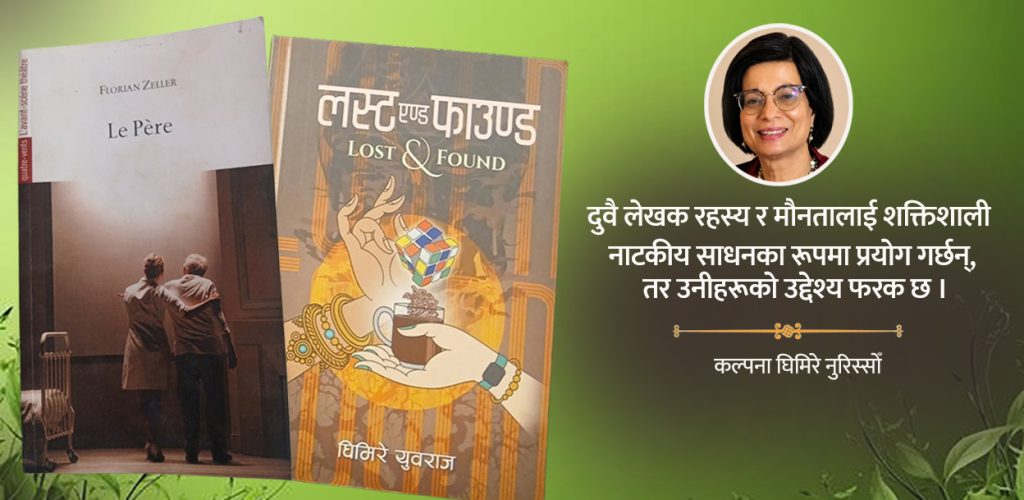
The article discusses two distinct forms of silence, drawing parallels between characters in French and Nepali contexts. In France, a character named Jellal is unable to speak because they cannot recall their past. This inability to articulate is linked to a lack of memory. Conversely, characters in Nepal are silent due to a social conditioning that has not taught them to easily translate their sorrows into language. This suggests a cultural or societal reason for suppressing or not expressing emotional pain. The piece contrasts these two scenarios, highlighting how external factors like memory loss and internal social norms can lead to a lack of vocal expression.
This piece offers a metaphorical exploration of silence, contrasting memory-induced muteness with socially conditioned emotional restraint. The analysis highlights how both external cognitive factors and internal societal structures can inhibit expression. In the context of the evolving digital age, where communication is paramount, understanding these different barriers to articulation is crucial. It prompts reflection on how societies cultivate or suppress emotional literacy and the long-term implications for individual well-being and collective understanding. Future considerations might involve how AI-driven communication tools could potentially bridge such gaps, or conversely, exacerbate them by prioritizing efficiency over nuanced emotional expression.
AI-generated to prompt reflection — not editorial opinion, not advice, not a statement of fact. How this works.