France and Spain Battle Out-of-Control Wildfires Amid Extreme Heatwave
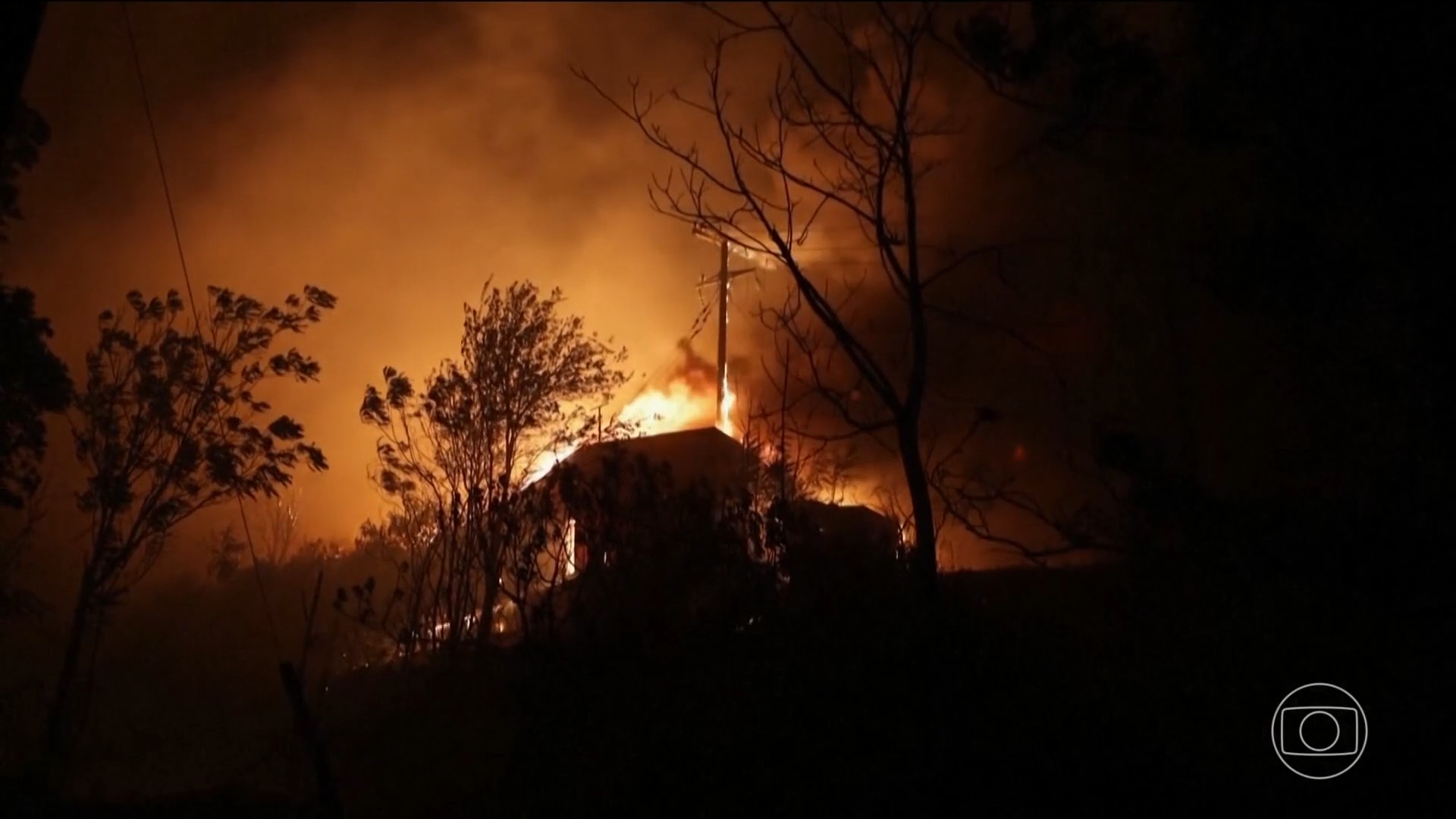
Wildfires are raging across France and Spain, with residents in Bordeaux, France, likening the scene to a "war zone." Firefighters are engaged in continuous ground operations, supported by aircraft deploying water and retardant chemicals in an effort to slow the spread of the flames. The regional government has requested additional equipment, vehicles, and international assistance to bolster firefighting efforts. Despite some overnight rain in certain areas, fire officials emphasized the need to maximize this brief window to intensify operations. However, forecasts predict further heatwaves, dry conditions, and temperatures potentially reaching 40°C in the coming days.
Professor Stefan Doerr from Swansea University notes that heatwaves create ideal conditions for fire propagation, with "fire risk" conditions increasing globally by over 20% in the past four decades. This phenomenon allows fires to grow disproportionately larger than they would otherwise. In France, President Emmanuel Macron has convened emergency meetings, as local authorities report the fires remain uncontained, with one significant blaze near Bordeaux threatening a densely populated urban area. Spain is also contending with advancing flames west of Madrid and in the Valencia region, where worsening conditions are expected due to heat and dryness. Spanish Prime Minister Pedro Sánchez described the situation as the "most painful expression of the climate emergency."
The escalating wildfires in France and Spain highlight the critical intersection of climate change and infrastructure vulnerability. The increased frequency and intensity of heatwaves, directly linked to global warming trends, create conditions where fires can rapidly spread, overwhelming conventional response capabilities. This situation underscores the need for proactive land management strategies, including fuel reduction and improved early detection systems, alongside international cooperation for resource deployment. Furthermore, the event serves as a stark reminder of the systemic risks posed by climate change, necessitating long-term policy shifts towards emissions reduction and climate adaptation measures to mitigate future occurrences and protect communities.
AI-generated to prompt reflection — not editorial opinion, not advice, not a statement of fact. How this works.