France and Spain Suffer Record Wildfires Amid Extreme Heat
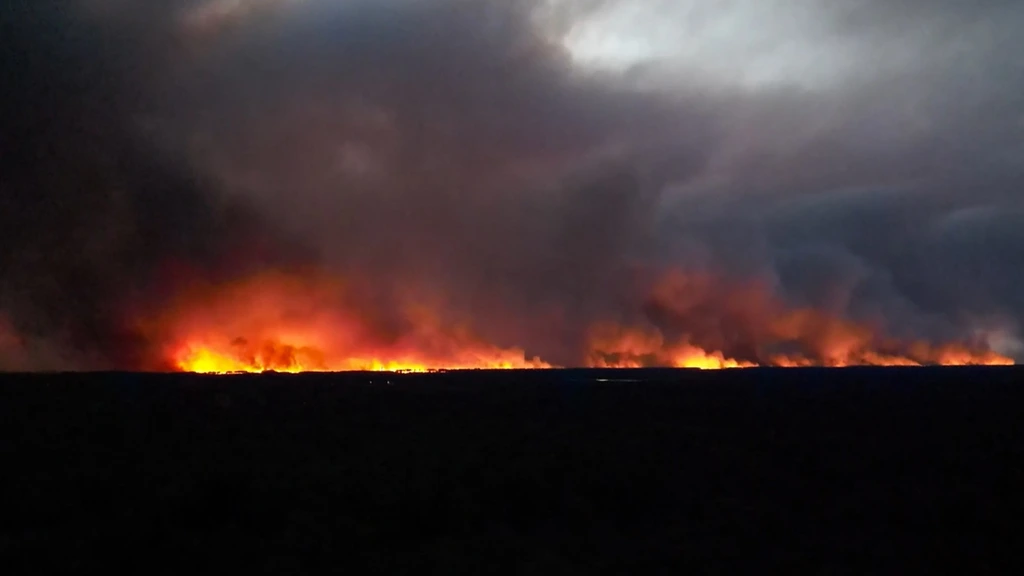
France has experienced a record number of wildfires and a record burned area by the end of July, according to data from the European Commission's Copernicus program. Consecutive heatwaves have severely dried out vegetation, leading to 311 fires already this year, with the region around Bordeaux particularly hard-hit. Copernicus has been monitoring wildfires from space using satellites since 2006, allowing for accurate measurement of active fire hotspots and burned areas.
Spain has also been significantly affected, prompting an unprecedented nationwide state of emergency. Multiple fires converged in the Madrid region, described by a local politician as the worst in the region's history. A combination of high temperatures and strong, persistent winds created a "perfect storm" of conditions. Spain has seen a record number of fires for this time of year, with four times the average land area burned. Tragically, thirteen people died in a fire in Almería, southern Spain, in early July. Both France and Spain have requested assistance from other European countries to combat the blazes.
Multiple factors contribute to wildfire risk, including landscape, weather, and human behavior. A wet winter and early spring led to abundant vegetation, which then dried out due to the heat, creating ample fuel. While lightning can ignite fires, human activity, whether intentional or negligent, is the usual cause in Europe. Weather patterns, particularly strong winds and a lack of rain, exacerbate the spread and intensity of fires. Scientists link the current high temperatures and drought conditions in Southern Europe to global warming, which intensifies heatwaves and accelerates soil drying, making vegetation highly vulnerable and fires spread rapidly. While global burned area trends are variable, the conditions for more intense and erratic "mega-fires" are increasing, leading to greater risks of casualties and damage, as exemplified by the rapid spread of the Bordeaux fire which consumed approximately 10,000 hectares.
The record-breaking wildfires in France and Spain highlight the escalating impact of climate change on European ecosystems and public safety. The confluence of abundant dry fuel from favorable preceding seasons and extreme heat events, intensified by global warming, creates a highly volatile environment. While human negligence remains a significant ignition factor, the increased frequency and intensity of "mega-fires" suggest a systemic shift towards more dangerous fire conditions. This necessitates a re-evaluation of land management strategies, including proactive fuel reduction and potentially reconsidering landscape designs to incorporate fire-resistant features. The reliance on international aid underscores the need for enhanced regional cooperation and resource allocation for disaster preparedness and response in an era of increasingly severe climate-related events.
AI-generated to prompt reflection — not editorial opinion, not advice, not a statement of fact. How this works.