France Condemns Ex-Spanish PM's Remarks on National Football Team as Racist
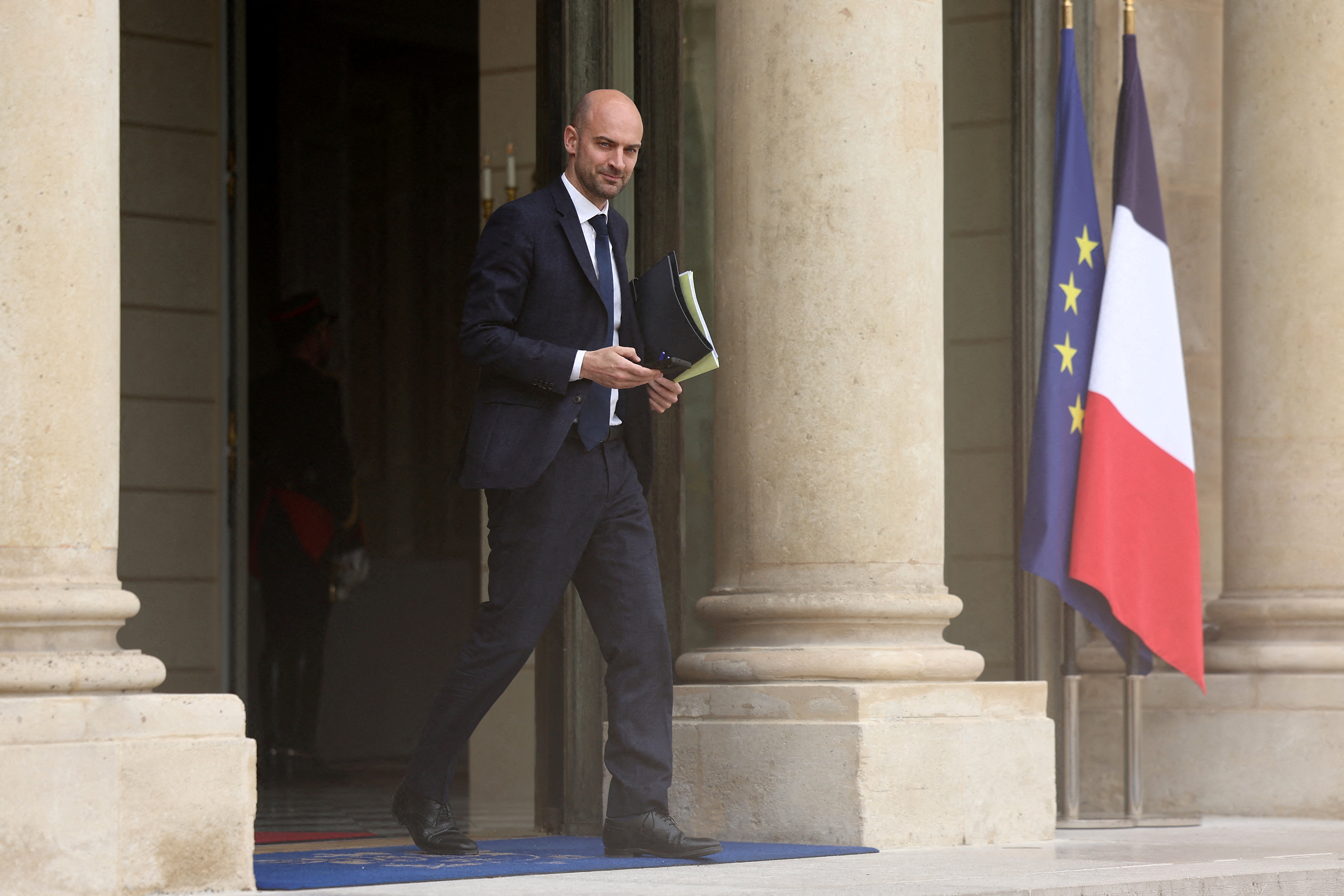
French Foreign Minister Jean-Noël Barrot has strongly criticized former Spanish Prime Minister Mariano Rajoy's comments about the French national football team, deeming them "stupid" and "racist." Rajoy had written in a column for El Debate that the French team, despite its high level, does not feature "French people." Barrot countered that "France has no skin color" and that any assertion to the contrary is unacceptable. He highlighted the French team as an exceptional representation of France, embodying a "conquering, audacious" nation. He also emphasized that the team projects a positive image of the country and is supported by all French citizens, regardless of their background. French Interior Minister Laurent Nuñez and other officials, including the head of the French Football Federation, Philippe Diallo, echoed these sentiments, calling Rajoy's statements "unacceptable," "absurd," and carrying an "intolerable odor of racism." Diallo pointed out that most of the 26 players called up were born in France, many being children or grandchildren of immigrants. The controversy has reignited debates in France about immigration, national identity, and racism in sports, following a recent incident involving racist remarks against Kylian Mbappé by a Paraguayan senator. Spanish Foreign Minister José Manuel Albares also condemned Rajoy's message as "racist and xenophobic."
The controversy surrounding former Spanish Prime Minister Mariano Rajoy's comments on the French national football team highlights a recurring tension between national identity and the diverse realities of modern societies, particularly in the context of elite sports. Rajoy's assertion that the team lacks "French people" appears to invoke a narrow, ethno-nationalist definition of nationality, overlooking the legal and civic criteria that define French citizenship. This perspective contrasts sharply with the French Republic's foundational principle of universalism, which emphasizes citizenship irrespective of origin or appearance. The strong condemnation from French officials suggests a strategic imperative to defend the inclusive model of French identity against what they perceive as divisive and retrograde rhetoric. The incident underscores how sports teams, as highly visible national symbols, can become focal points for broader societal debates about belonging, integration, and the evolving nature of national character in the 21st century.
AI-generated to prompt reflection — not editorial opinion, not advice, not a statement of fact. How this works.