France Considers Automatic Spending Adjustments for 2027 Budget
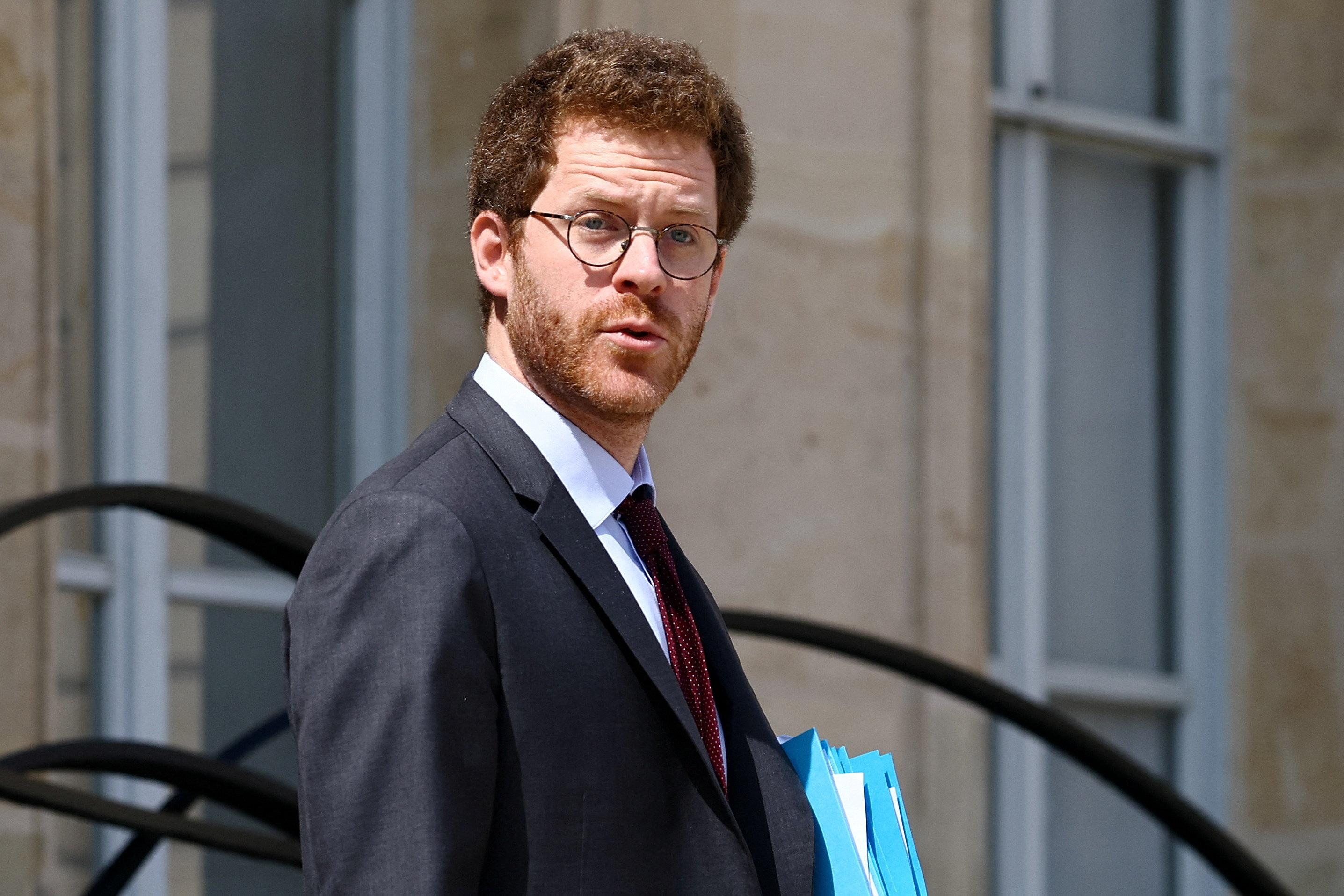
France is contemplating a "budgetary blank year" in 2027 as part of a plan to improve public finances. David Amiel, a key figure in this initiative, is advocating for a debate on the "automatic indexing" of certain government expenditures to inflation. This proposal aims to create a more stable and predictable fiscal environment. The concept of a "blank year" suggests a pause or reset in the usual budget-setting process, allowing for a comprehensive review and potential restructuring of public spending. Amiel's push for automatic indexing seeks to shield specific budget items from the erosive effects of inflation, ensuring their real value is maintained over time. This approach could involve linking the growth of certain spending categories directly to inflation rates, thereby preventing a decline in their purchasing power. The ultimate goal is to achieve a sustainable path for public finances. The discussions around the 2027 budget are expected to focus on these structural reforms. The initiative reflects a broader effort to enhance the resilience of the French economy against inflationary pressures.
The French government's consideration of a "budgetary blank year" and automatic spending adjustments for 2027 signals a proactive approach to fiscal management in an era of persistent inflation. By proposing automatic indexing, policymakers aim to introduce greater predictability and potentially insulate critical public services from economic volatility. This strategy could mitigate the political challenges of annual budget negotiations, where spending priorities often become contentious. However, the success of such a system hinges on careful design to avoid creating rigid, unfunded mandates or exacerbating deficits if inflation spikes unexpectedly. The long-term implications for fiscal flexibility and the government's ability to respond to unforeseen crises will be crucial considerations as this debate unfolds.
AI-generated to prompt reflection — not editorial opinion, not advice, not a statement of fact. How this works.