France Considers Redirecting Large Inheritances to Investment
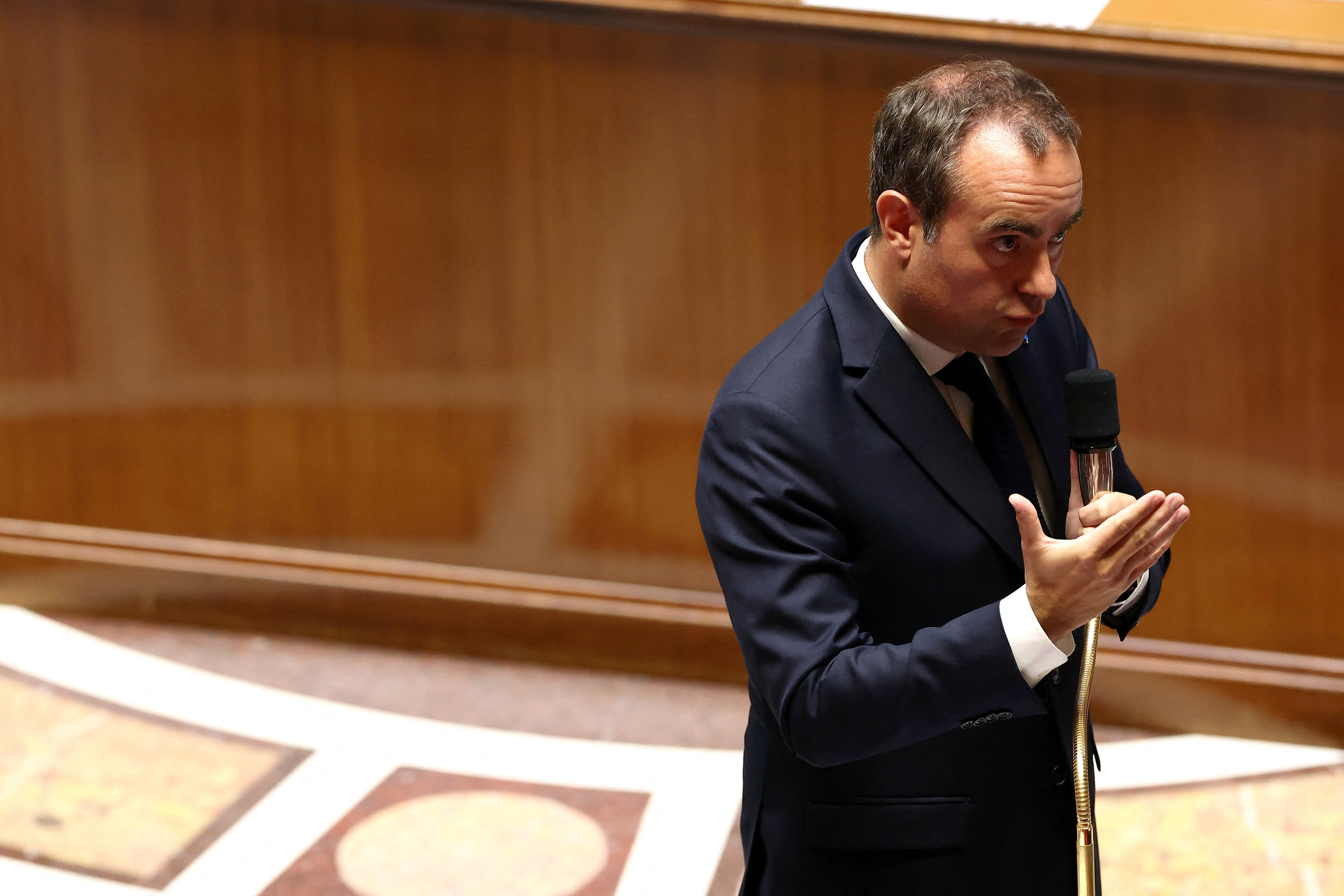
French Prime Minister Gabriel Attal has expressed openness to a proposal that would channel significant inheritances towards investment, an idea presented as an alternative to the "Zucman tax." This potential policy shift could be incorporated into the upcoming national budget. The proposal aims to leverage substantial inherited wealth for economic development and investment purposes. While details remain scarce, the concept suggests a mechanism to encourage or mandate that a portion of large inheritances be directed into productive investments rather than simply accumulating as passive assets. This approach is being considered as a way to stimulate economic growth and potentially address wealth concentration issues. The government is exploring various fiscal strategies, and this inheritance redirection plan is being evaluated as a viable option for the next budgetary cycle. The "Zucman tax," presumably referring to a wealth or inheritance tax proposed by economist Gabriel Zucman, serves as a point of reference for this alternative. The Prime Minister's "Chiche" (roughly translated as "Challenge accepted" or "You're on") suggests a willingness to seriously consider and potentially implement such a measure. The government's exploration of this idea indicates a proactive stance on fiscal policy and wealth management.
The French government's consideration of redirecting large inheritances towards investment presents an interesting fiscal policy lever. By framing this as an alternative to a wealth tax, it suggests a focus on stimulating economic activity rather than solely on redistribution or revenue generation. This approach could potentially incentivize wealth holders to engage in more productive asset allocation, aligning private capital with national investment goals. However, the practical implementation would require careful design to avoid unintended consequences, such as capital flight or complex avoidance strategies. The long-term impact will depend on the specific mechanisms chosen, the tax rates applied, and the clarity of investment directives. This policy could be viewed through the lens of fostering a more dynamic economy in the coming decade, where efficient capital deployment is crucial for innovation and growth, while also navigating the societal expectations around intergenerational wealth transfer.
AI-generated to prompt reflection — not editorial opinion, not advice, not a statement of fact. How this works.