France Deploys Zero-Tolerance Patrols to Prevent Human-Caused Fires
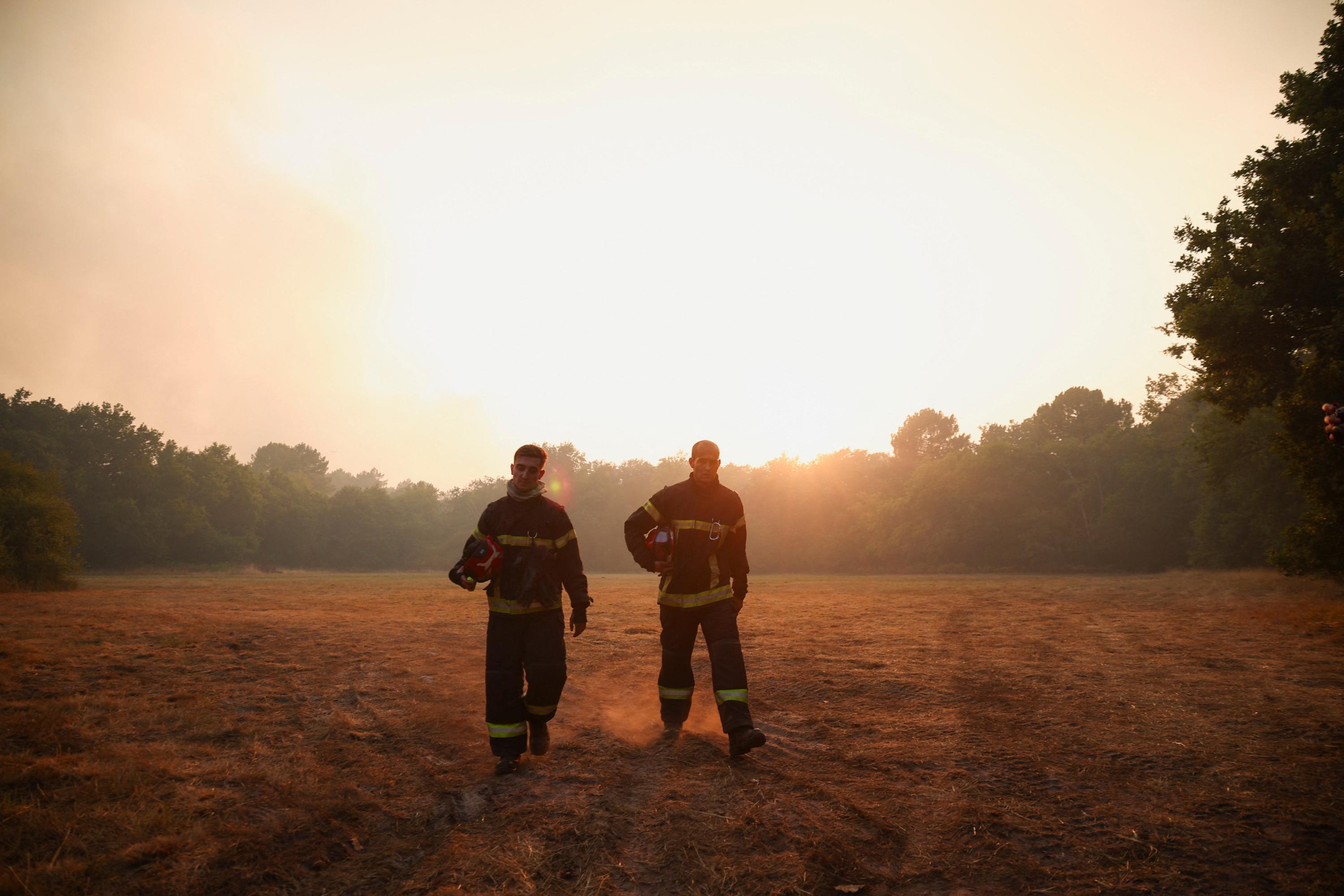
In response to a dire statistic revealing that 90% of fires are human-caused, France has implemented patrols in high-risk areas. These patrols are tasked with educating the public and enforcing regulations to curb the incidence of wildfires. The initiative underscores the critical nature of preventing human-induced ignitions, which represent the vast majority of fire outbreaks. The patrols aim to foster a sense of responsibility among individuals frequenting these vulnerable zones. By adopting a "zero tolerance" approach, authorities hope to significantly reduce the number of fires and their devastating consequences. This proactive strategy is considered essential in safeguarding natural landscapes and communities from the destructive impact of uncontrolled blazes. The program highlights a shift towards more direct intervention and public awareness campaigns in fire prevention efforts.
The deployment of "zero tolerance" patrols in high-risk areas addresses the significant challenge posed by human-caused fires, which account for 90% of ignitions. This strategy reflects a public policy response to mitigate risks stemming from human activity in natural environments. The emphasis on both information dissemination and sanctions suggests an approach that combines education with deterrence. From a systems perspective, this initiative aims to internalize the externalities of risky behavior by increasing the perceived cost of non-compliance. Looking ahead, the effectiveness of such patrols will likely depend on sustained resource allocation, community engagement, and the adaptability of enforcement strategies to evolving environmental conditions and human behaviors. The long-term success will be measured by a demonstrable reduction in fire occurrences and the preservation of ecological and community assets.
AI-generated to prompt reflection — not editorial opinion, not advice, not a statement of fact. How this works.