France evacuees return home as Spain lifts emergency; Greece battles fires
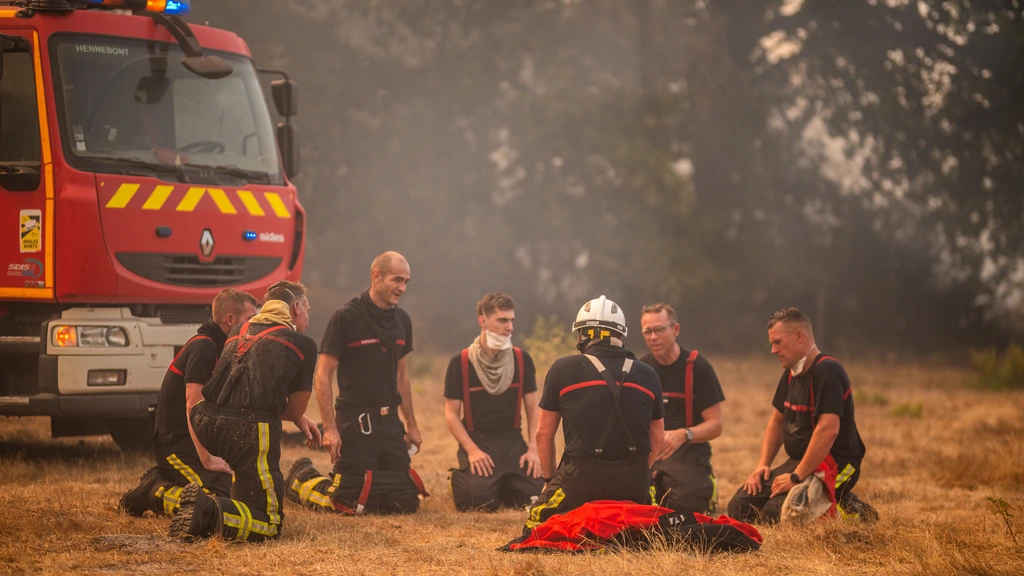
Approximately 84,000 people evacuated due to wildfires in France are now permitted to return home. This includes residents of the Lège-Cap-Ferret region near Bordeaux, where a significant area, four times the size of Paris, was devastated by flames. Favorable weather conditions, including increased humidity, light rain, and a temperature drop from around 40 degrees Celsius to 27 degrees Celsius, have aided firefighters in controlling the blaze. Despite the improvement, residents are advised to remain vigilant with their phones charged and evacuation bags ready. The fire, which necessitated the displacement of 224,000 people last week, has not spread overnight, with 2,200 firefighters and 20 water-bombing aircraft actively engaged. The A63 highway, a key tourist route connecting Bordeaux to Spain, will also reopen. In Spain, the state of emergency has been lifted following two wildfires in the Madrid and Ávila regions, allowing tens of thousands of evacuees to return. However, authorities caution that fires could reignite due to an ongoing heatwave, and new fires have led to the evacuation of an additional 1,300 people in the northwest. Meanwhile, a major wildfire on the Greek island of Crete, in the Rethymnon region, has been brought under control after two days of intense efforts, aided by improved weather. Evacuees, including Dutch tourists, are returning to their homes and accommodations. While all individuals are reported safe, significant damage has occurred to crops, olive groves, homes, and agricultural sheds. A state of emergency was declared to manage the aftermath. Tragically, two firefighters lost their lives on Crete, and another firefighter died battling a blaze on the Peloponnese peninsula.
The recent wildfires across France, Spain, and Greece highlight the escalating challenge of climate-driven extreme weather events. While immediate relief efforts focus on evacuations and fire containment, the recurring nature of these incidents underscores the need for long-term systemic adaptation strategies. The strain on firefighting resources, evident in the large numbers deployed and the tragic loss of life, points to the inadequacy of current infrastructure and personnel to cope with the increased frequency and intensity of such disasters. Future preparedness will likely require greater investment in early warning systems, advanced fire-prevention technologies, and robust land management practices that account for changing environmental conditions. The economic impact on tourism and agriculture, as seen in France and Greece, also necessitates proactive planning for resilience and recovery in vulnerable regions.
AI-generated to prompt reflection — not editorial opinion, not advice, not a statement of fact. How this works.