France Heatwave: Nearly 5,800 Excess Deaths Recorded in Two Weeks
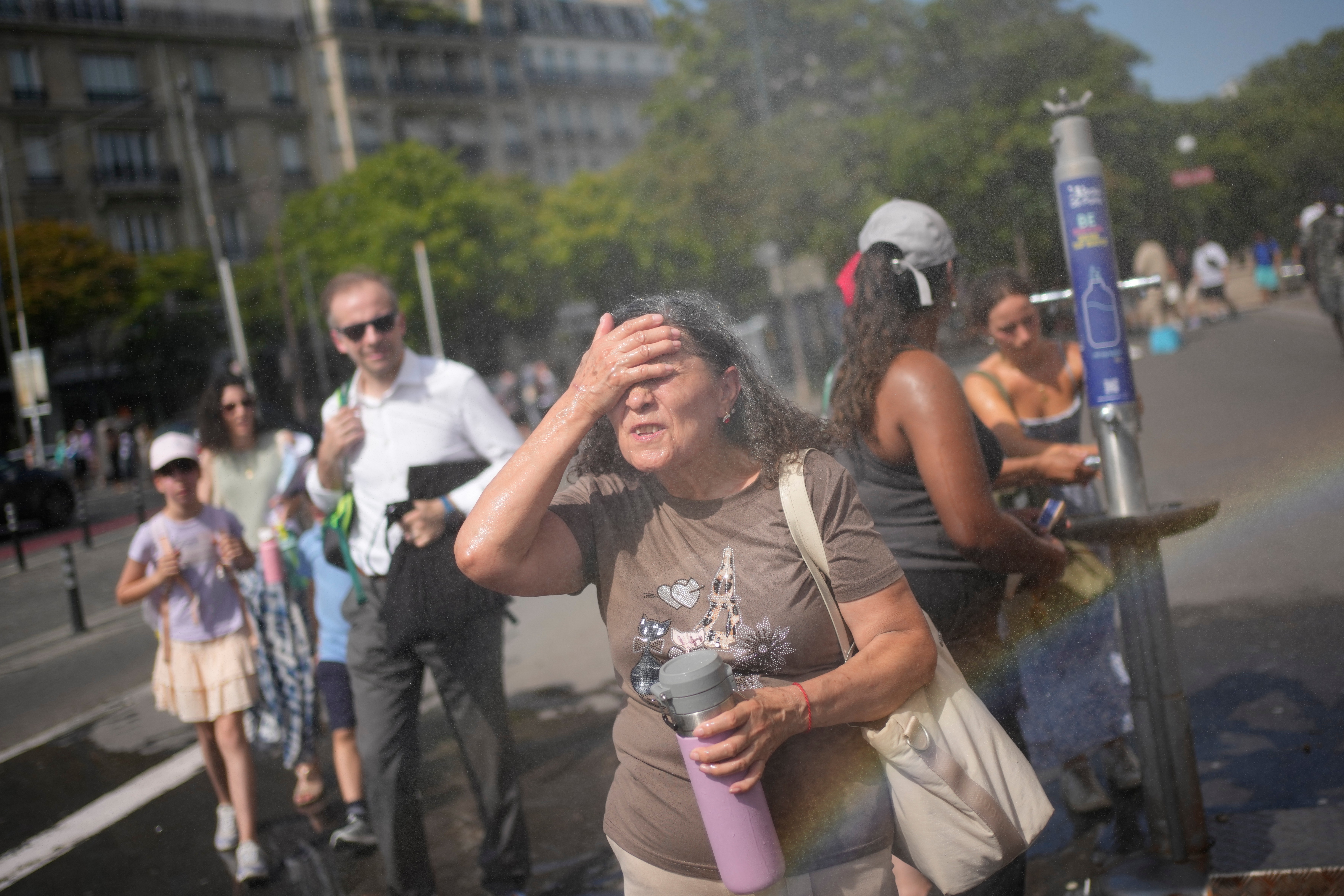
A severe heatwave that gripped France from late June to early July 2026 resulted in at least 5,764 excess deaths, according to data released by the national public health agency. This figure represents a 36% increase in mortality compared to what would be expected during periods without extreme temperatures. It marks the highest excess death toll from a heatwave in France since 2003, when a similar event caused approximately 15,000 deaths and prompted significant changes in the country's preparedness for extreme weather. Between June 17 and July 2, the affected regions recorded a total of 21,674 deaths from all causes. Statistical models, using data from previous years, estimate that under normal climatic conditions, this total would have been around 15,910 deaths, with the difference attributed to heat-related mortality.
The peak in excess deaths coincided with the hottest days, with slightly over half occurring between June 25 and 27, immediately following the most intense heat. France experienced its highest national average temperature of 30°C on June 24 and 25, along with overnight temperature records, while many cities saw thermometers exceed 40°C. The Paris region was the most severely impacted, with an estimated 1,999 excess deaths, an 80% increase over the expected mortality for that period. Nearly half of the total 21,674 deaths occurred in hospitals, with about a third in residences and the remainder primarily in long-term care facilities. The report encompasses all causes of death, acknowledging that extreme heat can exacerbate pre-existing cardiovascular, respiratory, and renal conditions, increase dehydration risks, and complicate health issues for vulnerable populations such as the elderly and those with chronic illnesses. These findings underscore the escalating impact of heatwaves in Europe, which are becoming more frequent, intense, and prolonged due to global warming.
This data highlights the critical public health challenge posed by escalating extreme weather events, a direct consequence of global climate trends. The significant excess mortality observed in France underscores the vulnerability of urban populations and healthcare systems to heat stress, particularly impacting the elderly and those with chronic conditions. Future preparedness strategies must integrate advanced climate modeling with robust public health infrastructure, including early warning systems, accessible cooling centers, and targeted support for at-risk communities. The systemic response needs to evolve beyond reactive measures to proactive adaptation, considering the increasing frequency and intensity of heatwaves as a persistent feature of the coming decade. This necessitates a re-evaluation of urban planning, building codes, and healthcare resource allocation to build resilience against predictable climate impacts.
AI-generated to prompt reflection — not editorial opinion, not advice, not a statement of fact. How this works.