France Imposes Water Restrictions Nationwide Due to Severe Drought
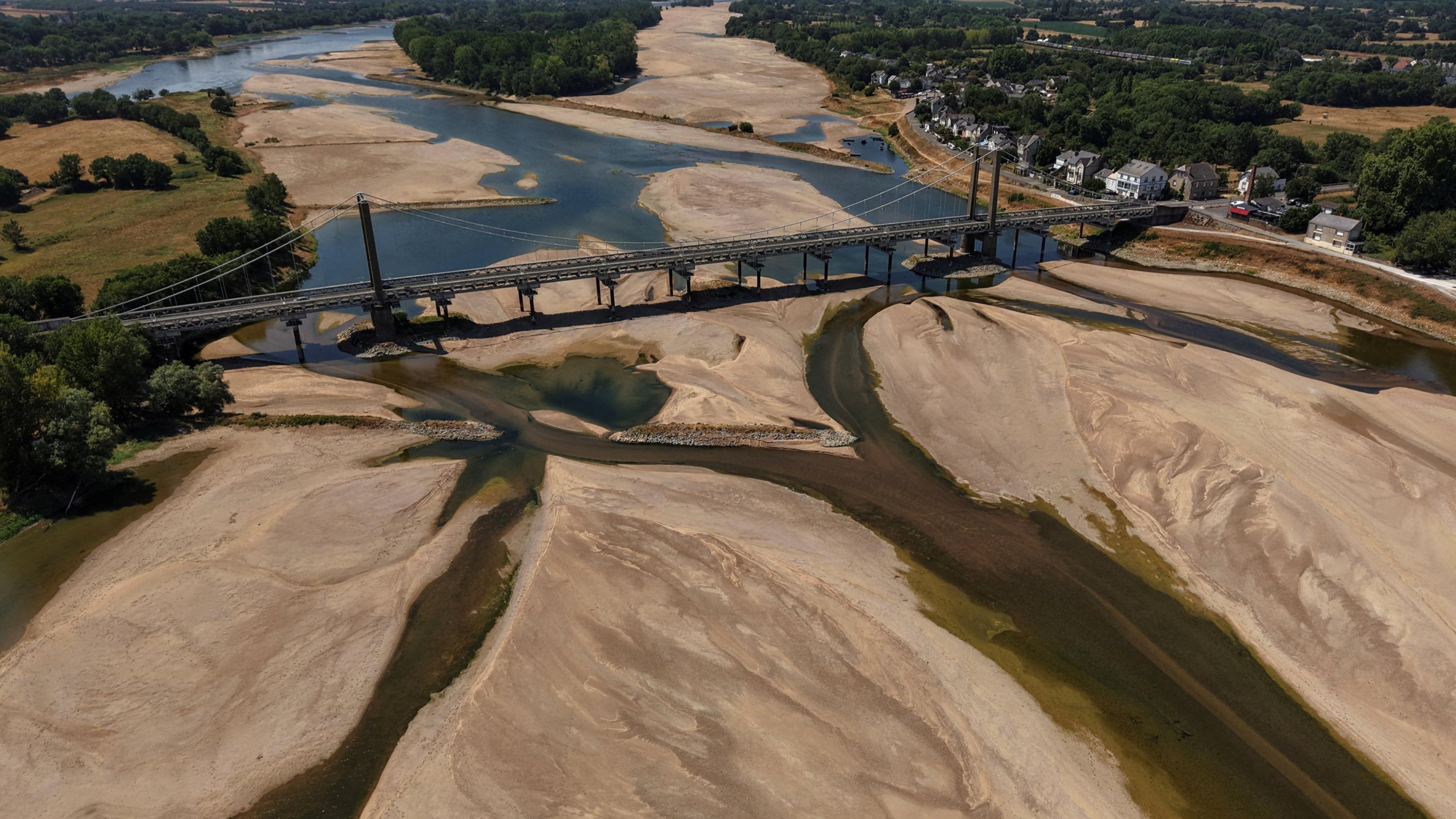
France is currently facing a severe drought, leading to widespread water restrictions across the country. As of the latest reports, 97 departments have implemented various levels of water use prohibitions. Among these, 41 departments have escalated to the highest level of crisis, signifying critical water shortages. This situation is described as unprecedented, with a quarter of the nation's small rivers reportedly running dry. The government is implementing these measures to conserve dwindling water resources and mitigate the impact of the prolonged dry spell. The severity of the drought is impacting agricultural activities and daily life in affected regions. Authorities are monitoring the situation closely and may implement further measures if conditions do not improve. Public awareness campaigns are underway to encourage water conservation among citizens. The long-term implications for water management and climate adaptation are becoming increasingly apparent.
The widespread water restrictions in France highlight the growing vulnerability of European nations to climate change-induced water scarcity. This event underscores the tension between immediate resource management needs and long-term infrastructural planning. As droughts become more frequent and severe, national policies will likely need to shift from reactive crisis management to proactive, systemic water resource governance. This includes investing in drought-resistant infrastructure, exploring innovative water recycling technologies, and potentially re-evaluating agricultural practices that are water-intensive. The current situation prompts a consideration of how societal demands for water can be balanced against ecological needs and the realities of a changing climate over the next decade.
AI-generated to prompt reflection — not editorial opinion, not advice, not a statement of fact. How this works.