France Orders 5,000 Drones, Reflecting Ukraine War's Impact on Military Doctrine
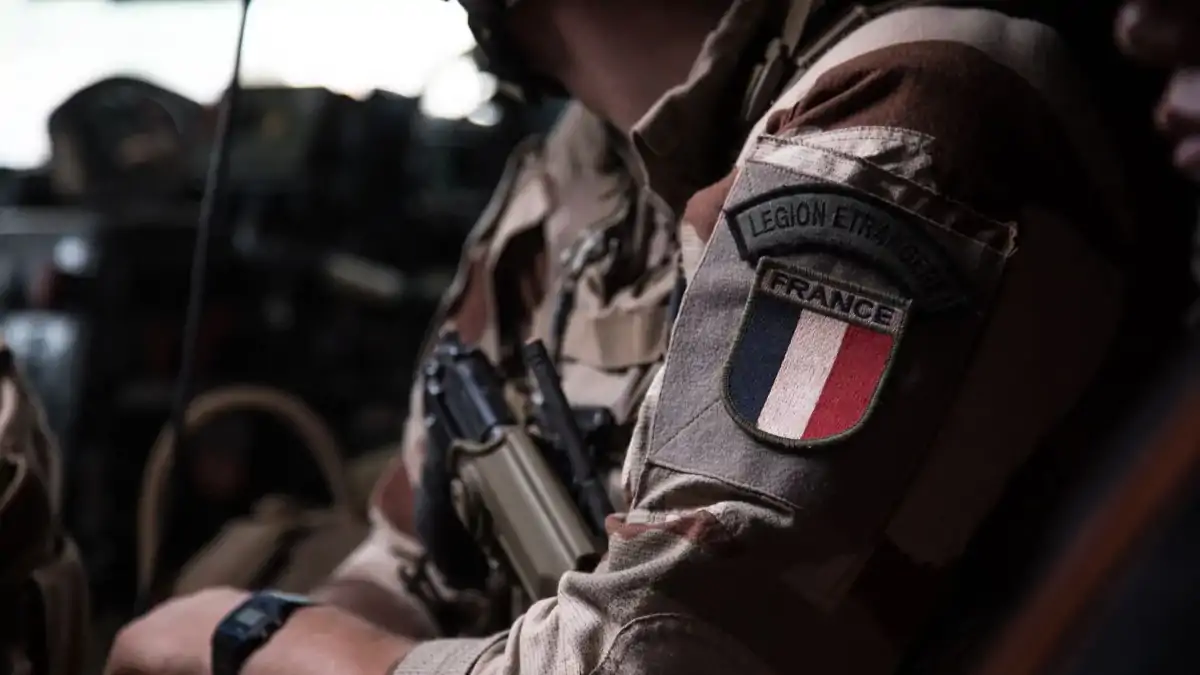
France's Directorate General of Armament (DGA) has placed an order for 5,000 DELCO drones from the French company Harmattan AI. The announcement was made by the Ministry of Armed Forces on June 23, following the DGA's notification on May 28. These drones are intended to equip the French Army, with deliveries scheduled to begin by early 2027 at the latest. This significant acquisition underscores a shift in French military strategy, heavily influenced by the ongoing conflict in Ukraine. The war has highlighted the critical role of unmanned aerial vehicles in modern warfare, prompting a reevaluation of existing military doctrines and procurement priorities. The DELCO drone, developed by Harmattan AI, is expected to enhance the Army's reconnaissance, surveillance, and potentially strike capabilities. This move signifies France's commitment to modernizing its armed forces and adapting to the evolving landscape of global security threats. The scale of the order suggests a strategic imperative to rapidly integrate advanced drone technology into frontline units.
The French Ministry of Armed Forces' significant procurement of 5,000 DELCO drones from Harmattan AI, with a stated delivery timeline by early 2027, signals a strategic adaptation to the realities of contemporary conflict, as evidenced by the war in Ukraine. This development highlights a broader trend of military modernization driven by the demonstrated effectiveness of drone technology in recent engagements. The decision reflects an understanding that future military operations will increasingly rely on unmanned systems for intelligence, surveillance, and reconnaissance, as well as potentially for offensive actions. This strategic pivot underscores the imperative for nations to maintain technological parity and adapt procurement policies to rapidly evolving battlefield requirements. The emphasis on drone integration suggests a long-term vision for enhancing national defense capabilities in an era where asymmetric warfare and the proliferation of advanced technologies are defining characteristics of the global security environment.
AI-generated to prompt reflection — not editorial opinion, not advice, not a statement of fact. How this works.