France's 2006 and Syria's potential 2026 efforts against Hezbollah mirror Israel's unachieved goals
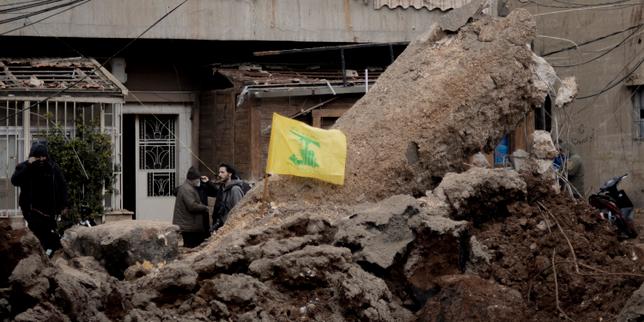
The disarmament of the pro-Iranian militia Hezbollah has proven to be an unachievable objective, as evidenced by past and potential future international interventions. In 2006, France was solicited to disarm Hezbollah but was unsuccessful in imposing such a measure, despite pressure from Israel and the United States. Similarly, Syria is expected to be approached in 2026 with similar demands for Hezbollah's disarmament, again under pressure from Israel and the US, and is also unlikely to succeed. These recurring international efforts highlight the persistent challenge of neutralizing Hezbollah's military capabilities and influence. The inability of powerful nations to enforce disarmament suggests a complex geopolitical landscape and the resilience of the militia. The repeated reliance on external actors underscores the limitations of direct military or diplomatic pressure in resolving the issue. This pattern indicates a strategic stalemate where forceful disarmament remains elusive.
The recurring international attempts to disarm Hezbollah, first by France in 2006 and potentially by Syria in 2026, highlight a persistent geopolitical challenge. The inability to impose disarmament, despite pressure from Israel and the United States, suggests that external actors face significant limitations in influencing the group's military capacity. This situation may reflect the complex regional power dynamics, Hezbollah's entrenched position, and the potential for unintended consequences of forceful intervention. Future strategies may need to consider a broader range of diplomatic, economic, and political approaches, acknowledging the limitations of direct pressure and focusing on de-escalation and long-term stability.
AI-generated to prompt reflection — not editorial opinion, not advice, not a statement of fact. How this works.