France's 2026 Baccalauréat: Can Enhanced Anti-Fraud Measures Truly Make a Difference?
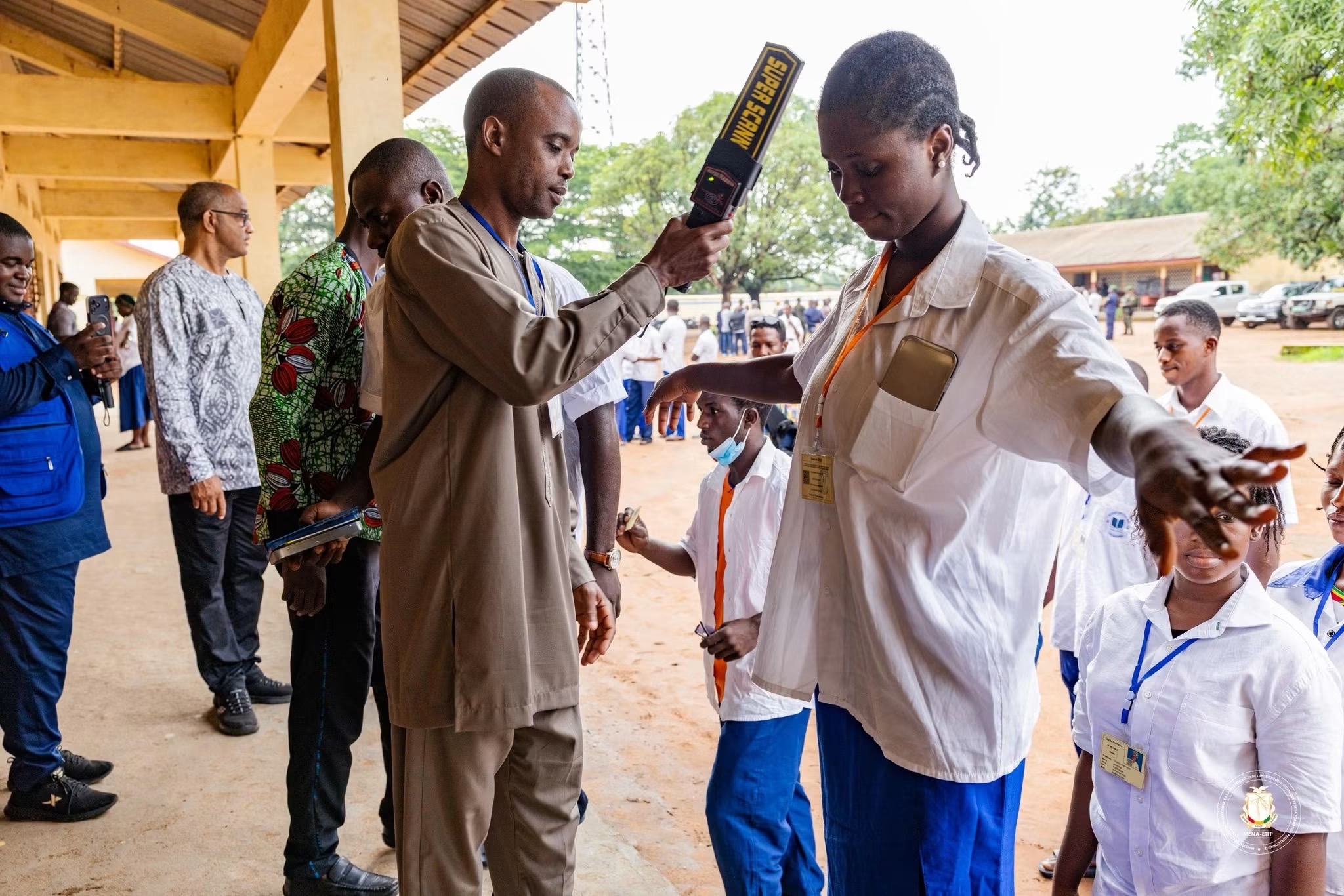
France's unique Baccalauréat for the 2026 session is being conducted with heightened vigilance. Educational authorities have significantly bolstered security measures across examination centers this year to combat fraud, a persistent issue that fuels annual debates surrounding national exams. These enhanced measures include the deployment of mobile phone detectors and systematic searches of students. The goal is to address the recurring problem of cheating that has become a prominent concern in the French education system. The implementation of these stricter protocols aims to ensure the integrity and fairness of the Baccalauréat examinations. Officials hope that these strengthened anti-fraud efforts will lead to a more equitable assessment of student knowledge and abilities. The effectiveness of these new measures in truly altering the landscape of exam integrity remains a key question as the 2026 session progresses.
The French Ministry of Education's intensified anti-fraud measures for the 2026 Baccalauréat reflect a systemic challenge in maintaining academic integrity within large-scale standardized testing. While increased surveillance and detection technologies aim to curb cheating, their long-term efficacy depends on addressing the underlying pressures and incentives that drive fraudulent behavior. Future educational policy might consider a multi-pronged approach, balancing security with pedagogical innovations that reduce the perceived need for fraud. Furthermore, the ongoing tension between traditional high-stakes examinations and evolving assessment methods in the digital age presents a persistent governance challenge for educational institutions globally.
AI-generated to prompt reflection — not editorial opinion, not advice, not a statement of fact. How this works.