France's 2026 World Cup Dream Ends: Did Deschamps' Innovations Lead to Overreach?
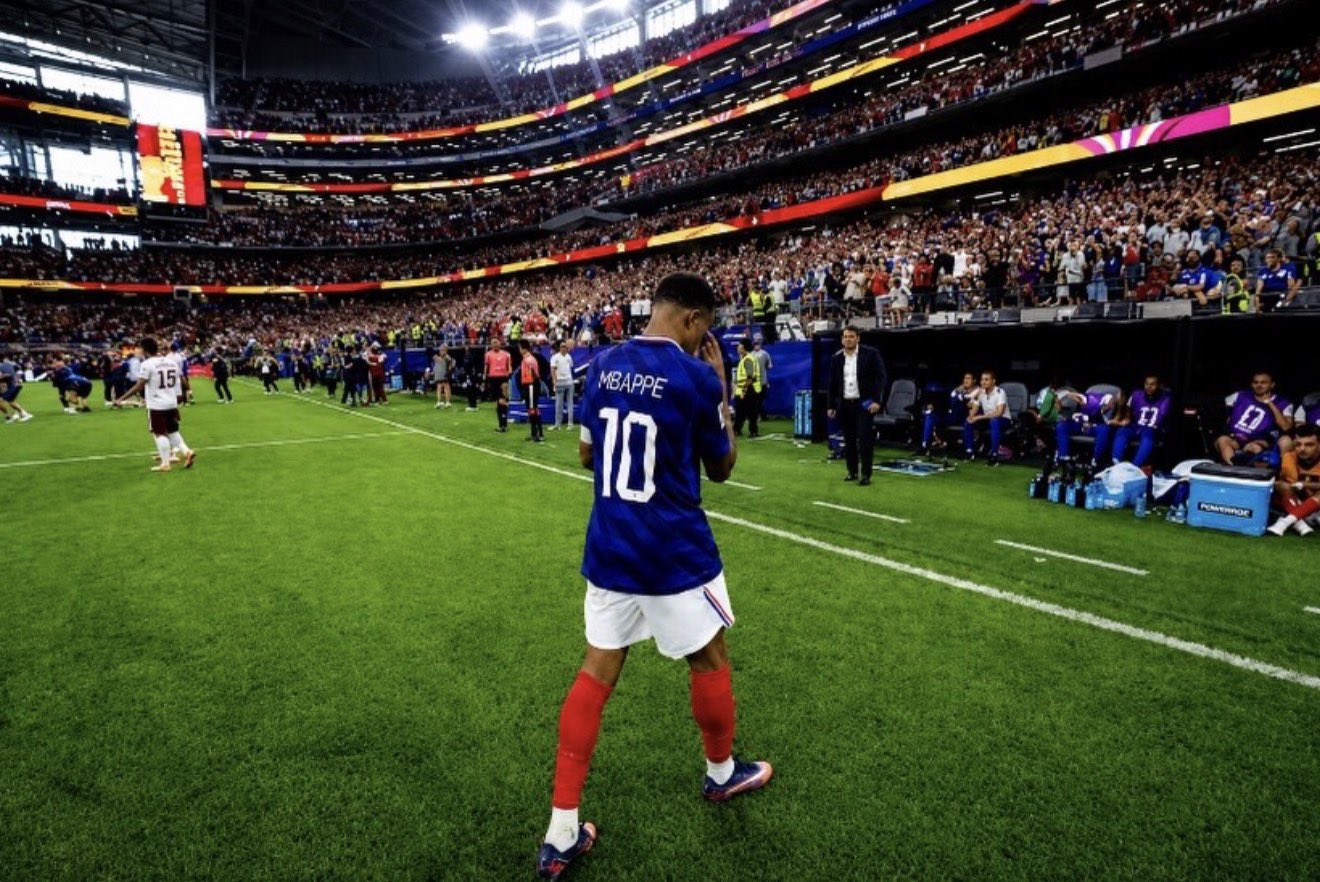
France will not be the first nation in history to compete in three consecutive World Cup finals. The team's aspiration for a third straight final appearance was dashed, ending their campaign prematurely. This outcome raises questions about the strategic decisions made by coach Didier Deschamps. Specifically, the article ponders whether Deschamps' pursuit of innovation in team composition or tactics may have contributed to the ultimate disappointment. The dream of a historic third consecutive final has therefore flown away, leaving the French team to regroup. The specific nature of these innovations is not detailed in the provided text, but the implication is that they may have been a factor in the team's inability to advance further. The disappointment marks a significant moment for French football, interrupting what could have been an unprecedented run of success on the world stage. The focus now shifts to analyzing the team's performance and the coach's choices.
The French national team's exit from the 2026 World Cup, failing to reach a third consecutive final, prompts an examination of strategic choices. The narrative suggests a tension between established success and the pursuit of novel approaches under coach Didier Deschamps. This situation highlights a common challenge in elite sports: balancing continuity with the need for adaptation to maintain a competitive edge. Over-innovation, if not carefully calibrated, can disrupt team cohesion or introduce vulnerabilities. Conversely, a failure to evolve can lead to predictability and stagnation. The outcome invites reflection on how teams can best navigate these dynamics to sustain long-term high performance, considering both the internal team structure and external competitive pressures in the evolving landscape of international football.
AI-generated to prompt reflection — not editorial opinion, not advice, not a statement of fact. How this works.