France's 2027 Budget: Tax Loopholes, Social Spending, and "Blank Year" Ideas for Savings
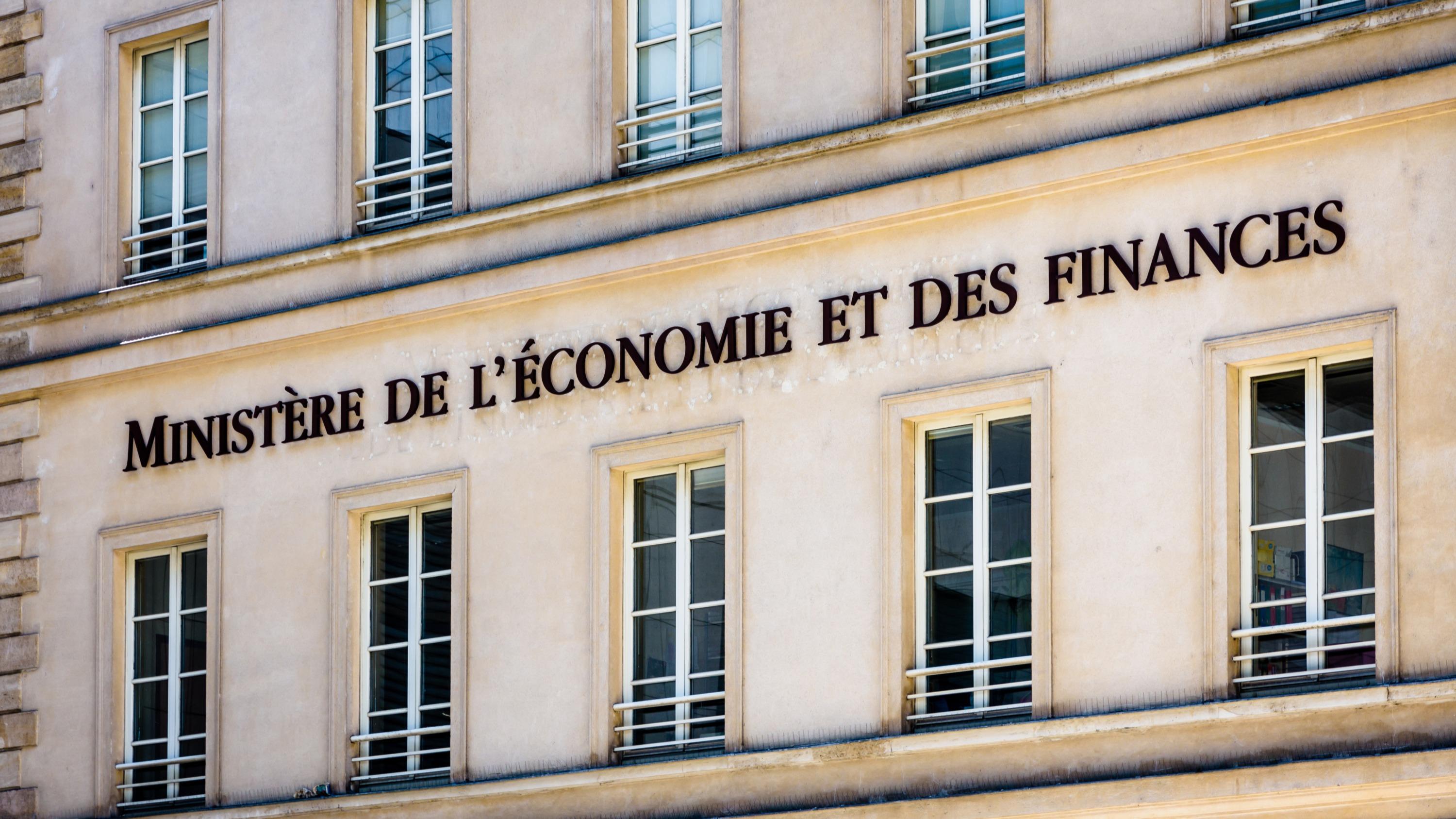
The French government has only a few weeks left to finalize its budget texts for 2027, which must include significant savings measures amounting to several billion euros. Several "explosive" ideas are reportedly being considered to achieve these fiscal objectives. Among the proposals discussed are closing tax loopholes, which could generate substantial revenue by eliminating preferential tax treatments. Another area under scrutiny is social spending, a significant portion of the national budget, where potential reductions or reforms are being explored. The concept of a "blank year" is also mentioned, which could refer to a freeze on certain expenditures or a temporary suspension of specific programs to curb spending. These measures are crucial for the government to meet its deficit reduction targets and ensure fiscal stability.
The French government faces the perennial challenge of balancing fiscal responsibility with social commitments, particularly as the 2027 budget deadline approaches. The exploration of "explosive" ideas like closing tax loopholes and reforming social spending highlights the tension between revenue generation and expenditure control. Such measures, while potentially effective in reducing deficits, carry significant economic and social implications. Closing loopholes could impact specific industries or investment behaviors, while reforms to social programs may affect vulnerable populations. The government must navigate these trade-offs, considering the long-term sustainability of public finances against the immediate needs of its citizens. The effectiveness of these proposed savings will depend on their design, implementation, and the broader economic context over the next decade.
AI-generated to prompt reflection — not editorial opinion, not advice, not a statement of fact. How this works.