France's Decarbonization Efforts Hindered by Deindustrialization
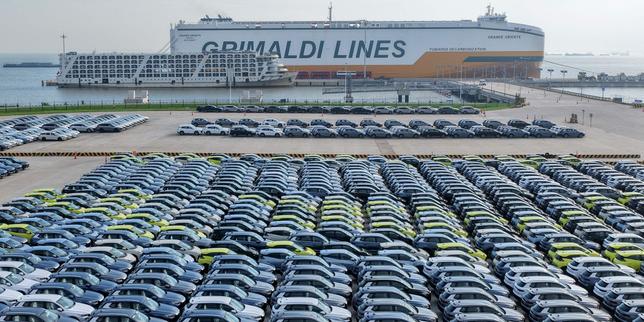
France's positive record on reducing greenhouse gas emissions is partly based on a statistical anomaly, according to a note from Rexecode. The country's deindustrialization process is forcing it to significantly increase imports of highly carbon-intensive goods. This shift means that while domestic emissions may decrease, the overall carbon footprint associated with consumption is likely rising. Béatrice Madeline highlighted this finding in her column, pointing out the accounting illusion at play. This situation suggests that France's apparent progress in decarbonization may not fully reflect its actual environmental impact. The reliance on imported, carbon-heavy products masks the true cost of consumption patterns. Therefore, a more comprehensive assessment of environmental efforts is needed, considering the full lifecycle of goods and services.
The Rexecode note highlights a critical accounting challenge in national emissions reporting. As industrial production shifts from domestic to overseas locations, a country's reported emissions may fall due to reduced local activity. However, this often corresponds with an increase in imported goods, whose embedded carbon emissions are produced elsewhere. This dynamic raises questions about the effectiveness of purely domestic emissions targets in addressing global climate change. Future policy frameworks may need to consider consumption-based emissions accounting to provide a more accurate picture of environmental responsibility and to incentivize sustainable production globally, rather than simply shifting the burden.
AI-generated to prompt reflection — not editorial opinion, not advice, not a statement of fact. How this works.