France's Fuel Subsidies: How Long Will Support Measures Last as Prices Fall?
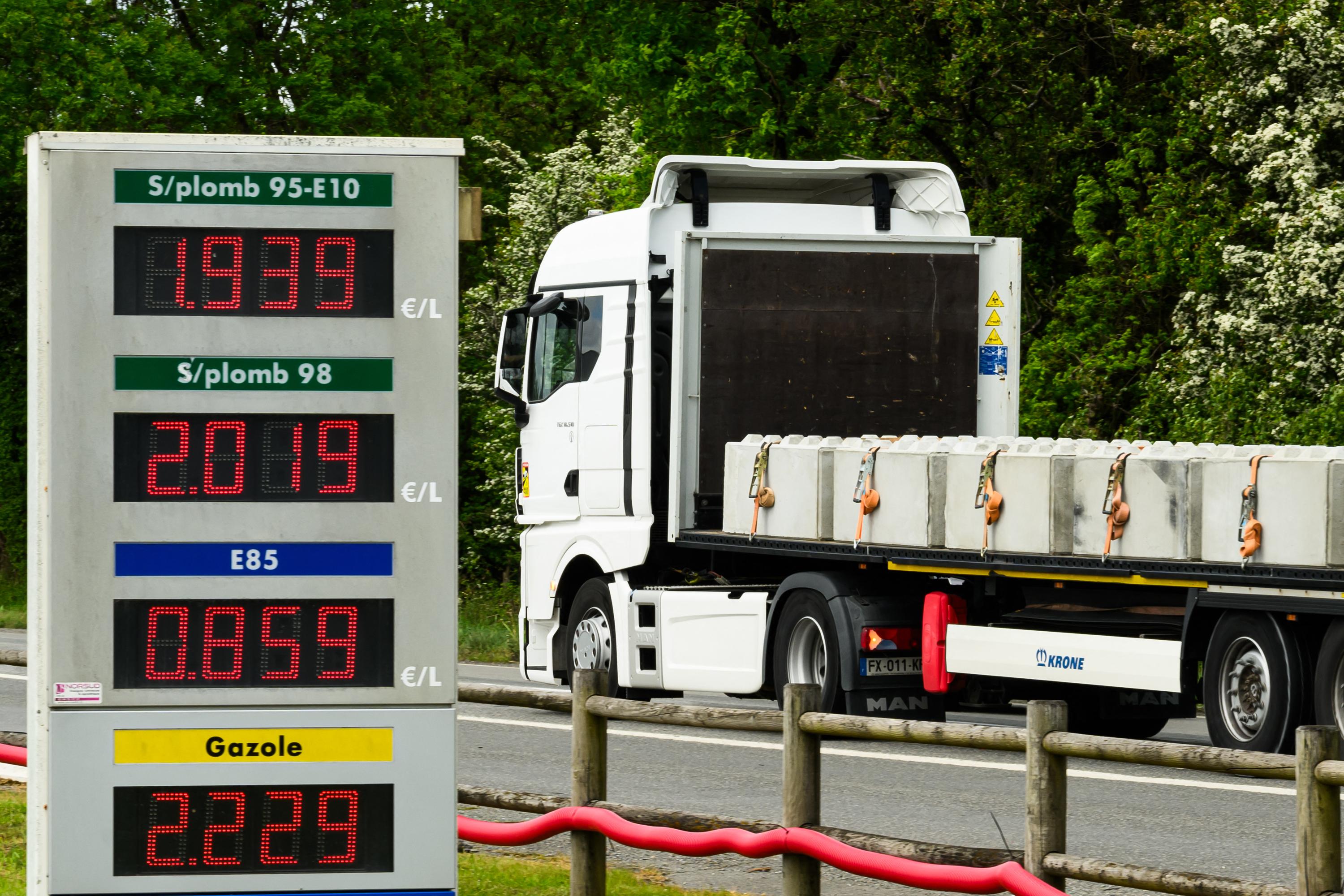
As fuel prices at the pump decrease, mirroring the drop in global oil prices due to de-escalation in the Middle East, questions are arising about the future of government support measures. These aid programs were initially implemented by the French government at the onset of the conflict. The subsidies targeted various sectors, including "high-mileage" drivers, farmers, and the construction (BTP) industry. The current decline in oil prices, influenced by easing tensions in the Middle East, has led to a reduction in the cost of fuel for consumers. This development prompts a re-evaluation of the necessity and duration of the financial assistance previously deemed essential. The government is now facing the challenge of determining when to phase out these measures without causing undue hardship to the sectors that have benefited from them.
The French government's fuel subsidy measures, enacted during a period of high energy prices, are now being re-evaluated as global oil markets stabilize. The initial rationale for these subsidies was to mitigate the economic impact of volatile fuel costs on key sectors and consumers. As prices recede, the continued necessity of these interventions becomes a fiscal consideration. Policymakers face the challenge of balancing the need to support vulnerable industries and households against the long-term goal of fiscal prudence and market normalization. The phasing out of such subsidies will likely require careful calibration to avoid abrupt economic shocks, potentially involving targeted transitional support rather than broad-based assistance. This situation highlights the inherent tension between short-term crisis management and long-term economic sustainability, particularly in the context of energy market fluctuations and evolving geopolitical landscapes.
AI-generated to prompt reflection — not editorial opinion, not advice, not a statement of fact. How this works.