France's Most Haunted Castle Attracts Paranormal Investigators and Tourists
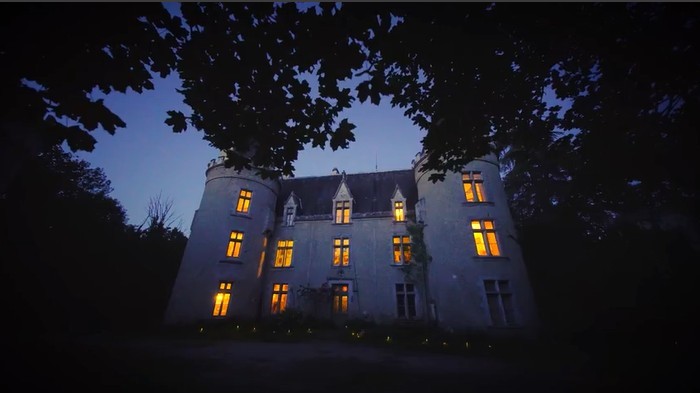
The Château de Fugiré, a medieval fortress built in the 14th century in western France, has gained notoriety as the country's "most haunted castle." Originally constructed for defense, it now draws visitors from across regions seeking experiences with ghost stories, apparitions, and alleged paranormal phenomena. Even before arriving, visitors often receive warnings, with one taxi driver reportedly refusing to enter the property due to knowledge of strange occurrences experienced by others. The castle's current owners, historian Véronique and her husband François, purchased it in 2009. Véronique initially dreamed of living in a castle but soon felt a constant male presence, while François reported being touched by unseen hands in the garden. Over time, they claim to have witnessed objects moving on their own, vibrating beds, and disembodied voices.
The couple has learned to coexist with these perceived entities, whom they call "The Invisibles," believing many are former residents. Attempts to sell the castle were thwarted by its haunted reputation, leading the owners to embrace it as part of the property's history. Each room within the castle is associated with a specific story, including one linked to Félix, a former resident who died there in the 19th century, and another belonging to Alice, who married in 1924 and died shortly after from an infection. A hidden chapel also recalls the French Revolution, a time when religious practice could be punishable by death. The castle has become a destination for paranormal investigators who rent rooms to record unexplained sounds and for tourists seeking a weekend stay, with the activity helping to fund the castle's upkeep. Despite numerous accounts, some visitors, including reporters who spent a night there, reported no unusual phenomena, prompting Véronique to emphasize that the site should be approached with empathy and respect, not as a mere horror attraction.
The narrative surrounding Château de Fugiré highlights a common phenomenon where historical properties acquire folkloric reputations, influencing tourism and local lore. The owners' embrace of the 'haunted' narrative transforms a historical asset into a unique cultural and economic driver, potentially sustaining the preservation of the physical structure. This symbiotic relationship between history, alleged paranormal activity, and tourism raises questions about how societies engage with the past and the unseen. From a systems perspective, the castle's evolution from a military stronghold to a paranormal attraction demonstrates adaptability and the creation of new value propositions in the cultural heritage sector. The economic viability derived from supernatural tourism underscores a broader trend of monetizing mystery and historical intrigue, prompting consideration of the long-term implications for authenticity and historical interpretation in the face of commercial interest.
AI-generated to prompt reflection — not editorial opinion, not advice, not a statement of fact. How this works.