France's National Team Embraces 'The Bad Guys' Nickname Amidst World Cup Semifinal Clash
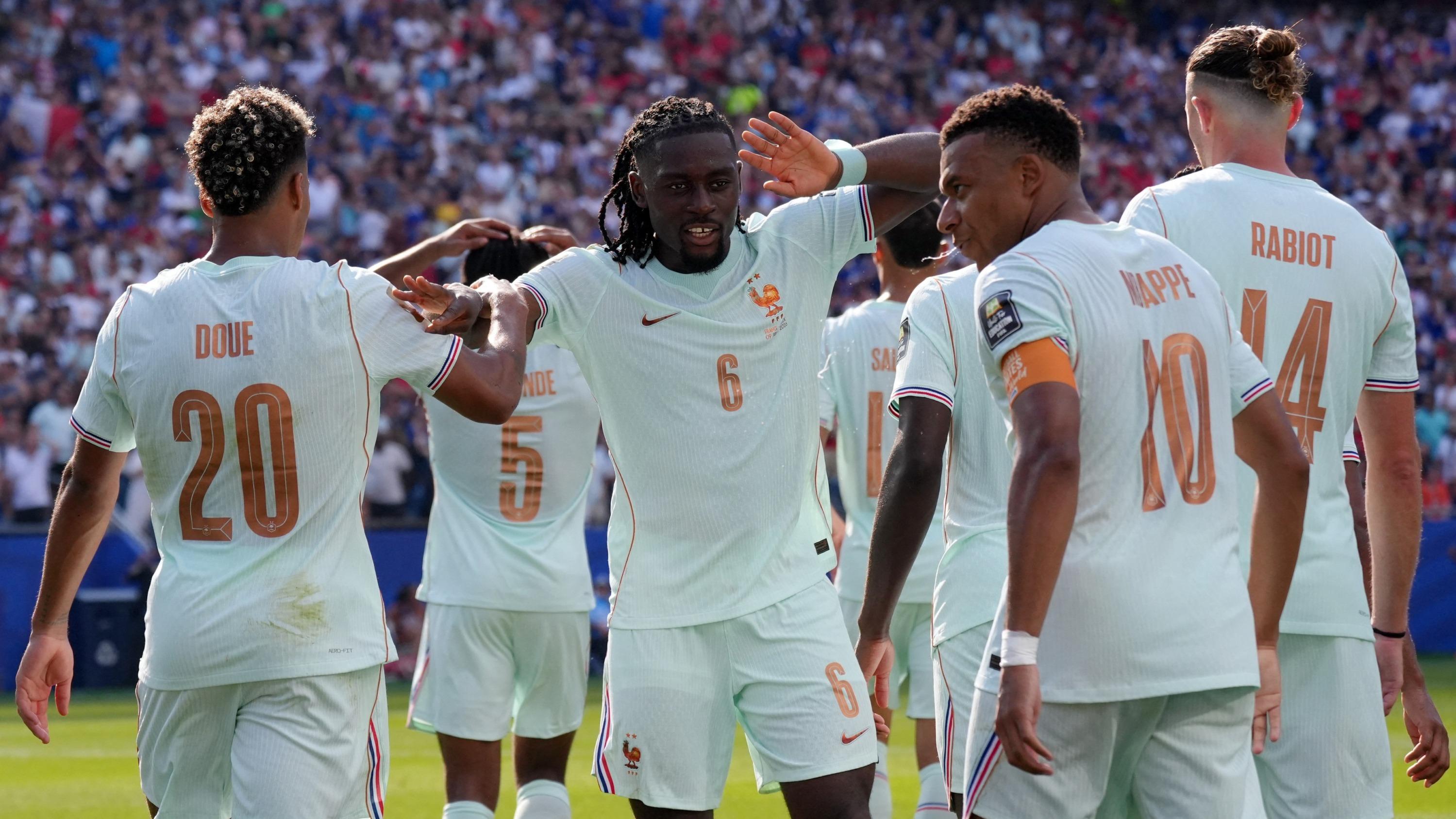
The French national team, highly anticipated for their World Cup semifinal match against Spain on Tuesday, has adopted a nickname that reflects their public image. This moniker, 'the bad guys,' has become associated with the team's playing style and perceived demeanor. The team's self-given title suggests a deliberate cultivation of an aggressive and formidable reputation on the international stage. This approach may be intended to intimidate opponents and rally their own supporters. The nickname implies a strategic mindset where the team embraces a role that is perceived as tough and uncompromising. As they head into a crucial semifinal, this chosen identity could play a significant role in their psychological preparation and performance. The team's willingness to be labeled 'the bad guys' highlights a potential shift in how they wish to be perceived, moving away from traditional notions of sportsmanship towards a more combative persona.
The French national team's adoption of the 'bad guys' moniker for themselves, particularly heading into a high-stakes World Cup semifinal, suggests a strategic framing of their competitive identity. This self-labeling may serve to foster internal cohesion and external intimidation, leveraging psychological dynamics within the sport. From a systems perspective, such branding can influence fan engagement and media narratives, potentially creating a self-fulfilling prophecy of aggressive play. In the evolving landscape of global sports, where narratives are as crucial as performance, this deliberate persona management reflects a sophisticated understanding of competitive advantage beyond pure athletic skill. The long-term impact of such an identity on team culture and public perception warrants observation as it navigates future tournaments and societal expectations.
AI-generated to prompt reflection — not editorial opinion, not advice, not a statement of fact. How this works.