France's Soccer Stars and Far-Right Politics Clash Over National Identity
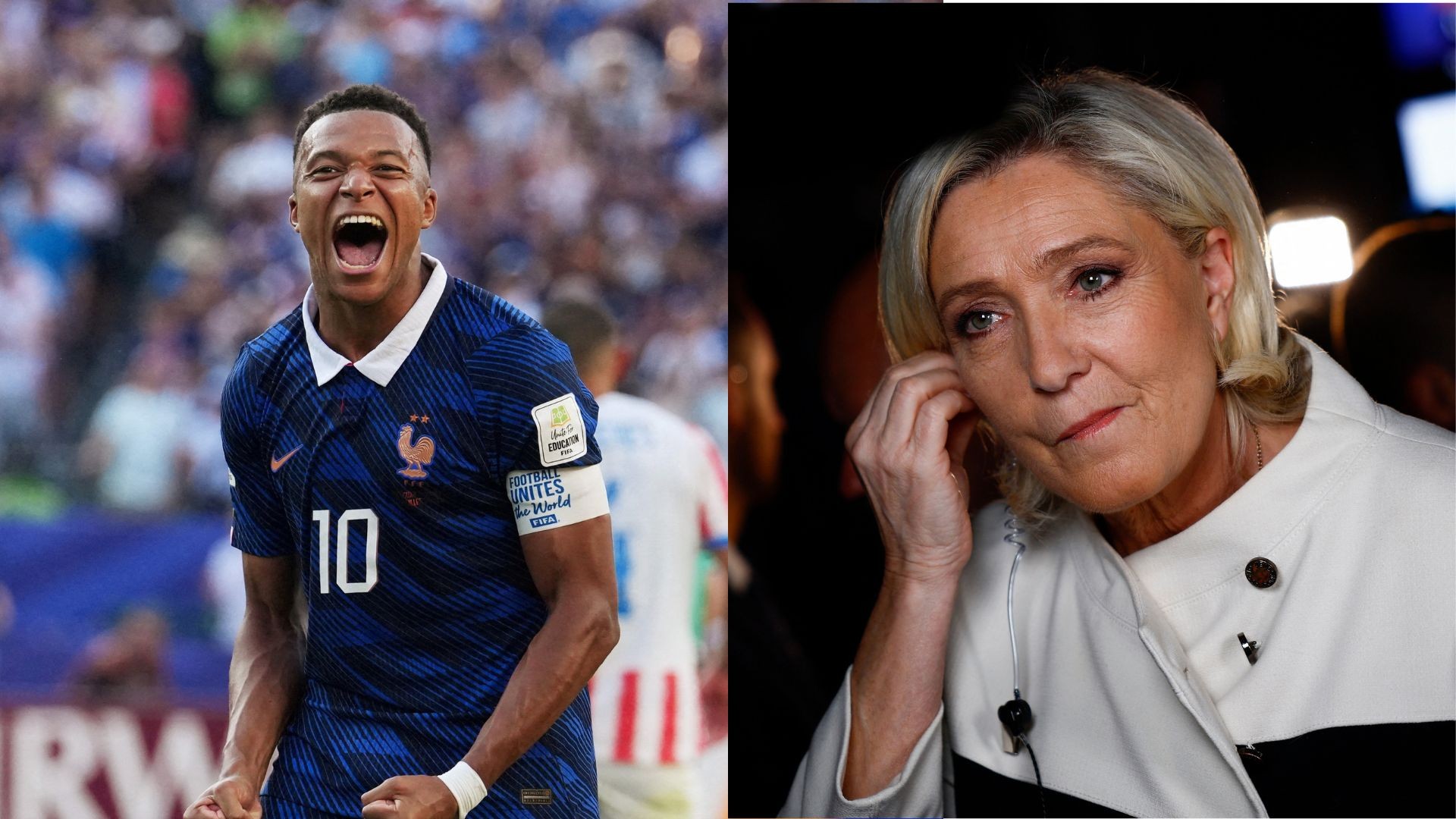
The French national soccer team, led by captain Kylian Mbappé, is advancing in the World Cup, mirroring Marine Le Pen's rising poll numbers in France's presidential race. Historically, the team, known as 'Les Bleus,' and far-right politicians have been at odds. The team's multicultural makeup, a reflection of France's immigrant-shaped society, starkly contrasts with the anti-immigration rhetoric of Le Pen's National Rally (RN) party. Many players, including Mbappé, have parents from former French colonies like Cameroon and Algeria, emphasizing their French identity while advocating for civic participation. Mbappé has used his platform to urge young people to vote, calling the rise of far-right parties a "catastrophe" and warning about the country's future. Other players like Ousmane Dembélé, Jules Koundé, and Marcus Thuram echo his activism, drawing criticism from Le Pen and her vice-president, Jordan Bardella. While the far-right once openly questioned player diversity, they now find it difficult to criticize the successful team. Le Pen has shifted her criticism, labeling the players as elitist and out of touch with ordinary French citizens, questioning their activism given their high earnings. Mbappé, however, donates his prize money to charity, stating he doesn't need to be paid to represent his country. Analysts note that the diverse team highlights France's societal "grand mélange" and contrasts with the RN's identity politics. The team's success and diversity are seen as a source of national pride, making the far-right's exclusionary message increasingly apparent.
The dynamic between France's celebrated, diverse national soccer team and the country's far-right political movement highlights a fundamental tension in national identity. The team's success and multicultural composition serve as a potent counter-narrative to exclusionary political platforms, demonstrating how cultural integration can be a source of strength and pride. This juxtaposition raises questions about the evolving definition of French citizenship and belonging in the 21st century. As globalized societies become increasingly diverse, political movements that rely on rigid, ethno-nationalist definitions of identity may face challenges in reconciling with lived realities and popular cultural touchstones. The future may see a continued struggle between narratives of inclusive, meritocratic national identity and those emphasizing historical or cultural purity.
AI-generated to prompt reflection — not editorial opinion, not advice, not a statement of fact. How this works.