France's World Cup Loss to England: Special Envoy's Reflections
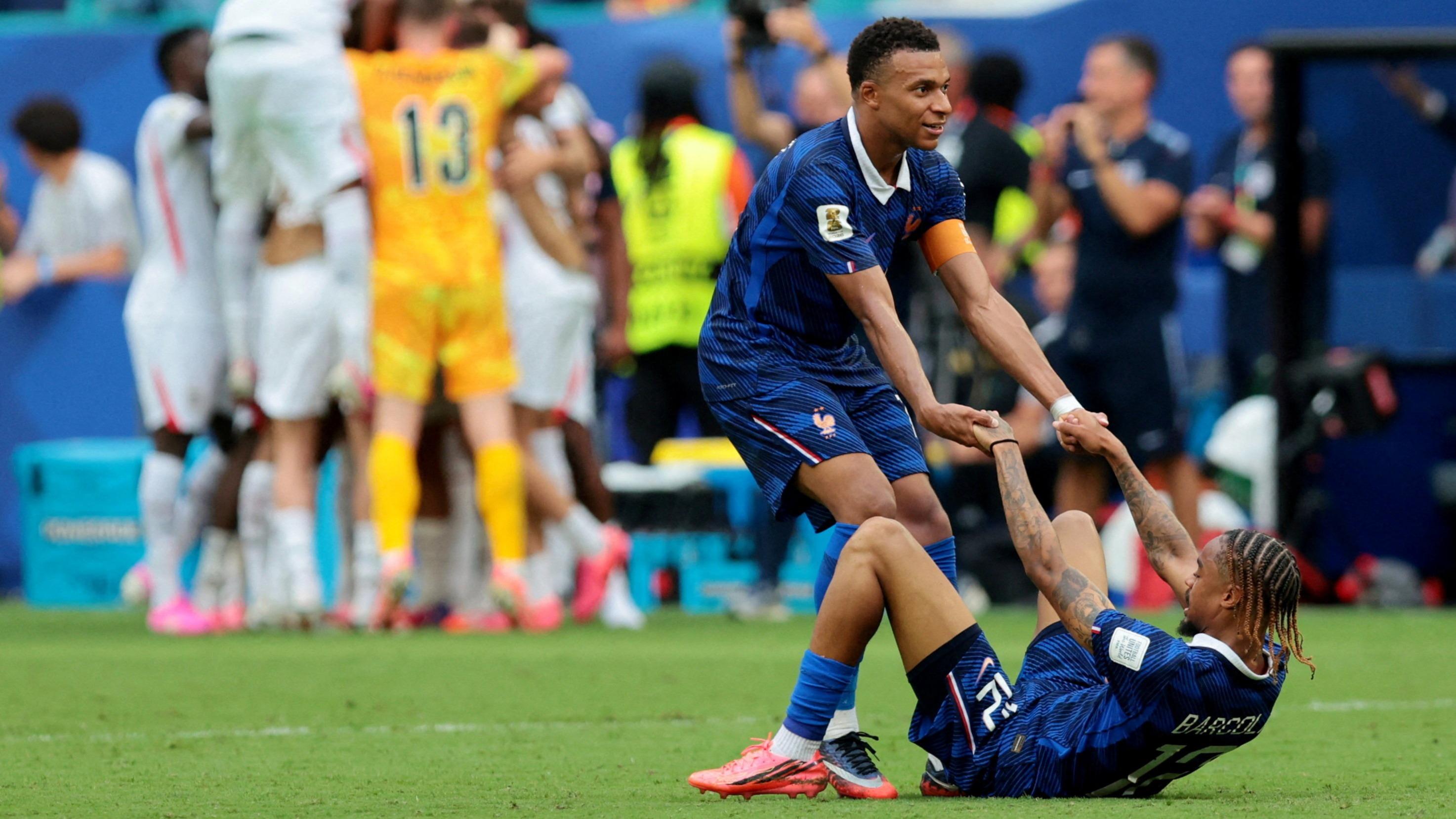
Our special correspondent shared their thoughts following the French team's defeat against England in the third-place playoff of the World Cup. The match concluded with a score of 4-6, resulting in a loss for the French squad. The correspondent highlighted specific moments and players, offering both praise and criticism based on their observations from the event. The report details what aspects of the game and the team's performance resonated positively and which ones drew disapproval. This reflection provides an insider's perspective on the emotional and tactical landscape of the match. The outcome of this game determined the final standings for the third and fourth positions in the tournament. The correspondent's analysis aims to capture the nuances of the French team's performance beyond the final scoreline. Specific player mentions, such as Mbappé's demeanor and Cherki's involvement, are noted as points of interest. The overall sentiment captures a mix of admiration for certain elements and disappointment with others.
The French team's performance in the World Cup third-place playoff against England, ending in a 4-6 loss, presents an opportunity to examine team dynamics and strategic execution under pressure. While individual player performances like Mbappé's composure and Cherki's contributions are noted, the final score suggests potential challenges in defensive solidity or offensive conversion efficiency. The analysis of 'likes and dislikes' from a special envoy offers qualitative insights into team morale and tactical coherence. Moving forward, understanding how these qualitative observations align with quantitative performance metrics can inform future training regimens and player development strategies. The team's ability to adapt to competitive pressures and maintain consistency across different match scenarios will be crucial for sustained success in upcoming international tournaments, particularly in the context of evolving global football strategies and the increasing influence of data analytics in performance optimization.
AI-generated to prompt reflection — not editorial opinion, not advice, not a statement of fact. How this works.