France's Young Attacking Talent: How Long Can They Stay Together?
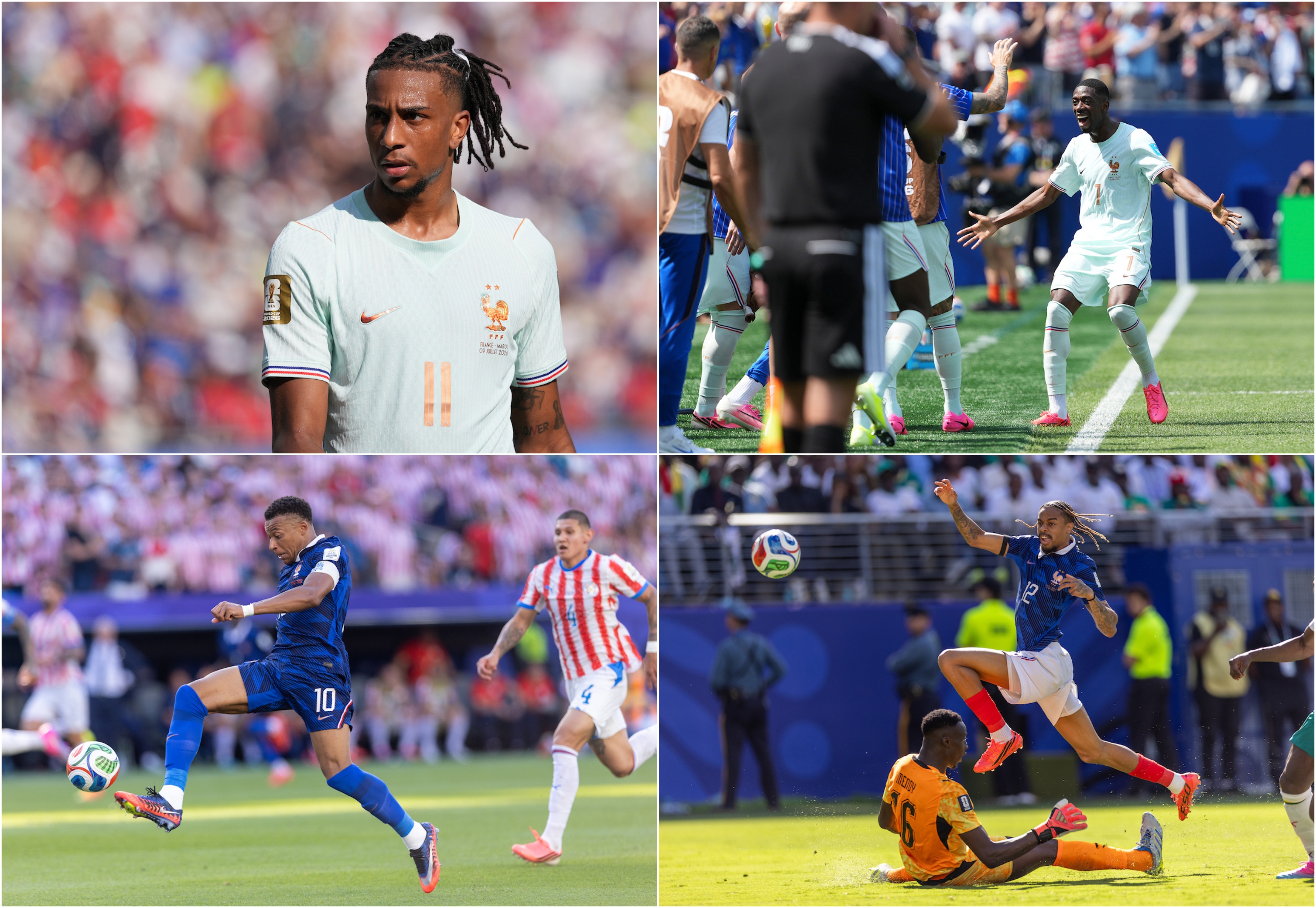
France's offensive lineup, featuring stars like Kylian Mbappé, Ousmane Dembélé, Michael Olise, and Bradley Barcola, proved highly productive, reaching the semifinals of the 2026 World Cup. The team showcased one of the tournament's most potent attacks, highlighting the potential of these young players. However, a key question arises regarding the longevity of this core group of footballers. Their collective success in the 2026 World Cup raises discussions about their future together on the national team. The emergence of Olise and Barcola alongside established talents like Mbappé and Dembélé suggests a strong future for France's offense. The challenge will be to maintain this talented group's cohesion and availability for future tournaments. Factors such as player development, club commitments, and potential transfers could influence their continued presence as a unit. The article poses the question of how many more World Cups this formidable attacking nucleus can participate in together.
The French national team's offensive success in the 2026 World Cup, driven by a blend of established and emerging talents, highlights a strategic advantage in player development and talent identification. The potential for this young core to remain together presents an opportunity for sustained competitive performance. However, the inherent dynamics of professional football, including player career trajectories, club allegiances, and the competitive transfer market, pose significant challenges to maintaining such a cohesive unit over multiple tournament cycles. Future success will likely depend on effective squad management, player retention strategies, and the ability to integrate new talent seamlessly, ensuring France remains a contender in the evolving landscape of international football.
AI-generated to prompt reflection — not editorial opinion, not advice, not a statement of fact. How this works.