France Shuts Nuclear Reactors Due to Heat; India's Nuclear Power Faces Similar Risks?
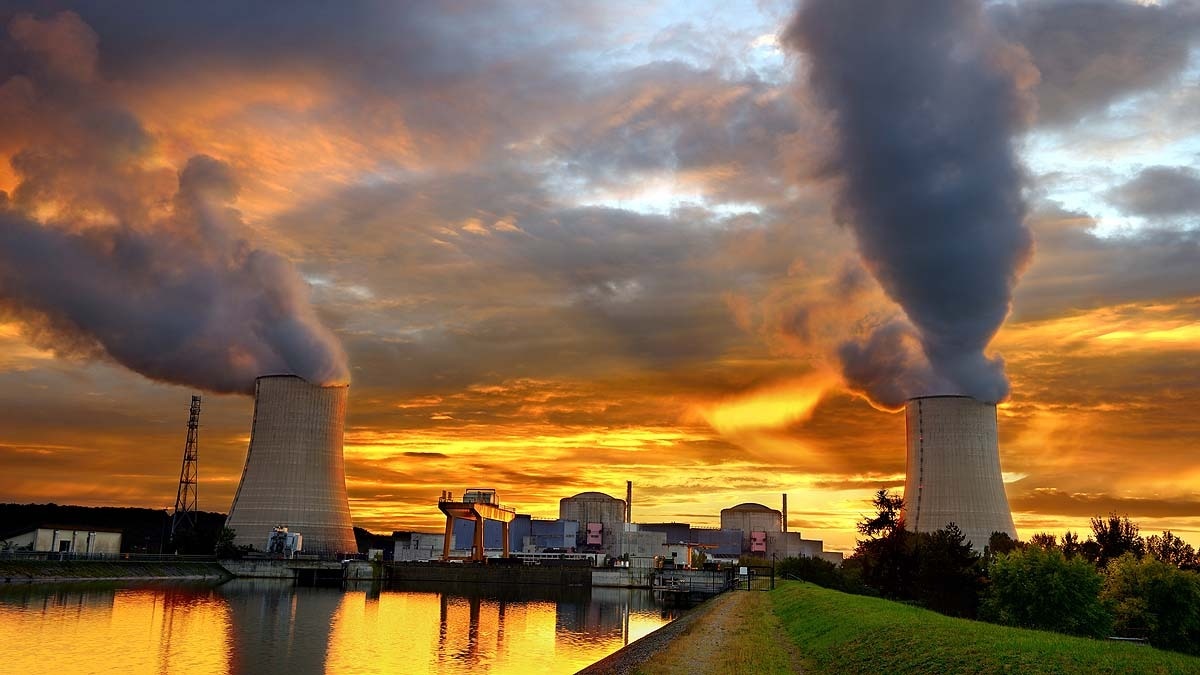
Three nuclear reactors in France have been shut down due to rising temperatures and elevated river water temperatures. This situation has raised concerns about the potential impact of extreme heat on nuclear power plants in India. The question is whether India's nuclear power facilities could face similar operational challenges in the future. The reliance on river water for cooling is a critical factor for nuclear power generation globally. Extreme heat waves can lead to water scarcity or increase the temperature of available water sources, making them unsuitable for cooling purposes. This can force plants to reduce power output or shut down entirely to prevent overheating and potential damage. The French situation highlights the vulnerability of existing nuclear infrastructure to climate change impacts. As global temperatures continue to rise, other nations with nuclear power programs, including India, may need to reassess their cooling strategies and infrastructure resilience. This could involve investing in alternative cooling technologies or implementing stricter operational protocols during heat waves. The long-term sustainability of nuclear power may depend on its ability to adapt to a changing climate.
The shutdown of French nuclear reactors due to heat underscores the critical interdependence between energy infrastructure and environmental conditions, particularly in the context of climate change. This event prompts an examination of the resilience of nuclear power generation globally, including in India, against rising ambient temperatures and thermal pollution concerns. Future-proofing such facilities will likely require proactive adaptation strategies, such as diversifying cooling methods beyond river water, optimizing plant operations during extreme weather, and potentially re-evaluating site selection criteria for new builds. The challenge lies in balancing the imperative for reliable, low-carbon energy with the environmental constraints imposed by a warming planet, necessitating innovative engineering and robust regulatory frameworks to ensure safety and sustainability.
AI-generated to prompt reflection — not editorial opinion, not advice, not a statement of fact. How this works.