France Swelters in 41°C Heatwave, Eiffel Tower and Louvre Reduce Hours
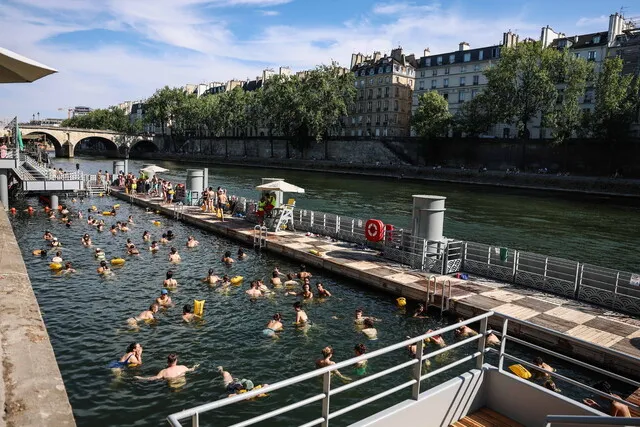
France is experiencing a severe heatwave, with temperatures reaching up to 41 degrees Celsius (105.8 degrees Fahrenheit). This extreme heat has led to the partial closure of major tourist attractions, including the Eiffel Tower and the Louvre Museum. Visitors reported experiencing heatstroke while waiting in long queues to enter these iconic landmarks. The reduced operating hours are a precautionary measure to ensure the safety and well-being of both visitors and staff during the dangerous heat. Authorities are advising residents and tourists to stay hydrated, seek cool environments, and avoid strenuous outdoor activities. The heatwave is impacting various regions across France, straining emergency services and highlighting the need for adaptation to rising global temperatures. The current situation underscores the vulnerability of public spaces and tourism infrastructure to extreme weather events.
The extreme heatwave in France, evidenced by 41°C temperatures and its impact on major tourist sites like the Eiffel Tower and the Louvre, highlights the growing systemic risks posed by climate change to global tourism and urban infrastructure. The reported cases of heatstroke among visitors waiting in queues point to a potential mismatch between existing visitor management protocols and the escalating frequency and intensity of extreme weather events. Future urban planning and tourism management strategies will need to integrate climate resilience more deeply, considering adaptive cooling solutions, revised operating hours based on real-time climate data, and enhanced public health advisories. This event serves as a case study for how climate change necessitates a re-evaluation of operational continuity for cultural and economic hubs worldwide, prompting a need for proactive adaptation rather than reactive measures.
AI-generated to prompt reflection — not editorial opinion, not advice, not a statement of fact. How this works.