France Tightens Scrutiny on Foreign Investments in Strategically Sensitive Sectors
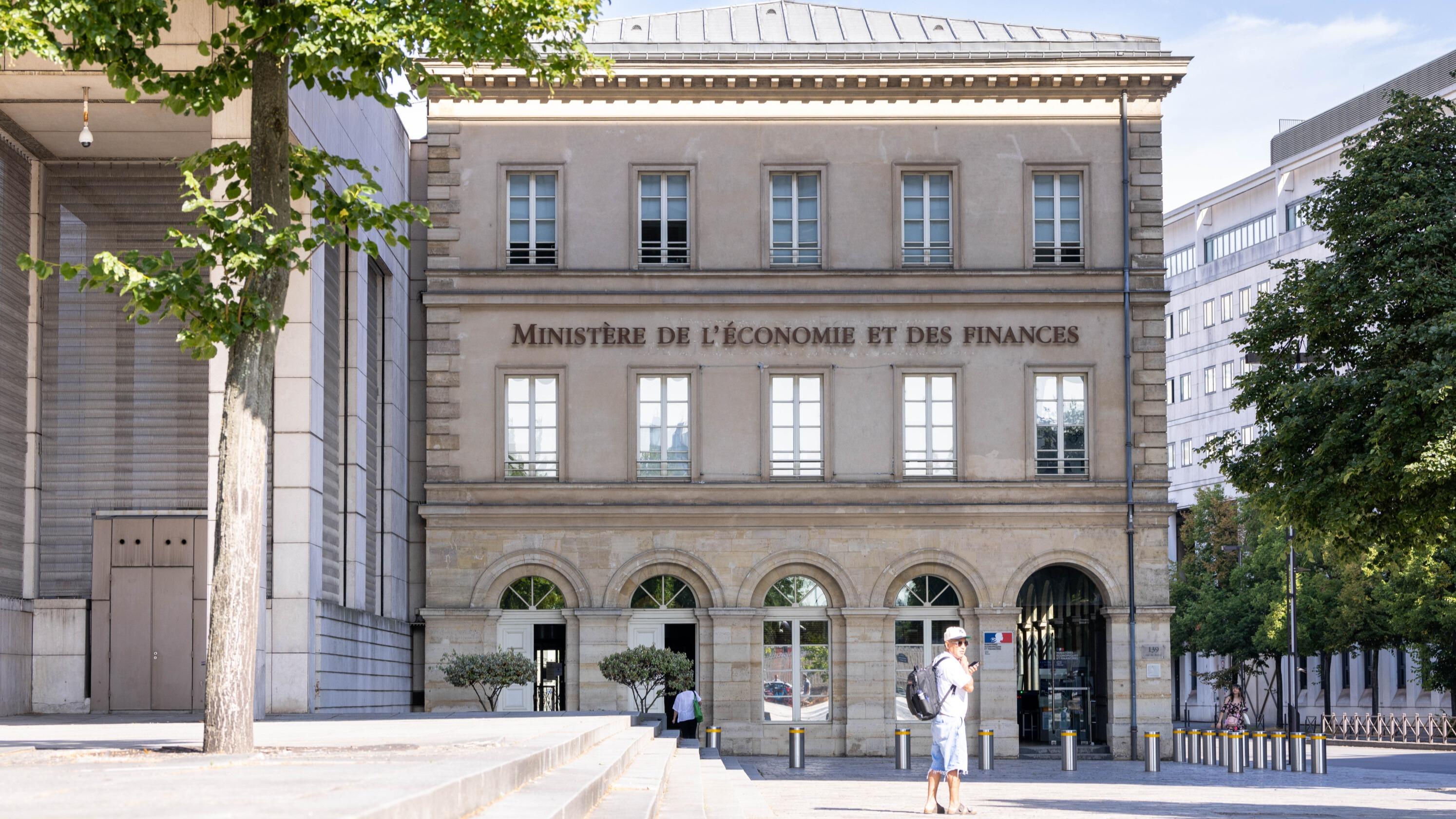
The French Ministry of the Economy, Finance and Industrial and Digital Sovereignty (Bercy) is enhancing its oversight of foreign investments, particularly those targeting strategically sensitive activities within the country. This move aims to bolster national security and economic resilience by ensuring greater control over foreign capital flows into critical sectors. Under the revised regulations, foreign investors will be required to seek explicit authorization from Roland Lescure, the Minister Delegate for Industry and Energy, in specific circumstances. This intensified scrutiny reflects a global trend of countries reassessing foreign investment rules to protect domestic industries and technological advancements. The French government's decision underscores its commitment to safeguarding its economic interests and maintaining sovereignty over key areas of its economy. The specific criteria for when such authorization is needed are expected to be detailed further, but the overarching goal is to prevent potential risks associated with foreign ownership of strategically important assets. This policy adjustment signals a more cautious approach to foreign direct investment, prioritizing national security and strategic autonomy.
France's decision to strengthen oversight of foreign investments in sensitive sectors reflects a growing global concern over national security and economic sovereignty in an era of increasing cross-border capital flows. By requiring explicit authorization for certain investments, the government aims to mitigate potential risks associated with foreign control of critical infrastructure, technology, and industries. This policy adjustment, while potentially deterring some foreign capital, prioritizes long-term strategic interests and resilience over short-term economic gains. The move aligns with a broader trend of nations re-evaluating their investment screening mechanisms to balance openness with protectionism, particularly in light of geopolitical shifts and technological competition. Future implications may include a more complex investment landscape for foreign entities and a potential shift in investment patterns as businesses adapt to heightened regulatory scrutiny.
AI-generated to prompt reflection — not editorial opinion, not advice, not a statement of fact. How this works.
