France to Ban Fossil Fuel Advertising After 5-Year Delay
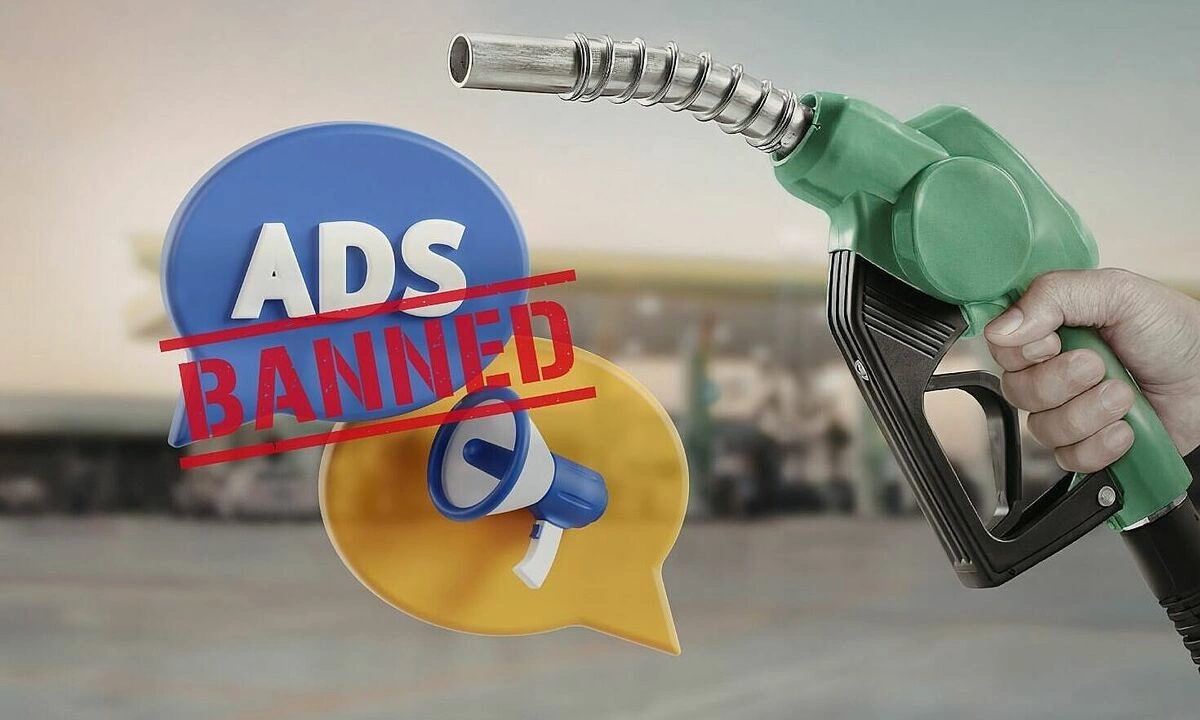
France has announced plans to prohibit advertisements for fossil fuels, including imported products, following a five-year delay in implementation. This significant regulatory shift aims to accelerate the transition towards cleaner energy sources. The ban is intended to discourage the promotion of fossil fuels and encourage greater adoption of renewable and sustainable energy alternatives.
This measure is part of France's broader strategy to combat climate change and meet its environmental commitments. By restricting the visibility of fossil fuel products in advertising, the government hopes to influence consumer behavior and foster a market more receptive to green energy solutions. The delay in enacting the ban suggests a complex balancing act between environmental goals and economic considerations.
The French government's decision to ban fossil fuel advertising, albeit delayed, reflects a growing global trend of regulatory intervention aimed at mitigating climate change impacts. This policy move signals a potential shift in market dynamics, where the visibility and perceived desirability of fossil fuels could diminish, creating an opening for renewable energy competitors. Such bans can influence public perception and investment flows, aligning economic incentives with environmental objectives. However, the five-year delay indicates the challenges in navigating industry resistance and potential economic repercussions, highlighting the ongoing tension between immediate economic interests and long-term sustainability goals. The effectiveness of this ban will likely depend on complementary policies that actively support the growth of clean energy alternatives and ensure a just transition for affected industries and workers.
AI-generated to prompt reflection — not editorial opinion, not advice, not a statement of fact. How this works.