France to Employ Private Firms in Drone Interception Efforts
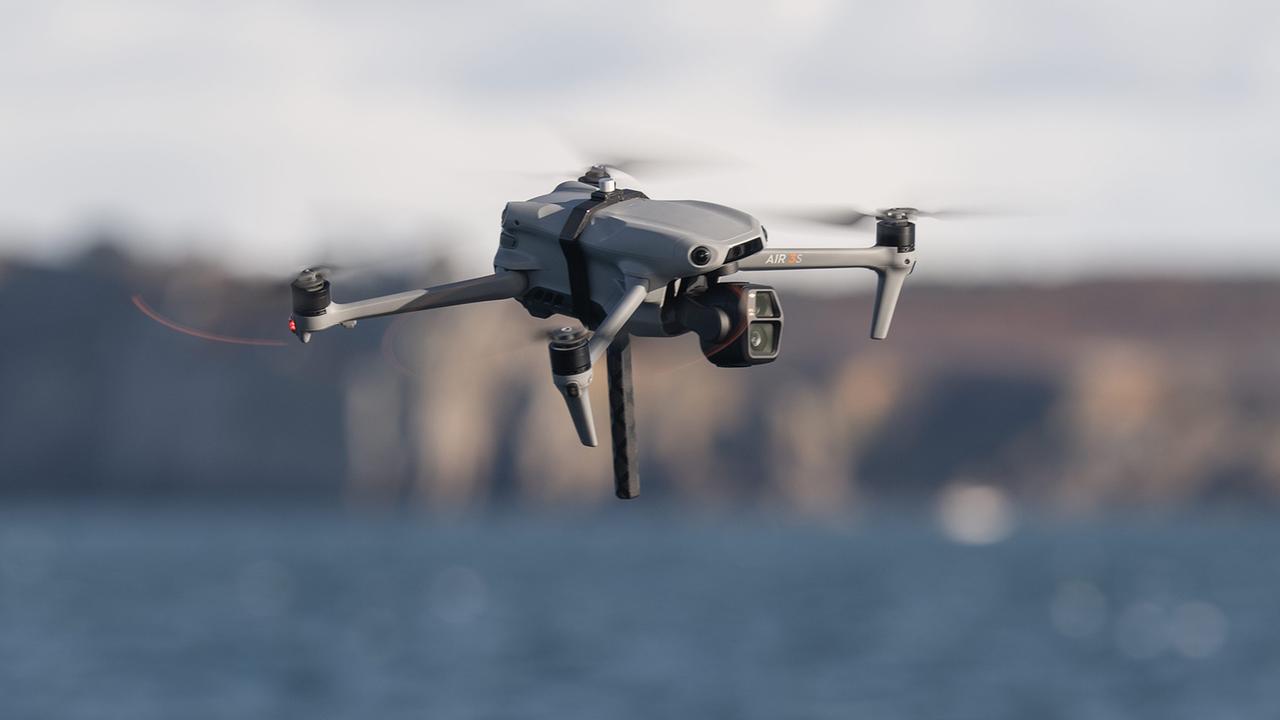
France is planning to utilize private companies in its efforts to counter and intercept drones. These private firms are actively developing technologies aimed at capturing unidentified aerial vehicles. However, the implementation of this strategy is currently facing numerous unresolved legal questions. The initiative signifies a new approach to airspace security, potentially expanding the capabilities beyond government agencies alone. The development of these specialized drone interception techniques by private entities suggests a growing market for counter-drone solutions. As these technologies mature, the regulatory framework will need to adapt to accommodate their deployment and operation. The involvement of private companies raises considerations regarding accountability, data privacy, and the rules of engagement in airspace defense. The specific legal hurdles and the timeline for their resolution remain unclear, posing a challenge to the swift deployment of these new capabilities. This move reflects a broader trend of public-private partnerships in critical security sectors.
France's move to integrate private sector capabilities into drone defense highlights a global trend driven by the increasing proliferation of unmanned aerial systems and the limitations of traditional state-led security apparatuses. This public-private partnership model leverages specialized technological innovation and operational agility from commercial entities. However, the reliance on private firms necessitates robust oversight mechanisms to ensure compliance with national security protocols, data protection laws, and international norms, particularly concerning potential overreach or misuse of surveillance technology. The unresolved legal questions underscore the complex interplay between technological advancement, national sovereignty, and civil liberties, requiring careful legislative and regulatory development to balance security imperatives with individual rights and to establish clear lines of accountability in a rapidly evolving threat landscape.
AI-generated to prompt reflection — not editorial opinion, not advice, not a statement of fact. How this works.