France to Enhance Professional Project Coherence for Training Fund Applications
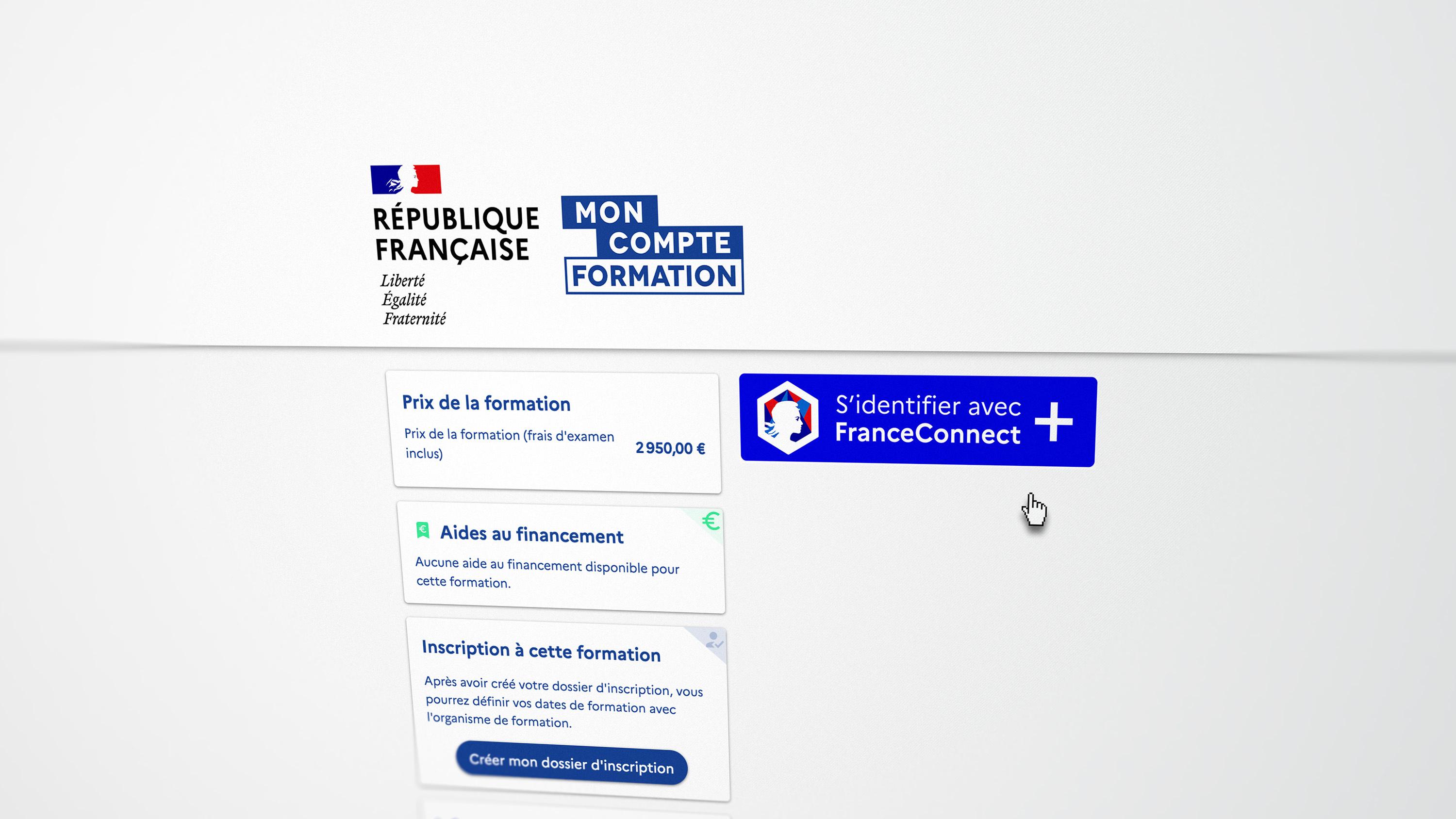
France is implementing new measures to strengthen the coherence of professional projects for individuals seeking training assistance through the Compte personnel de formation (CPF). Effective immediately, applicants must complete a questionnaire detailing their professional aspirations before they can access this funding. This initiative aims to ensure that the training pursued aligns more closely with the applicant's career goals. The government's objective is to improve the effectiveness of the CPF by directing resources towards training that demonstrably supports career development and employability. This change is expected to lead to more targeted and impactful training outcomes for job seekers and employees alike. The questionnaire will serve as a key tool in assessing the viability and relevance of proposed training programs in relation to the individual's long-term professional trajectory. By requiring this upfront assessment, French authorities hope to reduce instances of training that does not lead to tangible career advancement.
The French government's introduction of a mandatory questionnaire for the Compte personnel de formation (CPF) reflects a strategic pivot towards optimizing public investment in vocational training. By requiring applicants to articulate their professional projects, the state seeks to mitigate potential misallocations of funds towards training that may not align with labor market demands or individual career progression. This policy shift emphasizes a data-driven approach to workforce development, aiming to enhance the return on investment for both the state and the individual. The long-term implications may involve a more competitive landscape for training providers, incentivizing them to offer programs with demonstrable career outcomes. This move could also foster greater individual accountability in career planning, encouraging a more proactive engagement with professional development.
AI-generated to prompt reflection — not editorial opinion, not advice, not a statement of fact. How this works.