France: Verdict Looms - Could Le Pen Become President in 2027?
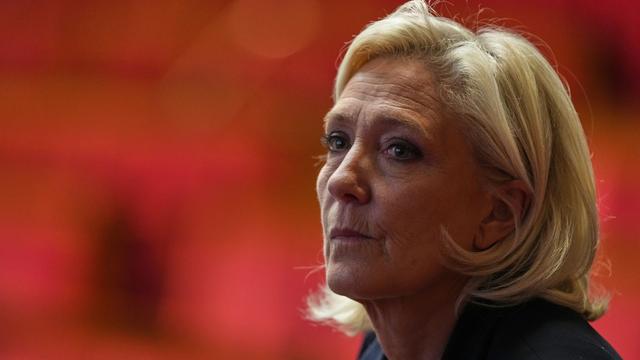
The question of whether Marine Le Pen can become President of France in 2027 is once again at the forefront of political discussion. Following recent political developments and the upcoming verdict in a significant legal case, attention is turning towards the potential of Le Pen and her National Rally party to secure the presidency. Le Pen has been a prominent figure in French politics for years, consistently challenging the established political order. Her party has seen a rise in popularity, particularly among voters disillusioned with traditional parties. The outcome of the impending legal proceedings could have a substantial impact on her political future and her party's prospects. The French presidential election in 2027 is seen by many as a critical juncture for the country's political landscape. Observers are closely monitoring the legal case, anticipating its potential to influence public opinion and voter sentiment. The broader political climate in France, characterized by ongoing debates on immigration, national identity, and economic policies, provides a backdrop against which Le Pen's presidential ambitions are being assessed. The potential for a National Rally victory in 2027 remains a significant topic of speculation and analysis among political commentators and the electorate.
The potential rise of Marine Le Pen to the French presidency in 2027 is a complex interplay of electoral dynamics, public sentiment, and legal frameworks. Political parties often leverage legal outcomes and public discourse to shape voter perception and mobilize support. The anticipation of a verdict introduces an element of uncertainty that can either galvanize a candidate's base or create headwinds, depending on the nature of the ruling and its public reception. Analyzing this through a future-oriented lens, the increasing polarization of political landscapes globally suggests that established political norms are being challenged. The long-term implications for European political stability and economic integration will depend on how such shifts are managed within democratic institutions. Voters' decisions in 2027 will reflect not only immediate concerns but also evolving societal values and trust in governance structures.
AI-generated to prompt reflection — not editorial opinion, not advice, not a statement of fact. How this works.