FRAPP Opposes Senegal's Support for Macky Sall's UN Secretary-General Bid
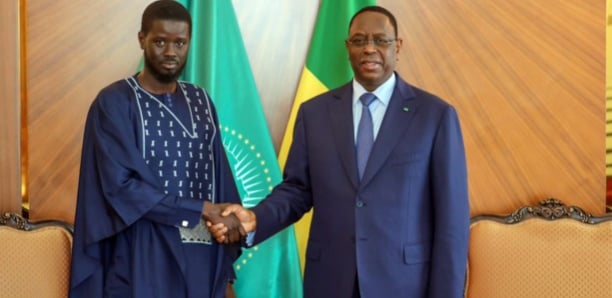
The Front for a Popular and Pan-African Anti-Imperialist Revolution (FRAPP) has voiced strong opposition to any potential support from the Senegalese state for former President Macky Sall's bid to become the next United Nations Secretary-General. The movement announced its stance in a released statement, indicating they became aware of the situation through a prior communication from the former President. FRAPP's position signals a significant internal political division regarding Sall's international aspirations. The group's name itself, emphasizing anti-imperialism and popular revolution, suggests a critical perspective on the former president's alignment with global powers. This opposition raises questions about the domestic political landscape in Senegal and the level of consensus surrounding its former leader's potential new role on the world stage. The FRAPP's statement implies that such support would be contrary to their principles and potentially detrimental to Senegal's national interests as they perceive them. Further details on the specific reasons for FRAPP's objection and the extent of potential state support remain to be fully elaborated.
The FRAPP's opposition to Macky Sall's potential UN candidacy highlights a divergence in political perspectives within Senegal regarding its former leader's international standing. This situation invites an examination of the domestic political incentives that might drive such opposition, potentially stemming from criticisms of Sall's past governance or a desire to assert a distinct national identity on the global stage. From a governance perspective, the Senegalese state's decision on whether to support Sall's bid could be influenced by a complex interplay of diplomatic relations, national pride, and internal political considerations. Evaluating this event through a future-oriented lens, the increasing interconnectedness of global governance and national interests suggests that such candidacies are often shaped by both established geopolitical dynamics and the evolving demands for leadership that reflect diverse global priorities.
AI-generated to prompt reflection — not editorial opinion, not advice, not a statement of fact. How this works.