Fraud Ring Stole R$45 Million from Caixa Clients, Leaked Court Documents Aided Them
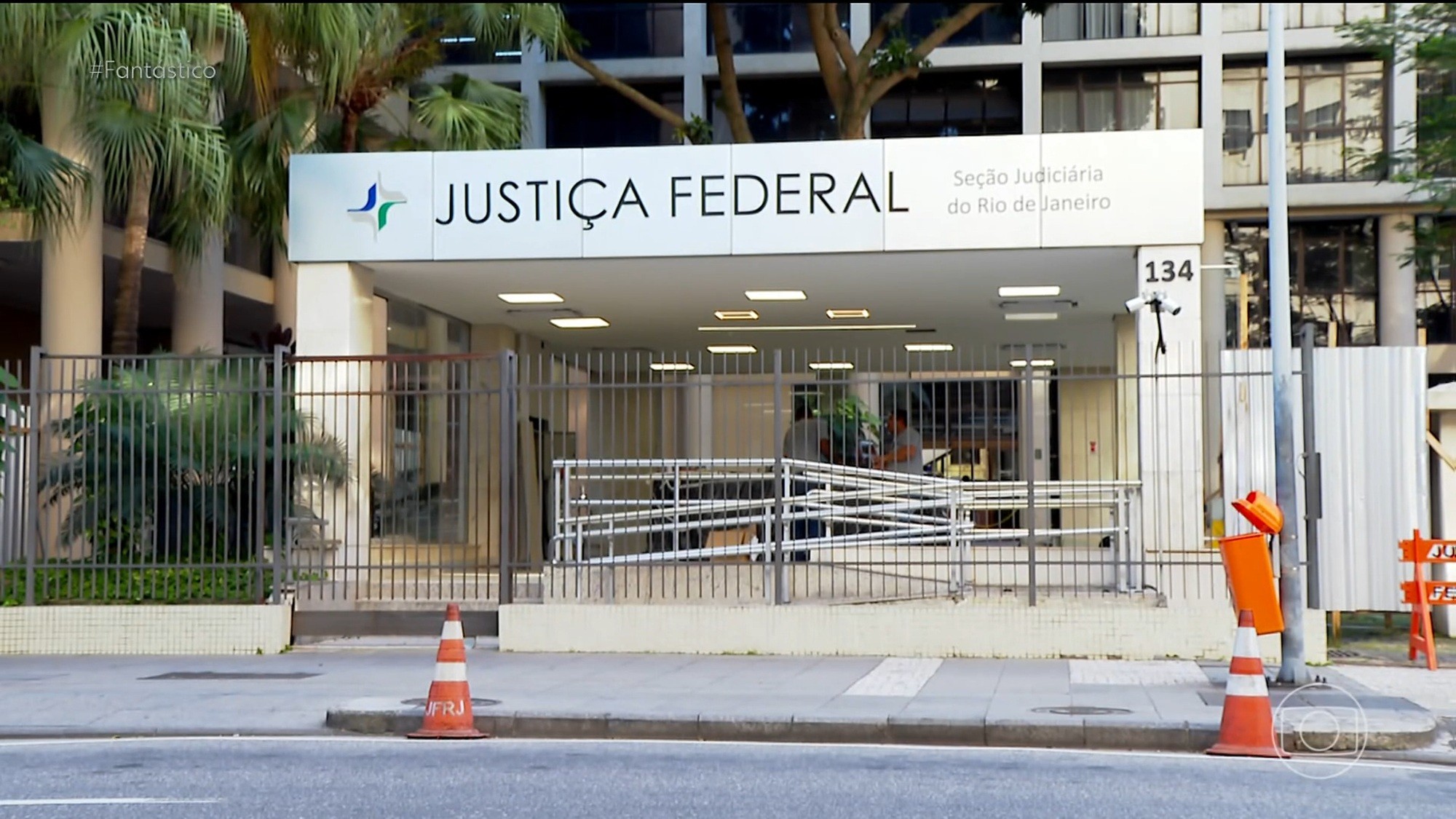
A criminal organization has been accused of defrauding clients of Caixa Econômica Federal, a Brazilian federal savings bank, of approximately R$45 million. The group allegedly obtained advance knowledge of a federal court operation targeting them through a leaked confidential document. This allowed the criminals, nearly a month before federal police raids, to begin erasing digital files, concealing assets, and preparing for law enforcement's arrival. Despite their efforts to destroy evidence, investigators were able to trace the leak, which ultimately led to their apprehension. The investigation, initiated in 2025, uncovered a scheme where perpetrators accessed victims' bank accounts, including those of FGTS and emergency aid beneficiaries, to steal funds. The federal police reported that some victims were forced to forgo essential purchases like medicine and food, while the stolen money financed the suspects' lavish lifestyles. The operation identified two main operational hubs: one in São Paulo, led by Matheus Casado Natário and Isabely Alves de Sousa, who allegedly managed fraud operations and victim account access, and established an offshore company in the British Virgin Islands to obscure asset recovery and utilized cryptocurrencies for illicit funds. The second hub, in Rio de Janeiro, was reportedly headed by Jader Henrique Areas de Almeida, who coordinated the group's activities, confirmed fraudulent actions, scheduled the scams, and distributed victim data. Enzo Grillo Filho is identified by the federal police as the financial operator, acting as a frontman for Jader and facilitating the movement of stolen funds between São Paulo and Rio de Janeiro. The leak of the judicial decision, which was under seal and accessible only to authorized court personnel, was discovered through analysis of the suspects' mobile phones. Although the group leader attempted to delete the message containing the document, a copy was found in his phone's notes application, revealing a conversation where he shared it with an accomplice, who then commented on the need to 'shield assets.' The investigation shifted focus to understanding how this confidential court order reached the criminal leader. Federal police traced the initial access to Jackson Cozendey, a federal court employee, who allegedly had no legitimate reason to access the case files and is considered the primary source of the confidential information, reportedly in exchange for payments. Internet records indicate that Cozendey's access originated from the law office where his wife, Gabrielle Cozendey, works. While Gabrielle Cozendey declared a monthly income of R$5,200, federal police audits revealed her accounts handled R$1.74 million over six months. The defense for Jackson Cozendey and Gabrielle Cozendey denies any connection to the case. Federal police suspect a coordinated effort by at least three court employees to facilitate the document's release. Additionally, audio recordings suggest Jader Almeida considered a plan to assassinate the lead federal investigator, a plan that was ultimately not executed. Defenses for Matheus Casado, Isabely Alves, and Jader Almeida did not respond to requests for comment, and lawyers for Enzo Grillo Filho were unreachable. Federal police and the Public Prosecutor's Office declined to be interviewed, but it is understood they are seeking further search and seizure warrants to be executed within the federal court system itself. The Federal Court of Appeals (TRF) has not commented on the ongoing investigation.
This case highlights significant vulnerabilities within judicial information security systems, where a leak of a sealed court order appears to have directly enabled a sophisticated fraud ring to evade law enforcement. The alleged involvement of a federal court employee and the substantial financial activity of their spouse suggest potential systemic issues in internal controls and oversight within the judiciary. The use of offshore entities and cryptocurrencies by the criminal group underscores the evolving tactics employed by organized crime to obscure illicit financial flows, posing ongoing challenges for asset recovery and prosecution. Future efforts to combat such crimes may require enhanced digital security protocols within judicial institutions, more robust financial intelligence sharing, and potentially international cooperation to trace assets held in tax havens and decentralized digital currencies.
AI-generated to prompt reflection — not editorial opinion, not advice, not a statement of fact. How this works.