Free Chamamé Dance Course Opens in Campo Grande, Limited Spots Available
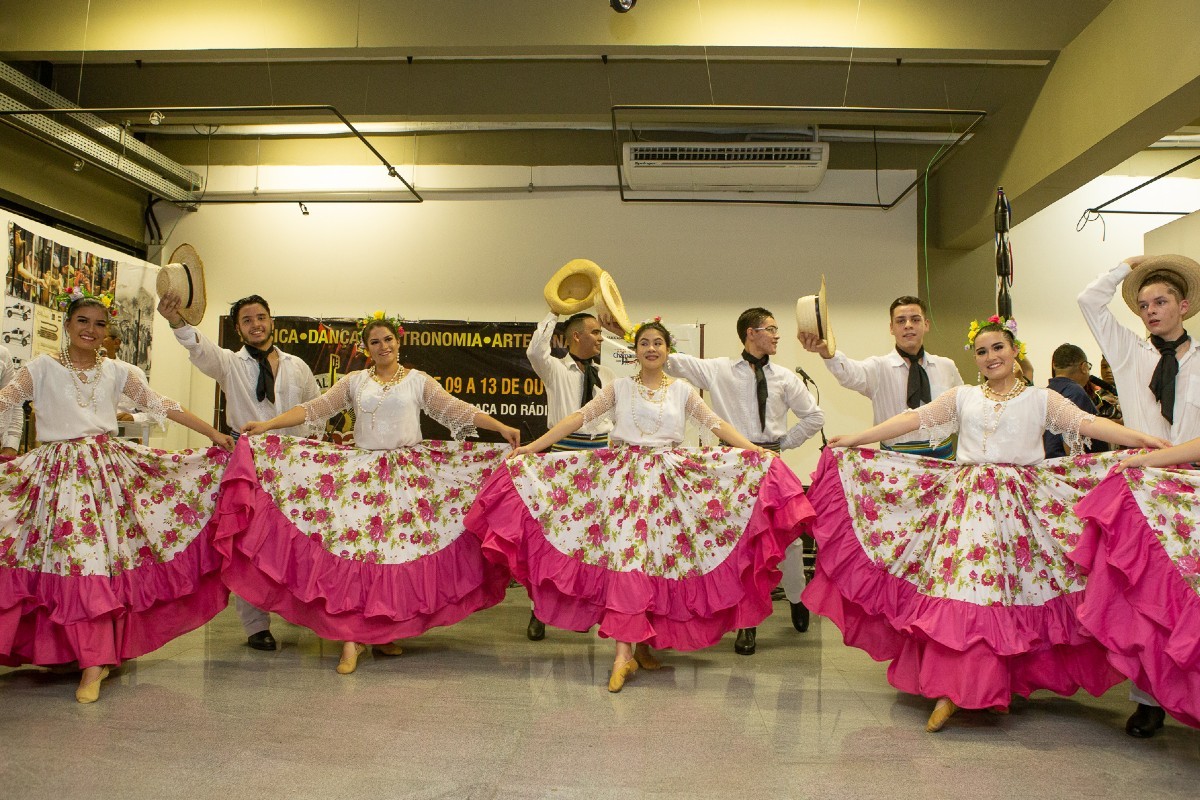
The Serviço Nacional de Aprendizagem Rural de Mato Grosso do Sul (Senar/MS) is offering a free Chamamé dance course in Campo Grande, with inscriptions open until July 31st. This program aims to teach or improve participants' Chamamé dancing skills. The course is open to individuals aged 18 and older, regardless of prior dance experience. Classes are scheduled to begin in August and will consist of 90 hours of instruction, spread across 30 in-person sessions held twice weekly, with each session lasting three hours. During the course, students will learn basic steps, advanced sequences, and focus on rhythm, posture, coordination, and bodily expression. The program also seeks to connect participants with the culture of Mato Grosso do Sul through Chamamé, a dance considered a cultural heritage of the state. Vandielly Martins, an educational assistant at Senar/MS, highlighted that the initiative helps preserve cultural heritage and regional identity, promoting coexistence, respect for traditions, and physical well-being. Upon completion of the required hours and attendance criteria, participants will receive a certificate.
This initiative by Senar/MS to offer a free Chamamé dance course highlights a strategic approach to cultural preservation and community engagement. By framing the course as a means to protect regional heritage and foster identity, the program taps into intrinsic motivations for participation. The 90-hour curriculum, structured with frequent in-person sessions, suggests a commitment to thorough instruction and skill development. From a systemic perspective, such programs can contribute to the vitality of traditional arts, potentially creating future economic opportunities through cultural tourism or performance. In an era increasingly dominated by digital interaction, investing in physical, embodied cultural practices like dance offers a valuable counterpoint, promoting social cohesion and well-being while ensuring the transmission of cultural knowledge across generations.
AI-generated to prompt reflection — not editorial opinion, not advice, not a statement of fact. How this works.