Free DNA Tests Offered for Paternity Recognition in Natal
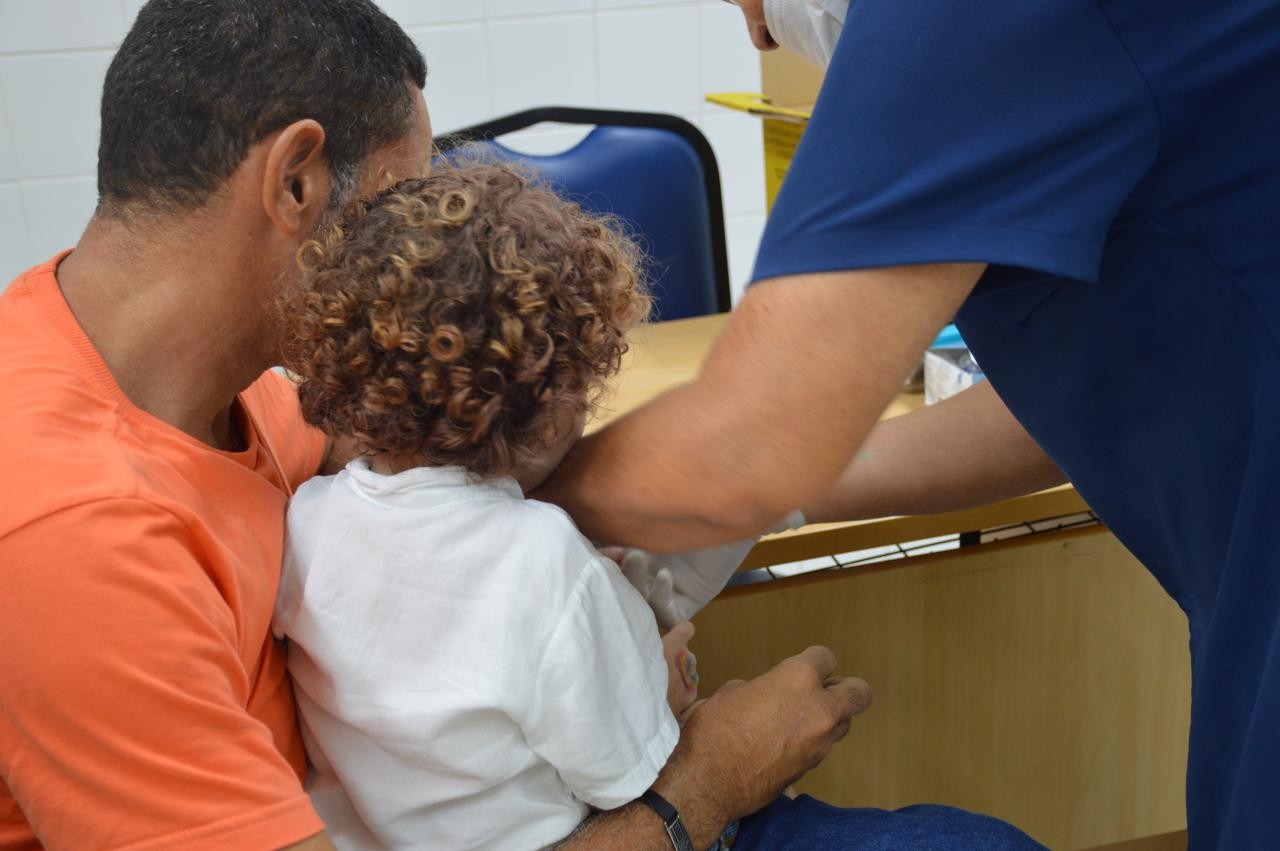
The Public Defender's Office of Rio Grande do Norte (DPERN) is hosting a special event on Saturday, August 1st, in Natal as part of the national "Meu Pai Tem Nome" (My Father Has a Name) campaign. This initiative aims to facilitate the voluntary recognition of paternity and maternity. The event will provide free DNA tests, when deemed necessary, along with services for family conciliation, mediation, and legal guidance. The "mutirão," or community outreach event, will take place from 9 AM to 4 PM at the State Institute of Professional Education, Technology, and Innovation of Rio Grande do Norte (IERN), located in the Bom Pastor neighborhood. Although pre-registration has closed, interested individuals can still attend the event directly on August 1st, provided they bring the required identification documents, CPF, and any available documents pertaining to the child or person to be recognized. This effort is coordinated by the DPERN's Extrajudicial Conflict Resolution Nucleus (NUTEC) and is part of a nationwide campaign by the National Council of Public Defenders-General (Condege), celebrated during the month of fathers. Similar events are also scheduled for August 7th in the municipalities of Parnamirim, Caicó, São José de Mipibu, Nísia Floresta, and Parelhas.
This initiative addresses a critical societal need for legal and familial recognition, leveraging public resources to facilitate paternity and maternity acknowledgments. By offering free DNA testing and legal services, the program lowers barriers for individuals seeking to establish or confirm familial ties. Such programs highlight the intersection of social welfare and legal frameworks, aiming to provide stability and identity for children and families. The campaign's success hinges on accessibility and public awareness, underscoring the importance of proactive governmental outreach. Looking ahead, the integration of such services with digital platforms could further streamline processes and expand reach, ensuring more individuals can benefit from formal recognition in an increasingly complex social landscape.
AI-generated to prompt reflection — not editorial opinion, not advice, not a statement of fact. How this works.