Free Mental Health Support Available in Belo Horizonte
Belo Horizonte is offering free and low-cost mental health services to address the growing need for psychological support due to anxiety, depression, and stress. These services are accessible through the Unified Health System (SUS), university-affiliated clinics, and social projects. The article highlights that seeking therapy is not only for those experiencing severe distress but also for personal growth and navigating life's challenges. When emotional symptoms begin to disrupt daily routines, relationships, work, or studies, professional evaluation is recommended. Signs include persistent sadness, intense anxiety, sleep disturbances, panic attacks, social isolation, and self-deprecating thoughts.
The city's Mental Health Reference Centers (CERSAM) provide free, comprehensive care including psychological and psychiatric support, therapeutic workshops, and multiprofessional services under SUS. Several CERSAM units operate 24 hours a day, with locations in Barreiro, Leste, and Oeste, offering accessibility through spontaneous demand or referrals. Additionally, university clinics like the Center for Psychology Application (CEAP) at UFMG offer affordable psychotherapy by supervised students. Other institutions such as Newton Paiva, FUMEC, UNA, and Anhanguera provide various psychological services, including individual and family therapy, career guidance, and psychological assessments, often at reduced costs or with social pricing, serving both academic communities and the general public. Social projects, like the Núcleo de Acolhida e Articulação at Paróquia Nossa Senhora da Boa Viagem, also offer free psychology and psychiatry services, accessible via appointment or WhatsApp.
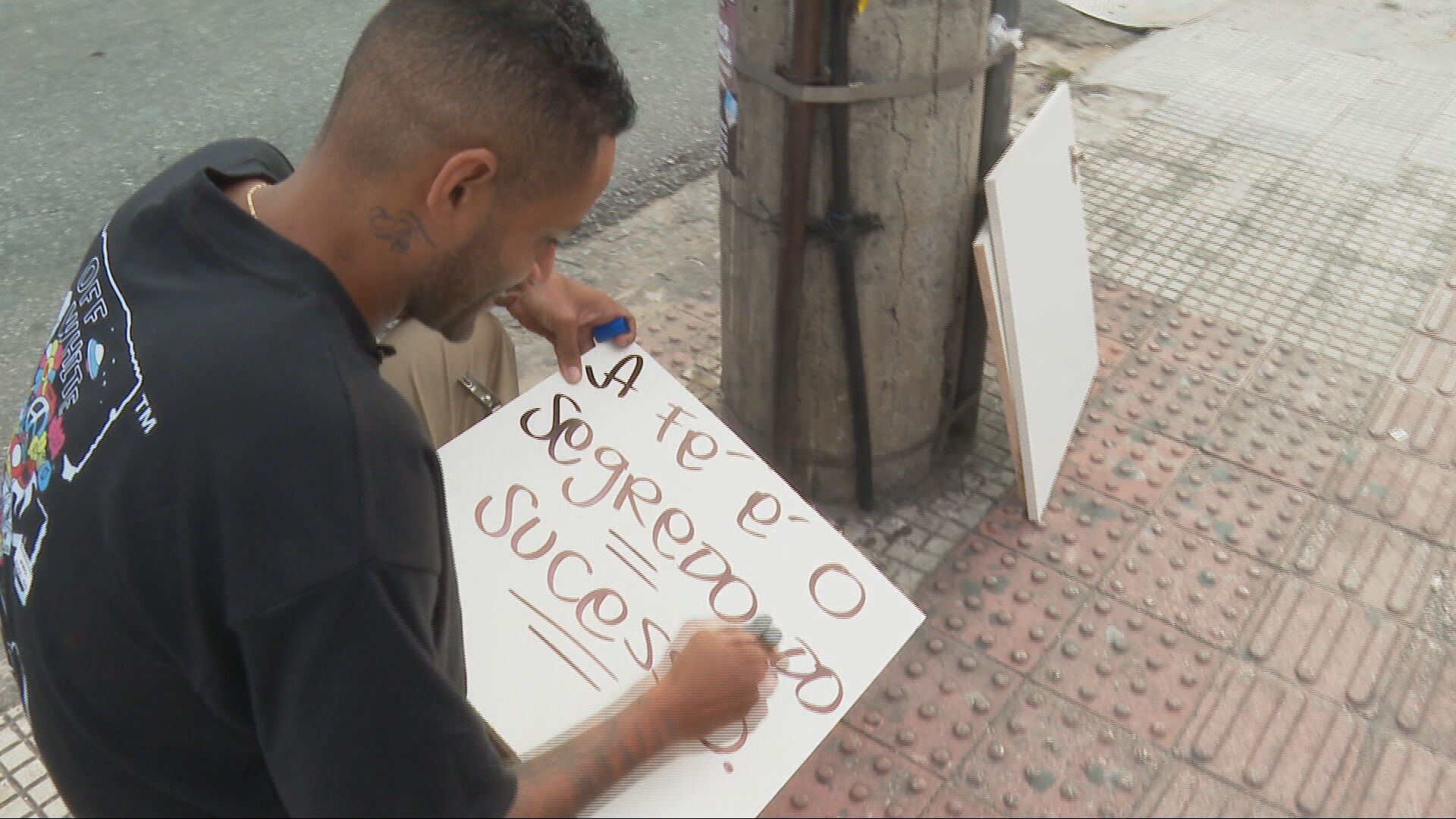
The "Rolê nas Gerais" program on Globo Minas is set to feature individuals who have transformed difficult experiences into positive actions, including Marcos, who found success on social media after overcoming the loss of his grandmother. The program will air after "Terra de Minas."
The proliferation of accessible mental health resources in Belo Horizonte reflects a growing societal recognition of psychological well-being as a public health priority. By integrating services through SUS, academic institutions, and community projects, the city demonstrates a multi-pronged approach to destigmatize mental health care and ensure broader reach. This model, leveraging educational institutions for training and service delivery, offers a sustainable framework for expanding support. Future challenges may involve ensuring consistent funding, managing demand, and adapting services to evolving mental health needs in an increasingly complex world. The emphasis on both crisis intervention and personal development suggests a forward-thinking strategy that acknowledges the spectrum of human psychological experience.
AI-generated to prompt reflection — not editorial opinion, not advice, not a statement of fact. How this works.