Free Traditional Naval Architecture Course in Bahia Offers 50 Spots with Scholarships
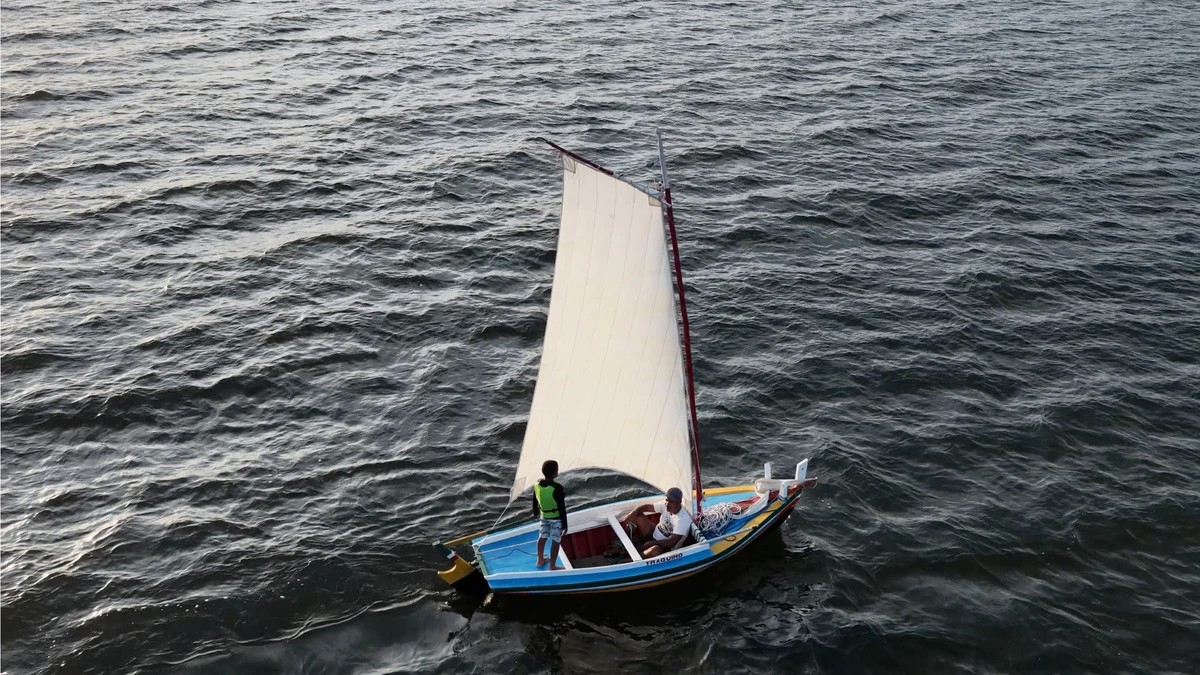
An opportunity for free training in traditional naval architecture is now open in Salvador, Bahia, with 50 available spots and a R$600 monthly scholarship for selected students. The course, promoted by Estaleiro Escola Embrião through the IÇAR project, accepts applications until July 19th. Forty-five scholarships are for general applicants, while five are reserved for monitors nominated by Master Naval Carpenters. Interested individuals must apply online for this 240-hour program, which spans 60 consecutive days with eight-hour classes held in the afternoons and evenings. Practical activities will take place at shipyards in Ribeira, Lobato, and Ilha de Maré, with theoretical lessons conducted in Ribeira. Upon completion, participants will collectively build five four-meter-long sailing skiffs. The curriculum blends traditional knowledge from Master Naval Carpenters, recognized as intangible heritage of Salvador, with contemporary naval architecture, design, and digital fabrication techniques. Applicants must be 18 or older, have completed high school, and be available for in-person classes from September 14th to October 27th, 2026, Monday through Friday. Priority is given to candidates residing near the Port of Salvador. The selection process involves a single stage where applicants submit a YouTube video detailing their connection to maritime activities, manual work experience, motivations, and expected community impact. Prior experience, clarity of responses, educational background, and affirmative action criteria, including bonus points for public school students, government program beneficiaries, and members of minority groups, will also be considered. The course is structured into four modules: Practical Construction Workshop (90 hours), Modeling, Craftsmanship, and Sailing (30 hours), Professional Vessel Design (90 hours), and Computational Modeling and Digital Fabrication (30 hours). Students achieving at least 75% attendance and a grade of 7 or higher will receive a certificate, which can be issued per module or for the full 240-hour course. The preliminary results will be announced on August 3rd, with final results on September 1st, and classes commencing on September 14th.
This initiative aims to preserve and advance traditional maritime craftsmanship by integrating it with modern design and digital fabrication. By offering free tuition and financial aid, the program seeks to democratize access to specialized skills, potentially fostering local economic development and a new generation of skilled artisans and designers. The selection process, which includes a video submission and considers community proximity and affirmative action, attempts to ensure diverse participation and relevance to local needs. Future success will likely depend on the program's ability to create clear pathways to employment or entrepreneurship for its graduates within the evolving maritime and digital industries, ensuring the long-term viability of these traditional skills in a technologically advancing world.
AI-generated to prompt reflection — not editorial opinion, not advice, not a statement of fact. How this works.