Free Walking Tour and Cinema Project Launch in Belém, Brazil
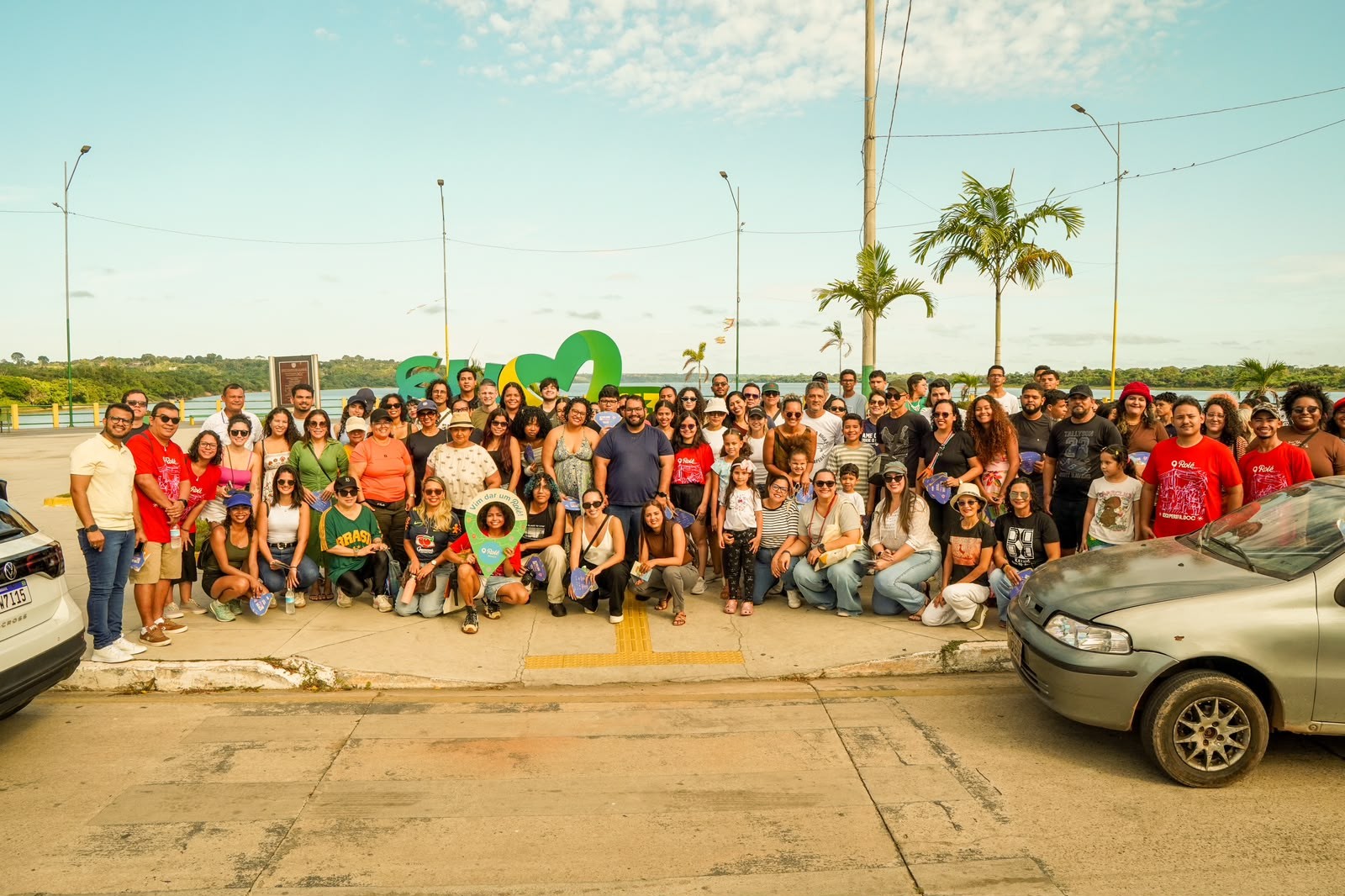
The 'Rolé por Belém' project launched on Sunday, August 2nd, with a free historical walking tour through the Center of Belém, Brazil. This guided tour, known as a walking tour, revisits four centuries of the capital's history, architecture, and memories. The event began at 8 AM at the old Tram Museum, also marking the start of the Perifa.Doc cinema project in the city. Perifa.Doc is an audiovisual training initiative for young people from peripheral areas, using urban environments as inspiration for short film production. The initiative merges Rolé Brasil, originally Rolé Carioca, with the Geo-Touristic Routes project coordinated by Dr. Maria Goretti da Costa Tavares from UFPA's Geography Faculty. Both projects have received national recognition from Iphan for their heritage education efforts. The historical and decolonial route, lasting approximately 2.5 hours, will cover nine key locations in the Historic Center, aiming to offer a decolonial perspective on Belém's 410-year history. The tour starts at the former Tram Museum, proceeds through mansions on Rua João Alfredo, sites of faith and the city's founding like Praça and Igreja das Mercês, and the Convent of Mercedarians. It continues through Frutuoso Guimarães and Campos Sales alleys to the Pará Public Archive, concluding after visits to Capela Pombo, Igreja de Santana, and the Pará Commercial Association. The historical walk serves as a practical laboratory for 20 young participants from Marabá in the Perifa.Doc program, who will use the tour's references to script and produce short films. Following the opening event, audiovisual training will continue with workshops, film clubs, and editing classes until September 17th. The films created by the youth will be screened for free in September.
The 'Rolé por Belém' initiative exemplifies a growing trend of leveraging cultural heritage and public spaces for community engagement and education. By combining historical walking tours with documentary filmmaking workshops, the project aims to foster a deeper connection between residents and their urban environment, promoting a decolonial perspective on local history. This approach not only enriches cultural understanding but also empowers young people from marginalized communities by providing them with creative tools and platforms. The integration of established heritage education methodologies with contemporary audiovisual training suggests a robust model for participatory cultural development. Future iterations could explore how such blended initiatives can contribute to sustainable urban regeneration and the preservation of intangible cultural heritage, while also addressing potential disparities in access to cultural and educational resources.
AI-generated to prompt reflection — not editorial opinion, not advice, not a statement of fact. How this works.