Freelancer ID Cards Launched in Chittagong, Future Summit Announced
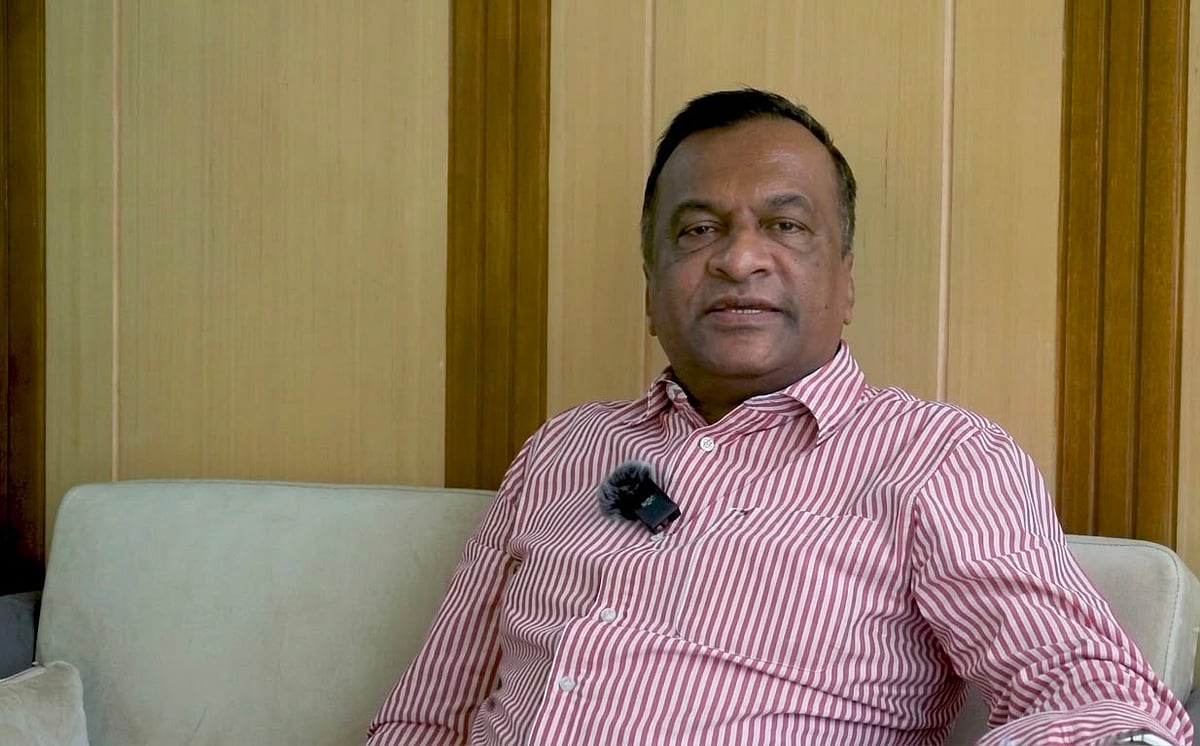
A new initiative to provide official recognition for freelancers has been launched in Chittagong, Bangladesh, with the inauguration of the Freelancer Card Registration program on June 20th at the 'BPO Summit Bangladesh 2026 (Chittagong)'. Faisal Alim, General Secretary of the Bangladesh Association of Contact Center & Outsourcing (BACCO), stated that this card will address the identity crisis faced by freelancers, offering them official and state recognition. Previously, freelancers lacked a formal identity, making it difficult to secure loans, credit cards, or even prove their profession. The new ID card aims to bridge this gap, enabling freelancers to access institutional banking facilities and present a verifiable document for passport and visa applications. This program is particularly significant for the large youth population outside Dhaka, establishing Chittagong as a hub for digital talent. The government's support, even from ministries traditionally focused on grassroots issues, highlights the widespread impact of technology. Alim emphasized that the process for obtaining the card is straightforward, requiring online applications with proof of income or a portfolio. He advised aspiring freelancers to focus on skill development and market proficiency first, stating that the card will follow as a right. Looking ahead, BACCO plans to organize a nationwide Freelancer Summit, starting in the Rajshahi division, to provide guidance, foster networking, and share knowledge among both experienced and new freelancers. This initiative is expected to boost remittance flow through legal channels, accelerate financial inclusion, and encourage more individuals to pursue freelancing as a respectable full-time profession, contributing to the vision of a digitally skilled workforce in every household.
The introduction of freelancer ID cards and the planned national summit represent a significant governmental effort to formalize and support the gig economy. This initiative addresses systemic challenges faced by freelancers, such as lack of official identity and access to financial services, by providing a tangible credential. By bridging the gap between individual digital workers and institutional frameworks like banks, the program aims to integrate freelancers more fully into the national economy. The focus on skill development and official recognition acknowledges the growing importance of the digital services sector. Future policy should consider how to ensure these credentials translate into tangible benefits and protections for freelancers, particularly in light of evolving global labor market dynamics and the increasing role of AI in service delivery.
AI-generated to prompt reflection — not editorial opinion, not advice, not a statement of fact. How this works.