French Baccalaureate Exam Pass Rate Plummets Below 50% in 1966 Amidst Reforms
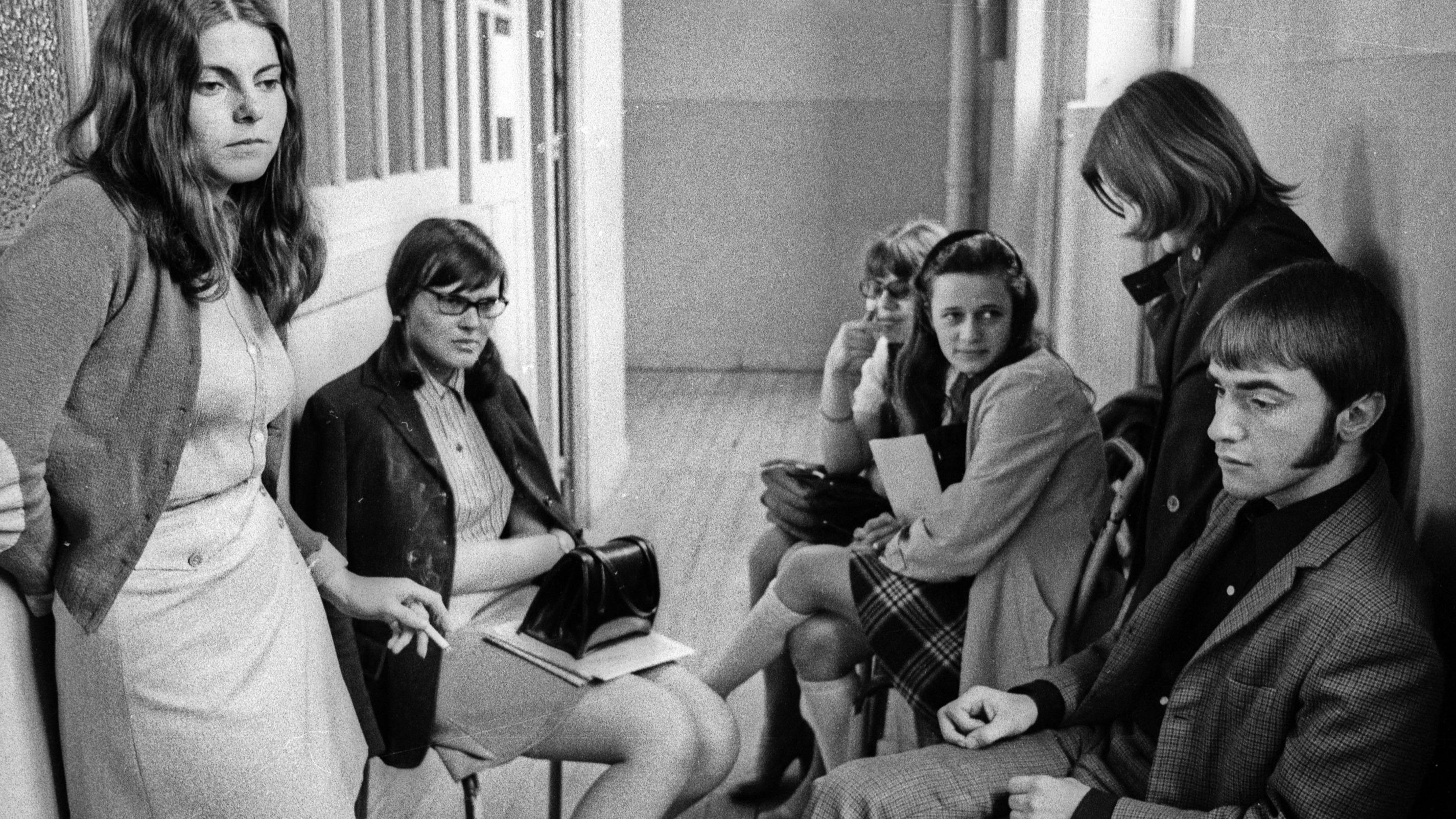
In 1966, France experienced a significant crisis concerning its Baccalaureate examination, with the national pass rate dropping below 50%. This event, occurring 60 years ago, was the subject of widespread national controversy. The reforms implemented at the time aimed to address the rapidly increasing number of candidates taking the exam. The government, under Prime Minister Georges Pompidou, made a decisive choice to maintain the selective nature of the Baccalaureate. This decision was intended to ensure the examination retained its rigor and served as a true measure of academic achievement, despite the growing pressure from a larger applicant pool. The historical archives of Le Figaro document this period of intense debate and the government's firm stance on the examination's selectivity.
The 1966 Baccalaureate reform in France highlights a recurring tension between expanding access to higher education and maintaining academic standards. The Pompidou government's decision to prioritize selectivity over broader access, resulting in a pass rate below 50%, reflects a policy choice prioritizing perceived meritocracy and institutional prestige. This approach contrasts with modern educational philosophies that often emphasize inclusivity and support systems to increase completion rates. Looking ahead, educational systems globally face the challenge of balancing equitable opportunity with the need for rigorous evaluation, particularly as AI-driven assessment tools become more prevalent. The long-term implications of such policy decisions on social mobility and the perceived value of qualifications warrant continued examination.
AI-generated to prompt reflection — not editorial opinion, not advice, not a statement of fact. How this works.