French Beekeepers Outraged Over Reinstatement of Pesticide Ban
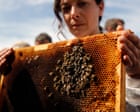
French beekeepers and environmentalists are expressing strong disapproval following parliamentary approval to reauthorize two neonicotinoid pesticides that were previously banned. These pesticides are known to be toxic to bees. Carolyn Bouguet, a beekeeper from Essonne, voiced her deep frustration, stating that bee populations are already under severe pressure from climate change, emerging parasites, and habitat loss. The decision to lift the ban is seen as a significant setback for bee health and agricultural sustainability. Beekeepers argue that the reintroduction of these chemicals will directly harm bee populations, leading to reduced pollination and subsequent lower crop yields. They believe this move is counterproductive, especially given the existing challenges faced by apiculture. The union representing beekeepers has condemned the decision as "scandalous, irrational and irresponsible." This policy shift comes at a time when concerns about biodiversity and the crucial role of pollinators in the ecosystem are growing globally. The reauthorization is reportedly intended to help combat a disease that is damaging crops, but critics argue the long-term ecological costs outweigh the short-term agricultural benefits.
The French parliament's decision to reauthorize neonicotinoid pesticides, despite scientific evidence of their harm to bees, highlights a complex tension between agricultural productivity and environmental protection. This move appears to prioritize immediate crop protection against disease over the long-term health of vital pollinator populations. The resulting conflict between beekeepers and policymakers suggests a potential systemic disconnect in valuing ecological services. Looking ahead, the sustainability of such decisions will be increasingly scrutinized as the interconnectedness of biodiversity, food security, and climate resilience becomes more apparent. Future policy frameworks may need to integrate more robust, long-term ecological impact assessments to balance immediate economic pressures with the preservation of essential natural systems.
AI-generated to prompt reflection — not editorial opinion, not advice, not a statement of fact. How this works.