French Cinema's Favorite Punchline: Money and the Rich
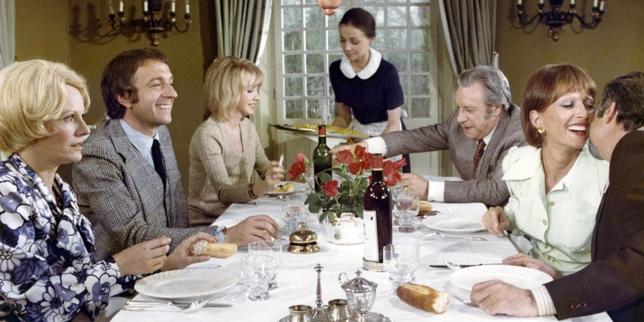
French cinema frequently uses humor to portray the wealthy, often choosing money as a central theme for comedic effect. This approach aims to demystify powerful individuals by depicting them in humbled, lost, or ridiculous situations. By reversing traditional power dynamics, the seventh art offers a reassuring affirmation of the universal human condition. This comedic lens allows audiences to engage with themes of wealth and power in a less intimidating manner. The portrayal of the rich as subjects of laughter serves to equalize them with the audience, highlighting shared human vulnerabilities. This cinematic strategy reflects a cultural tendency to use satire to comment on societal hierarchies and economic disparities. The films often explore the idea that wealth does not shield individuals from everyday struggles or emotional complexities. Ultimately, this recurring motif in French cinema suggests a desire to find common ground and shared humanity across different socioeconomic strata.
French cinema's recurring use of humor to depict the wealthy and themes of money can be understood as a cultural mechanism for processing societal anxieties around wealth and power. By satirizing the rich, filmmakers may be engaging in a form of social commentary that seeks to rebalance perceived power imbalances and reinforce a sense of shared humanity. This approach, while potentially cathartic for audiences, also raises questions about whether it effectively challenges or merely reinforces existing social structures. The strategy of 'desacralizing the powerful' through comedy could be seen as a way to manage the influence of economic elites without directly confronting systemic issues. Over the next decade, as economic disparities continue to be a significant global concern, the effectiveness and implications of such cultural representations will likely remain a subject of ongoing discussion and evolution.
AI-generated to prompt reflection — not editorial opinion, not advice, not a statement of fact. How this works.