French Civil Servant Salaries: A Persistent Point of Contention Under Macron
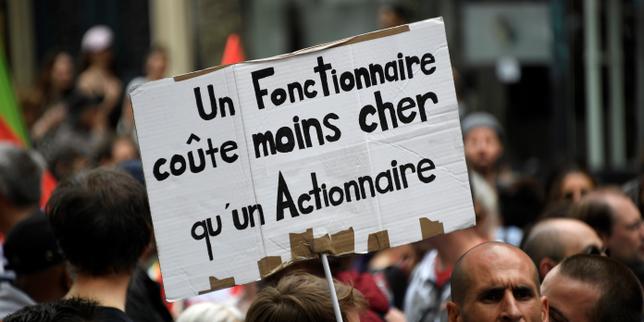
A "salary meeting" is scheduled for Wednesday, July 8th, amidst a severely constrained budget that offers little hope for a general pay increase for French civil servants. Trade unions have deemed any postponement of this meeting "unacceptable," highlighting ongoing tensions with the executive branch that have persisted since 2017. The issue of civil servant salaries has become a focal point for discontent throughout Emmanuel Macron's presidency. This meeting occurs at a time when the government faces significant fiscal challenges, limiting its capacity for substantial wage adjustments. Unions are pushing for a resolution, viewing any delay as a sign of disrespect and a failure to address their long-standing concerns. The situation reflects a broader pattern of strained relations between public sector unions and the current administration regarding compensation and working conditions.
The recurring tension over French civil servant salaries, particularly since 2017, illustrates a fundamental challenge in public sector compensation management. In a constrained fiscal environment, balancing the need for public sector wage adjustments with budgetary realities and broader economic pressures is a complex governance task. The unions' stance on the "salary meeting" suggests a strategic imperative to maintain pressure on the executive, framing any delay as a rejection of their demands. Looking ahead, the sustainability of public services may depend on innovative approaches to compensation that go beyond simple annual increases, potentially incorporating performance metrics, skill development incentives, or alternative benefits, while ensuring fairness and retention within the civil service.
AI-generated to prompt reflection — not editorial opinion, not advice, not a statement of fact. How this works.