French Coastal Enclave Evacuated Due to Wildfires; Some Residents Defy Orders
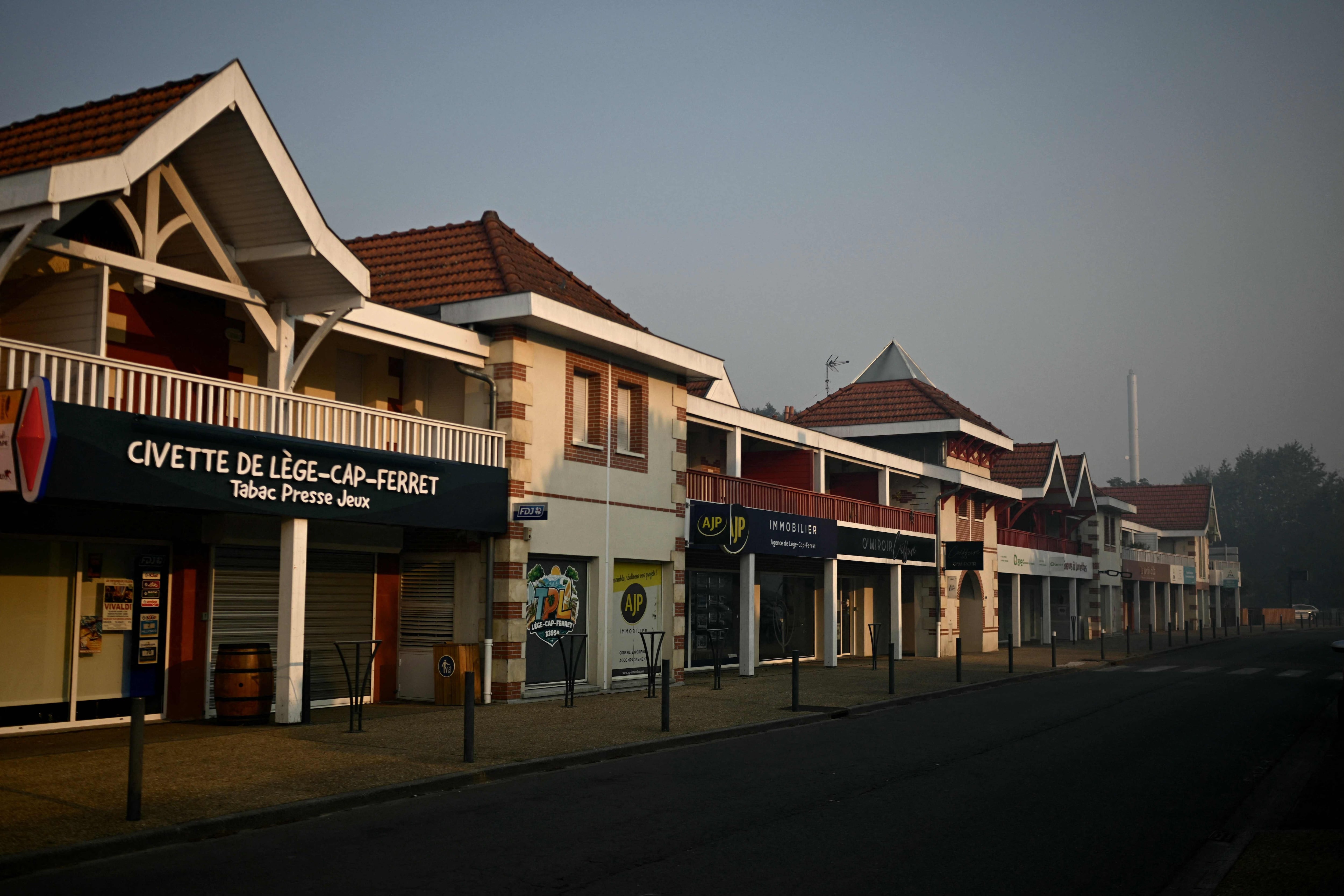
Wildfires have ravaged 42,000 hectares in France, prompting the evacuation of an exclusive enclave in Cap-Ferret. Despite official orders to leave, a group of residents has chosen to remain. Among them, a local businessman is spearheading the construction of a firebreak on the peninsula. This action is being taken in defiance of the authorities' directives, highlighting a conflict between resident safety concerns and official evacuation protocols. The fires continue to spread, posing a significant threat to the region. The situation underscores the challenges faced by emergency services in managing large-scale evacuations during severe wildfire events. The decision of some residents to stay behind raises questions about individual risk assessment and community resilience in the face of environmental disasters.
The situation in Cap-Ferret illustrates the tension between individual autonomy and collective safety during environmental crises. While authorities prioritize orderly evacuation to manage risks and allocate resources efficiently, some residents may perceive localized actions, like building firebreaks, as more effective for protecting their immediate property. This divergence in approach reflects differing risk tolerances and trust in official directives. Future disaster management strategies might need to incorporate more flexible protocols that acknowledge and potentially integrate community-led initiatives, provided they demonstrably align with overall safety objectives and do not impede broader emergency efforts. The long-term implications involve balancing property rights with public safety imperatives, especially as climate change increases the frequency and intensity of such events.
AI-generated to prompt reflection — not editorial opinion, not advice, not a statement of fact. How this works.