French cyclist Océane Mahé reveals three-year absence of menstruation due to weight loss
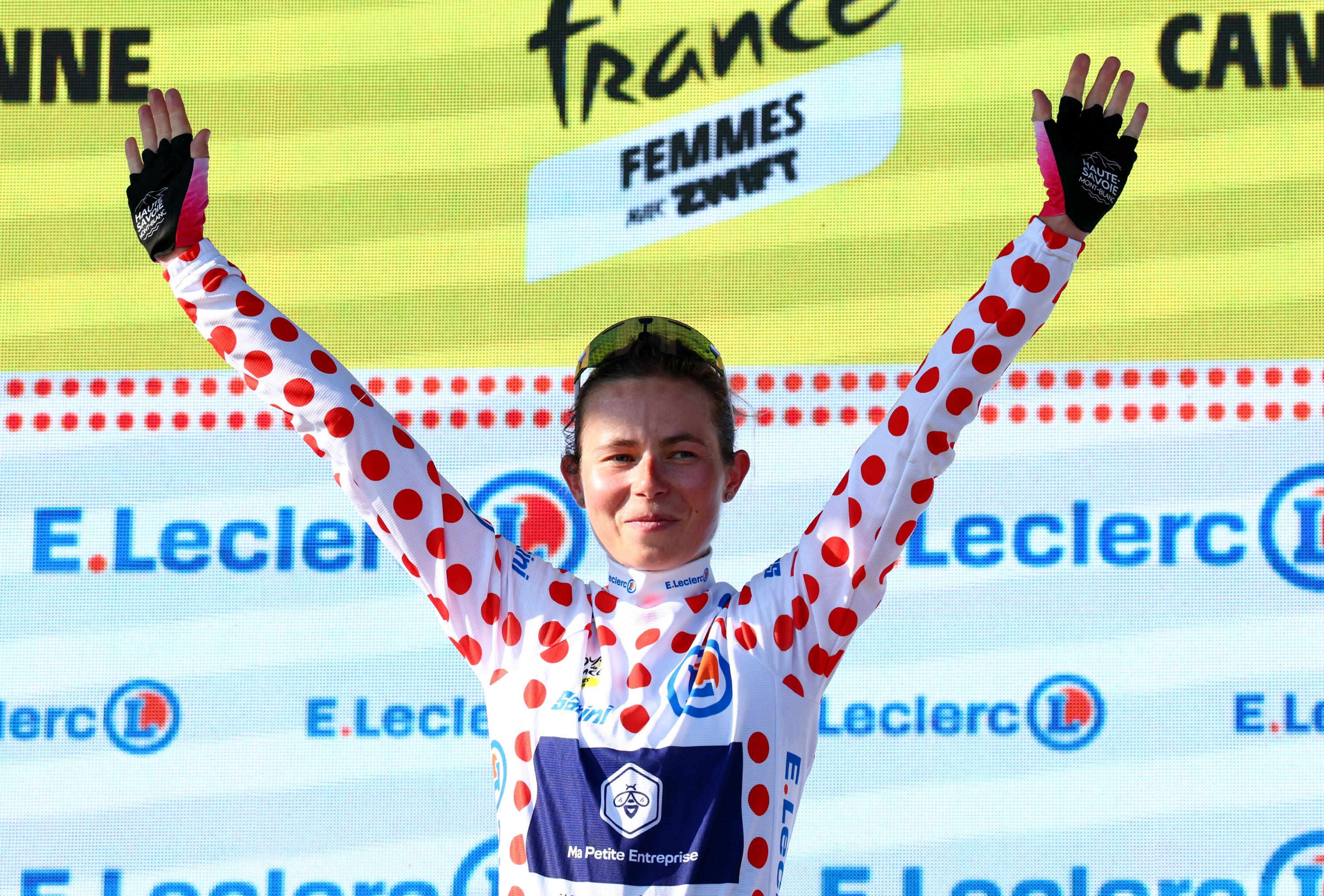
Océane Mahé, a 24-year-old French cyclist, has revealed that she has not had her period for three years. This hormonal imbalance is a consequence of significant weight loss, a situation unfortunately common in high-level cycling. The revelation highlights a serious health concern within the sport. Mahé's experience underscores the extreme physical demands placed on elite athletes. The pressure to maintain a low body weight can lead to severe physiological consequences. This issue is not unique to Mahé but is reportedly widespread among professional cyclists. Her openness aims to bring attention to these often-hidden health struggles. The condition, amenorrhea, can have long-term health implications if not addressed. It is crucial for athletes and sports organizations to prioritize long-term health over performance metrics that may be detrimental.
The case of Océane Mahé brings to light the critical intersection of extreme athletic performance and women's health within professional cycling. The prolonged absence of menstruation, a condition known as amenorrhea, is a significant physiological stress indicator, often linked to insufficient energy availability and hormonal disruption. This situation suggests a potential systemic issue within high-level cycling, where the pursuit of marginal gains in performance may inadvertently compromise the fundamental well-being of athletes. Future considerations for the sport should involve a more holistic approach to athlete management, integrating robust nutritional and hormonal monitoring protocols. This would ensure that performance goals do not override the essential health requirements for sustained athletic careers and overall quality of life, fostering a more sustainable and health-conscious environment for all competitors.
AI-generated to prompt reflection — not editorial opinion, not advice, not a statement of fact. How this works.